How to Choose the Right Diamond Core Bits for Your Drilling Needs?
Selecting the right diamond core bits can significantly impact your drilling success. These tools are essential for construction, mining, and geological exploration. The right choice ensures efficiency and accuracy in drilling operations.
When considering diamond core bits, understand the material you'll be drilling. Different bits serve various purposes. For instance, softer stones require different bits than harder materials. This affects not just performance but also the lifespan of the tool. You might find yourself needing to replace bits often if mismatched.
Experience plays a crucial role here. Relying solely on price or brand can be misleading. The specifics of your project matter most. Are you drilling deep holes or shallow ones? The type of core bit should reflect your specific needs, ensuring reliable results each time. Make informed choices to enhance your drilling outcomes.
Understanding the Basics of Diamond Core Bits and Their Uses
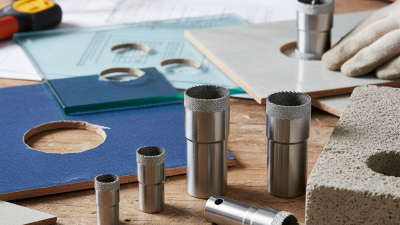
Diamond core bits are essential tools for various drilling applications. They utilize diamond particles embedded in a metal matrix. This composition allows for cutting through hard materials, such as concrete, stone, and asphalt.
According to industry reports, the diamond segment of the core drilling market is expected to grow at a CAGR of about 5.6% from 2020 to 2025. This growth indicates increasing demand for durable and efficient drilling solutions.
Understanding the right type of diamond core bit is crucial. Bits come in various configurations, such as wet or dry types. Wet diamond core bits are ideal for cooling the drill bit and reducing dust. On the other hand, dry bits are designed for faster drilling in specific applications.
A study by the Construction Industry Institute found that proper bit selection can enhance drilling efficiency by up to 40%. However, improper choices can lead to diminished performance and increased costs.
Not every project requires the same core bit. The geological conditions can vary significantly. Factors like material hardness and thickness play vital roles in determining the right bit. Many contractors often overlook these variables, leading to unexpected challenges.
It is essential to assess each project individually and choose accordingly. Making informed decisions can prevent costly errors and improve overall project timelines. Proper education on core bits can result in substantial savings and efficiency gains.
Factors to Consider When Selecting Diamond Core Bits
When selecting diamond core bits, several critical factors must be considered. The type of material you will be drilling is paramount. For instance, harder materials like granite require more robust bits. Research shows that 75% of drilling failures are linked to improper bit selection. This statistic emphasizes the importance of matching the bit to the material to achieve optimal performance.
Additionally, the diameter of the core bit is essential. A larger diameter allows for more extensive sampling but may not be suitable for narrower holes. The bit's bond type plays a crucial role in its longevity and efficiency. According to industry reports, bits with softer bonds work better on harder rock formations, while those with harder bonds excel in softer materials.
Don't overlook the cooling method. Many professionals recommend water-cooled bits for extended use, ensuring longevity and preventing overheating. It's worth noting that employing the wrong cooling method can reduce the effectiveness of your bit, costing time and resources. Reflecting on past projects may reveal patterns that guide future selections and improve outcomes.
Diamond Core Bits Selection - Performance Comparison
Types of Diamond Core Bits for Different Materials
When selecting diamond core bits, understanding the types available is crucial. Different materials require specific bits to achieve optimal results. For instance, standard diamond bits excel with softer materials such as concrete and brick. These bits often feature a segmented design, allowing for effective cooling during drilling.
For harder materials, such as granite or reinforced concrete, diamond core bits with a continuous rim are indispensable. They provide a smoother cut and reduce the risk of chipping. Additionally, look for bits with higher diamond concentration. This ensures better durability and longevity during extensive use.
Selecting the right bit is not always straightforward. It may involve trial and error. Balancing quality and cost can lead to tough decisions. A thorough comparison of different materials and bit types helps in making an informed choice. This process may uncover unexpected challenges in drilling efficiency or speed. Therefore, understanding your specific needs before purchasing is essential.
Evaluating Quality and Performance of Diamond Core Bits
When selecting diamond core bits, evaluating their quality and performance is crucial.
Look for bits made from high-quality diamond segments. These segments should provide durability and efficient drilling. Not every diamond bit is created equal.
Understanding their composition can help you make informed choices.
Test the bits on different materials. Some perform poorly on harder surfaces. This can lead to frustration and increased costs. Check for user reviews and experiences on various platforms. Feedback often reveals practical insights that specifications can't provide.
Consider the bit’s design too. A well-designed bit can enhance drilling speed and efficiency. However, some designs might not withstand heavy use. Analyze how long each bit lasts under typical conditions. It's essential to weigh performance against your specific needs for the best outcome.
Tips for Maintaining and Extending the Lifespan of Core Bits
When it comes to drilling, maintaining core bits properly is crucial. Core bits have a limited lifespan, and regular care can help extend their efficiency. Industry reports indicate that improper usage can reduce a bit's life by up to 50%. Therefore, understanding best practices for maintenance is essential.
To maintain core bits, start by cleaning them thoroughly after each use. This prevents build-up that can hinder performance. Additionally, consider the drilling environment. Hard materials can wear bits down faster. Using water or coolant when drilling can help reduce heat generation and prolong the life of your bits. Always store bits in a dry place to avoid rusting.
Another vital tip is to inspect bits regularly. Look for any signs of wear or damage. A worn bit can lead to increased friction and poor drilling performance. If possible, mark the bit’s usage to help track its lifespan. Regularly replace worn bits to ensure optimal performance in your projects. Remember, careful handling during operation can also mitigate damage and enhance efficiency.