10 Best Saw Tools for Every DIY Enthusiast and Professional需要吗?
The world of saw tools is vast and varied. According to a report by the American Tool Manufacturers Association, the industry is projected to grow significantly in the next few years, underlining the importance of having the right tools for both DIY enthusiasts and professionals alike. "Having the right saw tool can make or break a project," says John Mercer, a leading expert in woodworking tools.
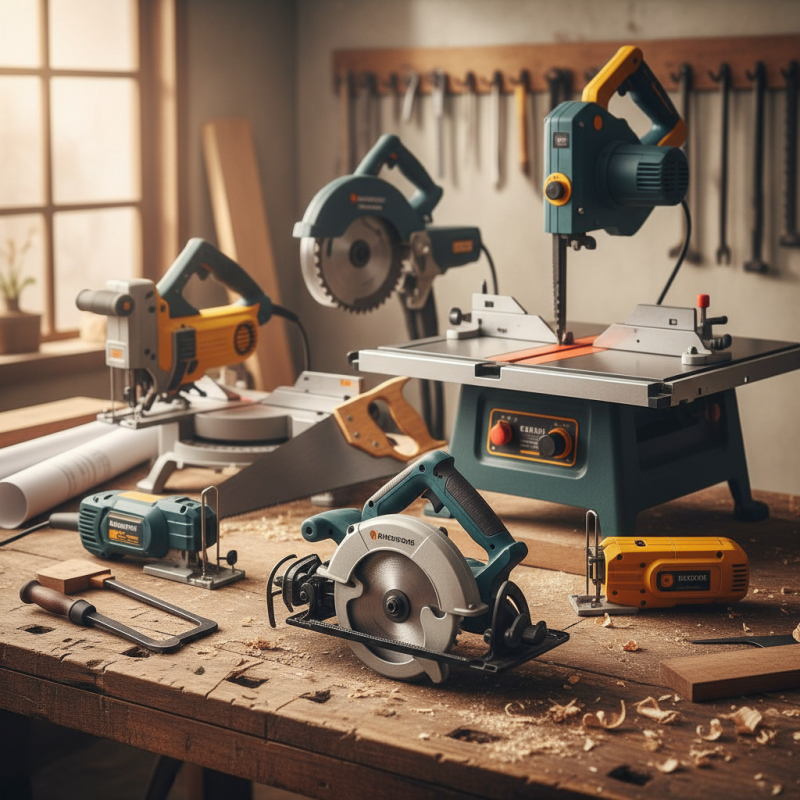
For enthusiasts, the right saw tool can elevate creativity. Power saws, hand saws, and specialized types are available. Each serves a unique purpose, catering to specific needs in woodworking, metalworking, and construction. Identifying the best saw tools can feel overwhelming. It's essential to reflect on personal usage and project requirements before making a selection.
Even professionals occasionally struggle with tool choices. The quality of saw tools directly impacts both performance and safety. Thus, making informed decisions is crucial. What may work for one project might not suit another. Expertise and attention to detail are key here, leading to better outcomes and fulfilling craftsmanship.
Essential Saw Tool Types for Various DIY Projects
When embarking on DIY projects, selecting the right saw tools is crucial. Different types of saws cater to various needs, ensuring precision and efficiency. According to industry reports, over 70% of DIY enthusiasts face challenges due to mismatched tools. Understanding the specific functions of each saw type helps mitigate these common pitfalls.
Handsaws are versatile for small jobs. They're easy to control and don’t require power. However, they can be challenging for larger tasks, often needing extra effort. On the other hand, power saws, such as circular saws and jigsaws, can tackle sizable projects efficiently. Data indicates that using power tools can reduce project time by up to 50%. Yet, improper use can lead to safety hazards, such as kickbacks or blade misalignment.
Miter saws excel in creating precise angles. This is essential for framing or trim work. Still, their bulkiness can limit maneuverability in smaller spaces. Table saws provide stability for larger sheets of material. However, their setup time can deter casual users. It's vital for users to reflect on their specific needs and experience level before investing in saw tools to maximize their effectiveness.
Top 10 Saw Tool Types for DIY Projects
Key Features to Look for in Quality Saw Tools
Choosing the right saw tools is essential for both DIY enthusiasts and professionals. When evaluating saw tools, key features should guide your selection. Blade material is one such factor; high-quality steel blades provide durability. A recent industry report from the National Association of Home Builders indicates that tools made from high-speed steel last 30% longer than standard steel options. Investing in durable materials leads to fewer replacements over time.
Ergonomics matter as well. A comfortable grip can significantly impact performance. According to studies, ergonomic handles can reduce strain by up to 40%. This reduces fatigue and enhances precision during extended use. The weight of the saw is another consideration. Lighter saws are easier to maneuver, but they may sacrifice power. Finding the right balance is crucial.
Adjustability can be a game-changer. Features like adjustable cutting depths add versatility. Not all saws offer this flexibility, highlighting the need for careful selection. Many users often overlook the importance of proper maintenance, leading to performance degradation. Regular maintenance not only extends tool life but also ensures safety. Investing time in understanding these key aspects can elevate your woodworking projects' success.
Maintenance and Care for Longevity of Saw Tools
Taking care of your saw tools is essential for both DIY enthusiasts and professionals. Proper maintenance not only prolongs the life of your tools but also ensures they operate safely and efficiently. Regular cleaning after each use can prevent dirt and debris buildup. This will keep the blade sharp and functional.
**Tips:** Always wipe the blade with a dry cloth after use. This removes sap and dust. Inspect the blade for any signs of wear. If you notice any damage, replace it immediately to avoid accidents. Storing your tools in a dry environment can prevent rust and deterioration over time.
Beyond cleaning, lubrication is key. Apply oil to moving parts, like hinges and pivots, to keep them operating smoothly. This simple step reduces friction and wear, enhancing performance. However, avoid over-lubricating, as excess can attract dust and grime, leading to more problems. Understanding your tools’ needs will help you make the right maintenance choices. Sometimes, we overlook small details, but these can significantly impact your tools' longevity and efficiency.
10 Best Saw Tools for Every DIY Enthusiast and Professional
| Tool Name |
Type |
Best Use |
Care & Maintenance |
| Circular Saw |
Power Tool |
Cutting Wood and Panels |
Keep blades sharp; clean saw after use. |
| Jigsaw |
Power Tool |
Curved Cuts |
Change blades regularly; lubricate moving parts. |
| Table Saw |
Power Tool |
Precision Cuts |
Align fence; clean dust regularly. |
| Reciprocating Saw |
Power Tool |
Demolition Work |
Check blade tightness; clean after use. |
| Scroll Saw |
Power Tool |
Intricate Designs |
Replace blades as needed; keep clean. |
| Miter Saw |
Power Tool |
Angled Cuts |
Keep blade sharp; adjust settings often. |
| Band Saw |
Power Tool |
Curved and Straight Cuts |
Ensure blade tension is correct; clean regularly. |
| Hand Saw |
Manual Tool |
General Purpose Cutting |
Keep blade cleaned; store in dry area. |
| Pruning Saw |
Manual Tool |
Trimming Trees and Shrubs |
Sharpen blades after multiple uses; clean dirt off. |
| Tile Saw |
Power Tool |
Cutting Tiles |
Keep water reservoir full; replace blade if dull. |
Comparative Analysis of Handheld vs. Power Saw Tools
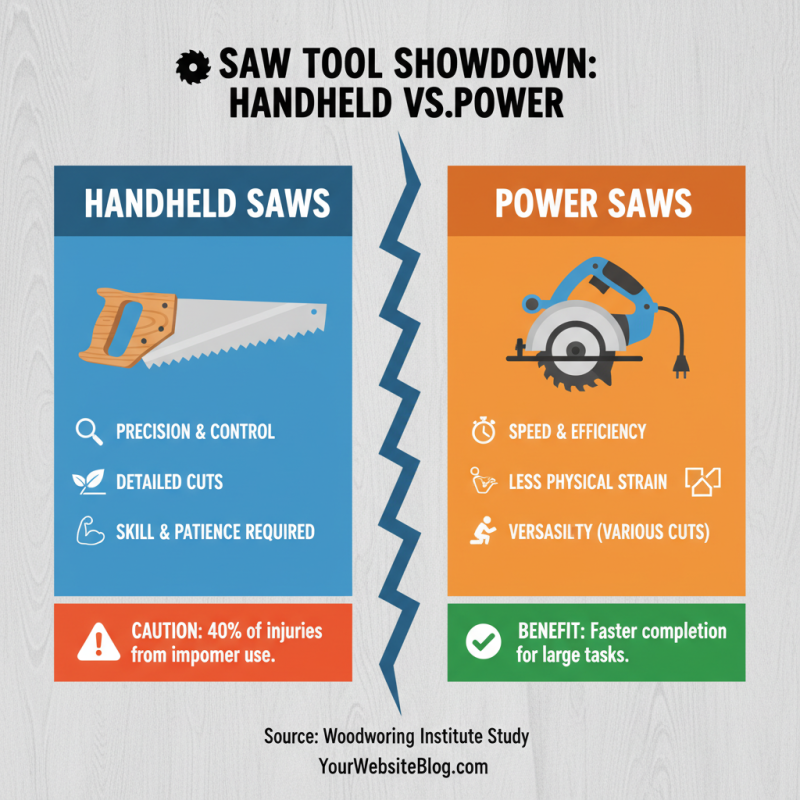
The choice between handheld and power saw tools can significantly impact your DIY projects. Handheld saws, like the traditional hand saw, demand skill and patience. They offer precise control and are excellent for detailed cuts. However, they can be physically demanding. A study by the Woodworking Institute noted that 40% of injuries in woodworking stem from improper use of handheld tools.
On the other hand, power saws, such as circular or miter saws, provide speed and efficiency. They can complete tasks quicker, reducing the risk of fatigue. According to the National Association of Home Builders, about 55% of DIY enthusiasts prefer power tools for larger projects. Yet, reliance on power saws can lead to a loss of craftsmanship and may require a learning curve for safe operation.
Both types have their merits and drawbacks. Handheld tools inspire a connection with the craft but require more effort. Power saws offer convenience but may encourage hasty mistakes. The balance between accuracy and speed can challenge any user. It's essential to evaluate your project needs and skills before choosing your tools. Reflecting on personal capabilities can lead to better results.