What is a Diamond Hole Saw and How to Choose One?
When tackling tough materials like tile, glass, or masonry, a Diamond Hole Saw becomes essential. This specialized tool features a diamond-encrusted edge that allows it to cut through hard surfaces with precision. Many DIY enthusiasts and professionals alike find it invaluable for creating clean holes in various materials.
Choosing the right Diamond Hole Saw can be challenging. Factors such as size, design, and intended use must all be considered. Quality often varies significantly between brands, making it crucial to choose a reputable manufacturer. An effective diamond saw not only enhances efficiency but also ensures safety during cutting.
However, not every project will go smoothly. User experience can vary based on skill level and techniques. Mistakes can be made, leading to frustration. It’s important to learn from these experiences to improve future cuts. Selecting the right tool and understanding its limitations is vital for achieving the best results.
Understanding the Basics of Diamond Hole Saws
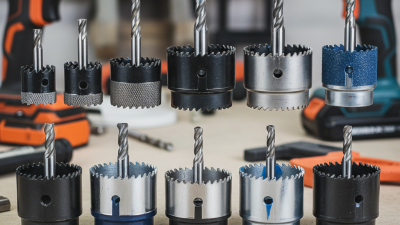
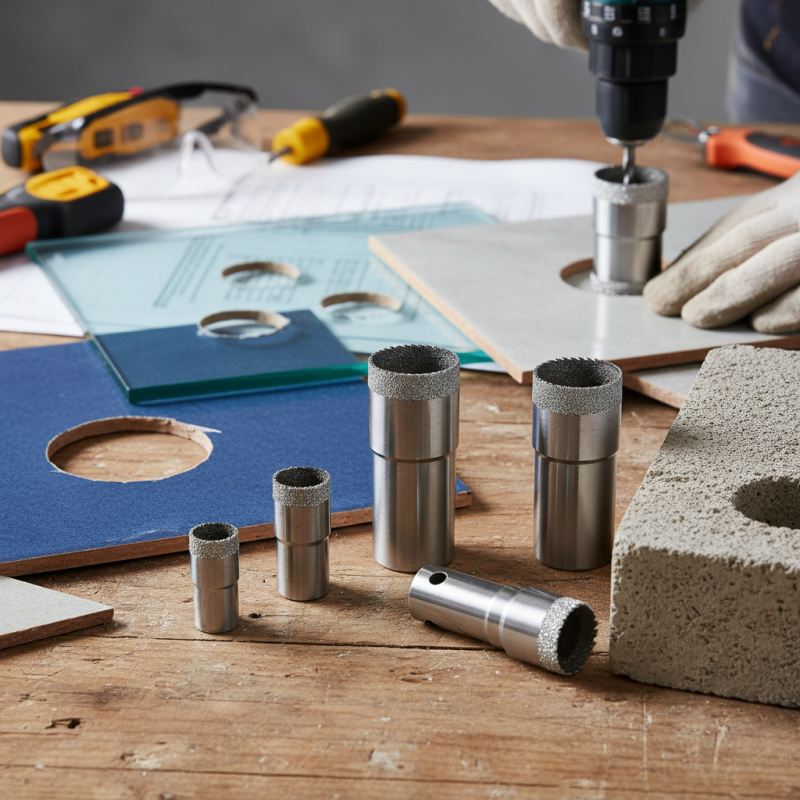
Diamond hole saws are specialized tools designed for cutting precise holes in hard materials. These saws feature diamond segments that provide exceptional durability and cutting performance. Understanding the basics helps users select the right tool for their projects. They come in various sizes and designs, suited for different applications, such as tile, glass, or stone.
When choosing a diamond hole saw, consider the material you will be cutting. Hole saws for ceramic tiles differ from those used for glass, as each material requires specific diamond grits and designs. It's crucial to assess the size of the hole needed and ensure that the saw matches the drill's compatibility. Remember, not all hole saws are created equal; some cut better than others in specific applications.
Tips: Always wear safety gear while using a diamond hole saw. This includes goggles, gloves, and masks. Start at a low speed to avoid overheating the diamond segments. Experiment with different cutting techniques to find what works best for you. Don’t rush the process; take your time for better results.
Types of Diamond Hole Saws and Their Applications
Diamond hole saws come in various types, each suited for specific materials and applications. There are general-purpose diamond hole saws designed for ceramic tiles, glass, and other hard materials. These saws feature a diamond-coated edge, allowing for precision cutting. They are widely used by contractors and DIY enthusiasts alike.
For more specialized tasks, there are segmented diamond hole saws. These saws are effective for cutting through concrete and masonry. Their segments enable better cooling during operation. Users might find they require more technique to handle, as uneven pressure can lead to chipping. Lastly, core-drilling diamond hole saws are available for deep hole applications. They can remove larger sections of material, often used in plumbing or electrical work.
Selecting a diamond hole saw involves understanding the project requirements. Always consider the material you will cut and the depth needed. It’s essential to choose the right type, as mismatches can lead to poor performance. Some users realize this only after the fact, resulting in wasted time and resources.
Factors to Consider When Choosing a Diamond Hole Saw
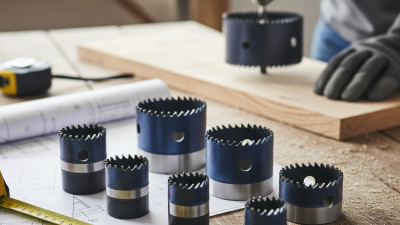
When choosing a diamond hole saw, several factors come into play. The size of the hole saw is crucial. It needs to match the diameter desired for your project. A poorly sized hole saw can lead to frustration and subpar results. Choose a size that suits your specific application, whether for tiles, glass, or other materials.
Material compatibility is another important factor. Not all diamond hole saws work well with every surface. For example, softer materials may require different saws than harder ones. Researching compatibility can save time and improve efficiency. It's wise to consult guidelines or expert opinions when in doubt.
Tips for effective use involve maintaining proper speed and pressure. Too much pressure can damage both the material and the saw. A steady hand allows for better control. Additionally, using water as a coolant can enhance the lifespan of the hole saw and improve performance. Keep an eye on wear indicators to know when it’s time to replace. Trust your instincts when assessing the right tools for the task ahead.
How to Properly Use a Diamond Hole Saw for Best Results
Using a diamond hole saw can open up many possibilities for DIY projects. To achieve the best results, attention to detail is crucial. Start by selecting the right size of hole saw for your task. Measure twice before cutting to ensure accuracy. Align the saw with your marked point, maintaining a steady grip throughout the process. A drill press may provide additional stability for larger projects.
Tips: Use water for cooling and lubrication. This reduces heat and prolongs the life of the saw. Always check the material compatibility. Some materials may crack or chip easily, so extra caution is recommended.
For best performance, start at a slow speed. Gradually increase the speed as you make progress. Avoid applying excessive pressure; let the tool do the work. Taking breaks can also help prevent overheating. Ensure your workspace is clean and clutter-free to avoid accidents and distractions.
Remember, practice makes perfect. If your first attempt doesn’t yield ideal results, don’t be discouraged. Adjust your technique or explore different saw sizes. Each project is a learning experience that can refine your skills.
Diamond Hole Saw Performance Comparison
This bar chart illustrates the cutting speed of different sizes of diamond hole saws measured in millimeters per minute. As the size increases, the cutting speed varies, providing insight into the efficiency of each size for various applications.
Maintenance Tips for Extending the Life of Your Diamond Hole Saw
Maintaining a diamond hole saw is essential for its longevity. Regular cleaning after use can make a significant difference. Remove any debris or dust that accumulates on the saw. This simple task prevents blockages and promotes better performance in future cuts.
Inspect the diamond segments regularly. If they show signs of excessive wear, it may be time to replace the saw. Paying attention to the wear patterns can extend its life. Moreover, ensure you use the right spindle speed while cutting. Incorrect speeds can lead to overheating, damaging the diamond coating.
Using water as a coolant is beneficial. It reduces heat buildup, ensuring smoother cuts. However, be cautious. Using too much water may create a mess or lead to instability during cutting. Regularly check for straightness of the hole saw. Misalignment can result in uneven holes and frustration. These small adjustments can reflect on your overall cutting experience.