Best 10 Hole Saw Blades for Efficient Cutting in 2026?
In 2026, selecting the right hole saw blades can make a significant difference in cutting efficiency. Many craftsmen and DIY enthusiasts often overlook this essential tool. The right blades can enhance precision and prolong tool life, ultimately saving time and effort.
Hole saw blades come in various sizes and materials, each suited for unique applications. Choosing the wrong type can lead to frustration and wasted resources. For instance, while bi-metal blades are versatile, they might not be the best for harder materials.
The market offers a wide range of options, tempting buyers with promises of durability and ease of use. However, not all brands deliver on those promises. User reviews often reveal inconsistencies in performance. It's crucial to research and choose wisely. After all, a suitable hole saw blade can transform your project from a hassle into a straightforward task.
Top Features to Look for in Hole Saw Blades
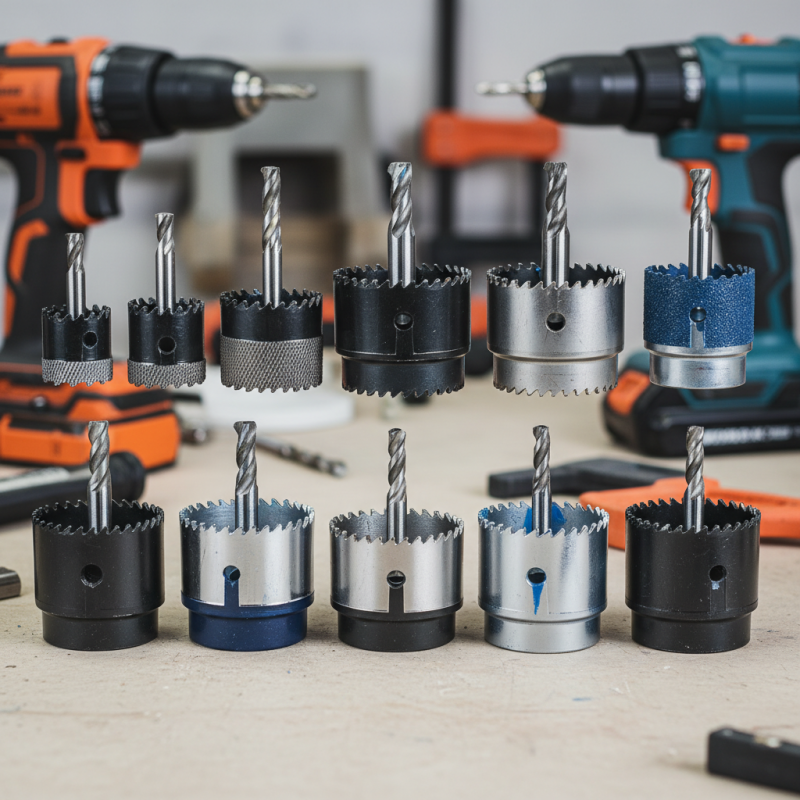
When selecting hole saw blades, focus on key features that affect performance. Material quality is crucial. Bi-metal blades offer durability. They can cut through various materials effectively. Carbide-tipped blades are excellent for tougher jobs. These blades resist wear and heat, extending their lifespan.
Another important feature is the tooth design. Neatly arranged teeth enhance cutting efficiency. Look for blades with larger teeth for faster cuts in softer materials. Smaller teeth provide precision in harder materials. A depth gauge is also useful. It saves time, ensuring the right depth for different applications.
Lastly, consider the blade size. Choose various sizes for versatile use in projects. Some tasks require larger saws for bigger holes. Others need small saws for intricate designs. Experimenting with different blades can yield mixed results. Understanding your project's demands is essential. Investing time in research ensures you pick the right tools for your needs.
Comparison of Materials Used in Hole Saw Blade Construction
When exploring hole saw blades, material plays a critical role in performance. Common construction materials include high-speed steel (HSS), carbide-tipped steel, and bi-metal designs. HSS offers durability and is favored for softer materials. Carbide-tipped blades excel in cutting through harder substances like metal. Each material has unique properties impacting efficiency and longevity.
A recent industry report highlighted that bi-metal hole saws are gaining traction due to their versatility. They combine the benefits of both HSS and high-carbon steel, delivering increased durability. This combination allows users to tackle various materials efficiently.
Understanding these materials can significantly affect your choice for specific tasks.
Tips: Always consider the material you’ll be cutting. Assess whether you need precision or speed. Selecting the right blade material can save time and frustration. Buy a few different options to find what works best for your projects.
Remember, not all materials work well with every type of saw blade. Be reflective on what you primarily cut. It can be costly to experiment without proper research.
Review of the Best Hole Saw Blades for Wood Cutting
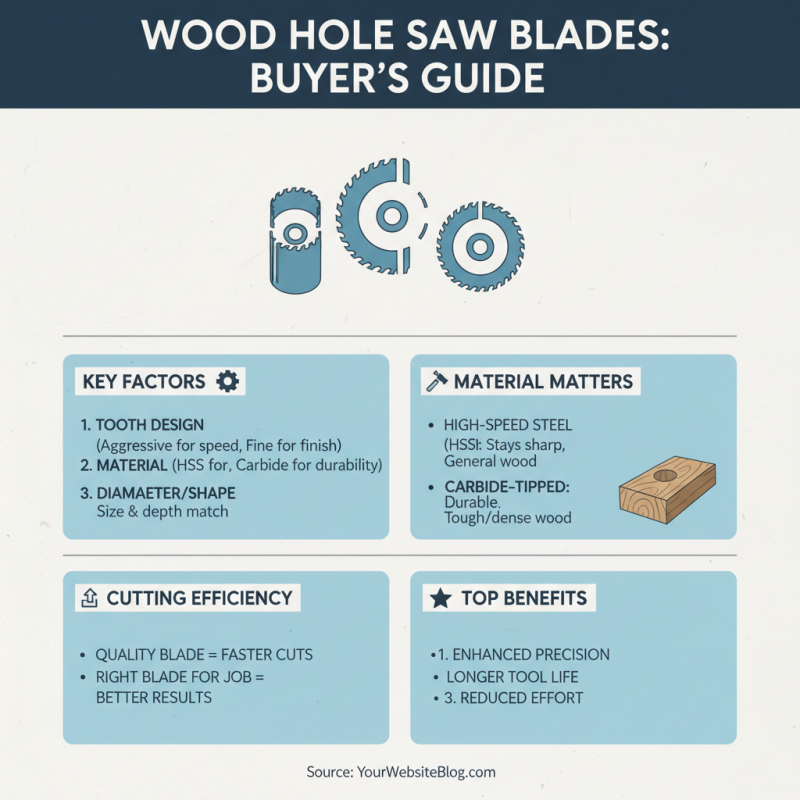
When it comes to woodworking, choosing the right hole saw blade is crucial. A quality blade can significantly enhance your cutting efficiency. The market offers a variety of options, but not all perform at the same level. Factors like tooth design, material, and diameter shape the cutting experience. A blade made from high-speed steel tends to stay sharp longer, while carbide-tipped blades provide durability for tough materials.
Proper technique also matters in hole cutting. Pushing too hard can damage both the blade and the material. Controlled pressure aids in smoother cuts. Also, maintaining a steady speed is essential. It avoids overheating and prolongs blade life. Many woodworkers also overlook the importance of correctly aligning the saw. Misalignment can lead to uneven cuts, requiring more time to fix mistakes. Experimenting with different blades can help you discover what works best for your specific projects, allowing for more efficient woodworking.
Evaluation of Hole Saw Blades Suitable for Metal Applications
When selecting hole saw blades for metal applications, many factors come into play. Material is crucial. High-speed steel and carbide-tipped blades are often preferred for their durability. These materials offer resilience against wear, especially in tough metals. A well-chosen blade can cut through steel with precision. But not all blades will perform equally.
The design of the hole saw also matters. Look for a thick wall and deep cutting profile. This design helps in reducing binding while cutting. Some users have found that shallow teeth lead to overheating. Overheating can compromise blade integrity. An inefficient cut can be frustrating and time-consuming. Selecting the right pitch and tooth count can also impact performance significantly.
Additionally, consider the application type. Different projects demand unique blade specifications. Users often overlook this detail, leading to poor outcomes. Reflecting on your past experiences with blades could guide future choices. A blade that works for one material may struggle with another. The goal should always be efficient and clean cuts, ensuring your projects are completed without complications.
Best 10 Hole Saw Blades for Efficient Cutting in 2026
| Model |
Material |
Diameter (inches) |
Teeth Count |
Ideal for Metal Thickness (mm) |
Rating (out of 5) |
| Model A |
Bi-metal |
1.25 |
14 |
1.0 - 5.0 |
4.8 |
| Model B |
Carbide |
1.5 |
10 |
1.5 - 6.0 |
4.5 |
| Model C |
Steel |
2.0 |
16 |
2.0 - 8.0 |
4.7 |
| Model D |
High-Speed Steel |
1.75 |
12 |
1.0 - 4.5 |
4.6 |
| Model E |
Diamond |
1.0 |
8 |
0.5 - 3.0 |
4.9 |
| Model F |
Bi-metal |
2.5 |
20 |
3.0 - 10.0 |
4.4 |
| Model G |
Carbide |
1.5 |
18 |
2.0 - 6.0 |
4.3 |
| Model H |
High-Speed Steel |
2.0 |
14 |
2.5 - 5.5 |
4.2 |
| Model I |
Steel |
1.0 |
10 |
1.0 - 3.0 |
4.1 |
| Model J |
Diamond |
1.5 |
16 |
1.5 - 4.5 |
4.0 |
User Feedback: Experiences with Top Hole Saw Blades in 2026
User feedback plays a crucial role in identifying the best hole saw blades available in 2026. Many users reported varying experiences based on different cutting tasks. Some focused on wood, while others worked with metal or tiles. This variation in use led to mixed reviews about performance.
A number of users highlighted the importance of blade durability. Those who needed to cut through tough materials often found that blades wore out quickly. This feedback prompted others to search for more robust options. Ease of use also emerged as a key factor. Users appreciated blades that were easy to install and remove. Some mentioned struggling with alignment issues, which affected their cutting accuracy.
However, not all experiences were negative. Many users found reliable blades that met their needs effectively. The right choice often came down to individual projects and specific requirements. Some DIY enthusiasts shared tips on maintenance. Regular cleaning after use extended blade life significantly. Overall, user feedback sheds light on a diverse landscape in the market for hole saw blades in 2026.