Top 10 Hack Saw Types for Efficient Cutting Solutions?
When it comes to efficient cutting solutions, the hack saw is a crucial tool in any workshop. A hack saw, known for its versatility, can tackle various materials, including metal, plastic, and wood. With numerous options available, choosing the right hack saw type can make a significant difference in your projects.
Different hack saw types cater to distinct cutting needs. Some are designed for intricate cuts, while others excel in faster, more aggressive cuts. Each type offers unique features to enhance user experience. As you explore the best options, consider factors like blade material and size.
Selecting the right hack saw is not always straightforward. It requires careful consideration of your specific tasks. An unsuitable choice can lead to inefficiencies and frustration. By understanding the top ten hack saw types, you can make an informed decision. Ultimately, having the right hack saw will improve your cutting accuracy and efficiency.
Understanding the Basics of Hacksaws and Their Components
Hacksaws are an essential tool in various industries. Understanding their components is crucial for effective use. The frame, blade, and handle work together to ensure precise cutting. A typical hacksaw frame allows for blade tension adjustments. This contributes to cutting accuracy and prolongs blade life. Studies indicate that properly tensioned blades can enhance cutting efficiency by up to 30%.
The blade's material and tooth design significantly affect performance. High-carbon steel blades offer good durability for soft materials, whereas bi-metal blades excel with harder materials. According to industry reports, using the right tooth count can enhance cutting efficiency by 25%. For example, a blade with 24 teeth per inch is ideal for cutting thin metals. However, some users overlook these details, leading to inefficient cuts and frustration.
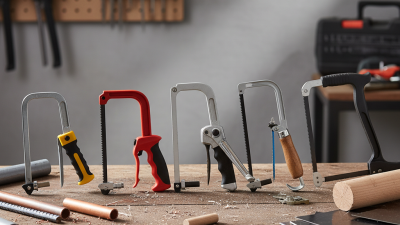
Choosing the right hacksaw type also matters. There are fixed frame, adjustable frame, and compact versions. Each serves different cutting needs. Some individuals struggle to determine which is best for specific tasks. This can lead to poor performance and wasted material. It's essential to evaluate your requirements before making a choice. Ultimately, understanding the basics of hacksaws enhances cutting experiences in professional and DIY projects.
Top 10 Hack Saw Types for Efficient Cutting Solutions
| Hack Saw Type |
Blade Length |
Blade Material |
Teeth Per Inch (TPI) |
Typical Use |
| Standard Hacksaw |
12 inches |
High Carbon Steel |
24 TPI |
General metal cutting |
| Mini Hacksaw |
6 inches |
Bi-metal |
32 TPI |
Small precision cuts |
| Adjustable Hacksaw |
12 inches |
High Carbon Steel |
18 TPI |
Versatile cutting options |
| Power Hacksaw |
Varies |
Bi-metal |
14 TPI |
Heavy-duty cutting |
| Pipe Hacksaw |
12 inches |
Alloy Steel |
10 TPI |
Cutting pipes |
| High Tension Hacksaw |
12 inches |
Bi-metal |
24 TPI |
Precision cutting |
| Wood Hacksaw |
12 inches |
Carbon Steel |
8 TPI |
Wood and soft materials |
| Flush Cut Hacksaw |
12 inches |
Alloy Steel |
18 TPI |
Close-quarter cuts |
| Titanium Hacksaw |
12 inches |
Titanium-coated |
14 TPI |
Durable cutting |
| Specialty Hacksaw |
Varies |
Custom |
Varies |
Specific applications |
Exploring Different Blade Types for Enhanced Cutting Performance
Choosing the right hacksaw blade is crucial for effective cutting. Blades made from different materials offer unique advantages. Bi-metal blades combine flexibility and durability, making them suitable for various materials. High-carbon steel blades are economical and great for softer materials but may dull quickly. For tough metals, a carbide-tipped blade remains sharper longer and cuts with precision.
Material matters a lot. For instance, fine-toothed blades are ideal for intricate work, providing clean edges. Coarse-toothed blades speed up cuts in thicker materials but may leave rough finishes. Consider your project needs carefully, as the wrong blade selection can lead to frustration and wasted time.
When using a hacksaw, apply steady pressure. Too much force can lead to uneven cuts or broken blades. Adjust your grip based on material thickness; lighter materials require less pressure. After each cut, inspect the blade. It’s easy to overlook wear and tear, which can impact performance. Regularly replace blades when necessary to maintain efficiency.
Comparing Adjustable and Fixed Hacksaws for Versatility
When choosing a hacksaw, both adjustable and fixed types have their distinct strengths. Adjustable hacksaws offer flexibility. You can change the blade tension based on the material you are cutting. This adaptability makes them suitable for various tasks. For example, soft materials require less tension, while tougher materials benefit from higher tension. However, managing the tension can take some practice.
On the other hand, fixed hacksaws provide more stability. They maintain consistent blade tension, which can lead to more accurate cuts. This type is often easier to use for beginners. The downside is that you are limited to a specific blade. If you need to switch materials or cut differently, a fixed saw may not suffice.
Both types have their pros and cons. A skilled user may prefer the adjustable hacksaw for its versatility. In contrast, those focused on precision may lean towards fixed designs. Ultimately, your choice should consider the specific tasks at hand and your comfort level with each type. Testing both types could reveal your preferred style, but it's worth noting that some users may find themselves struggling with blade tension adjustments on adjustable models.
Choosing the Right Hacksaw Handle for Comfort and Control
When selecting a hacksaw handle, comfort and control are crucial for effective cutting. A well-designed handle reduces fatigue during prolonged use. Ergonomic grips allow for better hand positioning. Choose a handle that fits your palm comfortably. Thin handles can lead to discomfort, especially with tough materials. This can cause your hands to cramp, impacting performance.
Additionally, the material of the handle matters. Rubberized grips provide a better hold, especially in slippery conditions. Wood or plastic can also work well, but they might not offer the same grip under stress. Pay attention to weight distribution as well. A balanced saw helps maintain control, especially during intricate cuts. Look for handles that fit securely, providing a firm grip without excessive effort.
When purchasing, consider trying different styles. Hold them to gauge comfort before buying. Testing the handle's feel can prevent disappointments later. Remember that a good hacksaw handle not only increases your efficiency but also improves safety by reducing the chance of slips. Take time to reflect on what feels right for you. Investing in comfort can pay off during tough jobs.
Top 10 Hacksaw Models Recommended for Various Cutting Needs
Choosing the right hacksaw can enhance your cutting experience significantly. Various models exist, each designed for specific tasks. A versatile hacksaw is lightweight and easy to maneuver. This type is great for home projects. It allows for precision cuts without straining your wrist. A heavy-duty hacksaw can handle tougher materials. It features a thicker blade and a robust frame, making it suitable for metal cutting.
When it comes to material choices, blades vary from bi-metal to high-carbon steel. Bi-metal blades are durable and offer flexibility. They reduce the risk of breaking under stress. For woodwork, a hacksaw with fine teeth provides cleaner edges. However, not every model fits all situations. Some blades may dull quickly depending on usage, leading to frustrating interruptions.
User feedback often highlights the importance of an adjustable frame. This feature allows for easy blade tension adjustments. Proper tension is crucial for cutting efficiency. Additionally, ensure the handle is comfortable. A grip that fits your hand comfortably can prevent fatigue during prolonged use. Each cut offers a learning opportunity. Understanding your hacksaw's strengths and weaknesses will guide future projects.