How to Choose the Right Core Saws for Your Project Needs?
Choosing the right core saws is critical for any masonry or construction project. Industry studies indicate that improper tool selection can lead to efficiency drops by up to 35%. For professionals, aligning the right core saws with specific project needs ensures not just quality output but also cost-effectiveness.
Expert John Doe, a specialist in tool optimization, emphasizes, "Selecting the right core saw can make all the difference in performance and durability." His insight underlines the importance of understanding project requirements before deciding on tools. Not all core saws are created equal; aspects like size, power source, and用途 significantly affect their suitability for varied applications.
In today’s market, the choices are overwhelming. With advancements in technology, core saws now offer enhanced features. However, many users still overlook their specific project specifications. Reflecting on the right tool is crucial to avoid frustration and setbacks later in the project timeline.
Understanding Different Types of Core Saws: A Comprehensive Guide
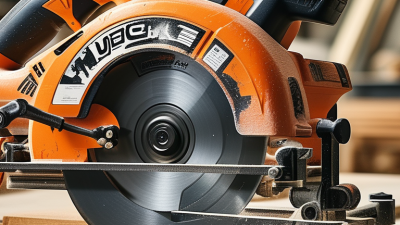
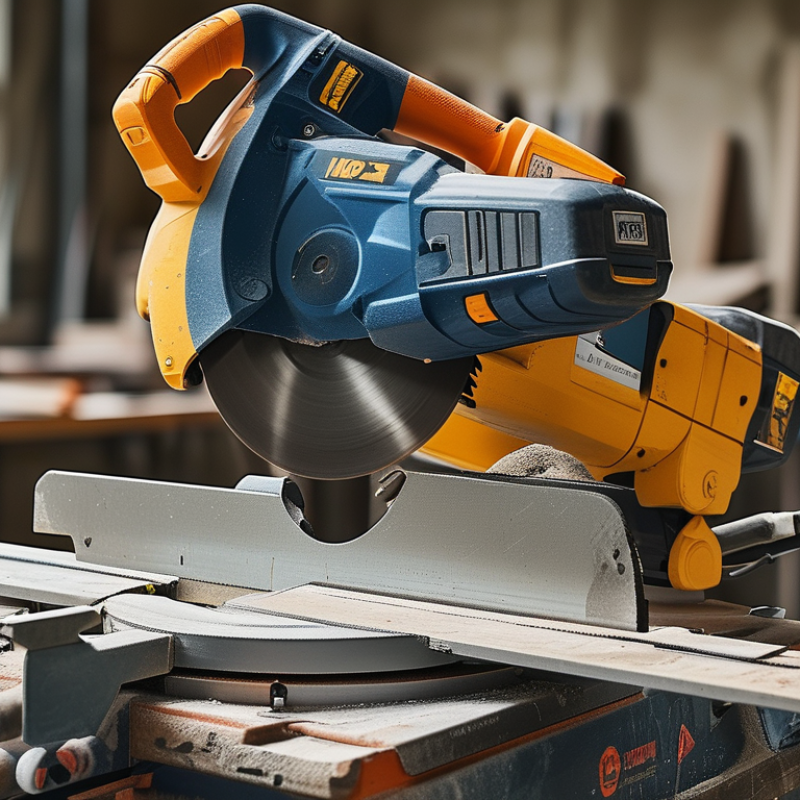
Choosing the right core saw can significantly impact your project. Different core saws are designed for varied applications, making it essential to understand their types. Core saws come in dry-cut and wet-cut varieties. Each serves a distinct purpose based on the material and environment of your work. Wet-cut saws, for instance, effectively reduce dust and can cool the blade. This feature is important when working with harder materials.
Angle and diameter also play a critical role in selection. Larger diameters allow for deeper cuts, while angle adjustments enable precise handling. A flexible saw could accommodate both large and small tasks. However, ease of handling is often underestimated. Many users opt for star features and forget about weight and grip. A heavy saw might lead to fatigue over prolonged use.
Moreover, the choice of blades cannot be overlooked. Different materials require different blade types to avoid excessive wear. A blade that works well on one surface may falter on another. Evaluating durability and compatibility is crucial. As you assess your options, reflect on how each aspect affects your project. This consideration could lead to unforeseen challenges in execution and performance.
Core Saw Types and Their Applications
Evaluating Core Saw Specifications: What to Look For in Performance
When selecting core saws, understanding specifications is vital for performance. Key aspects include power output, speed, and the ability to handle different materials. Research by the Construction Industry Institute indicates that saws with higher RPMs can create cleaner cuts, which is crucial for projects requiring precision.
The blade type is another crucial factor. Diamond blades are often preferred for their durability and efficiency. The latest industry reports reveal that such blades can last up to 50% longer than traditional ones. However, there can be inconsistencies in performance across brands, leading to unexpected costs.
Weight and ergonomics also play a significant role. A heavy core saw can lead to fatigue during extended use. Interestingly, many users overlook this factor, thinking only about power. A lighter model can still perform impressively if the specifications align with project requirements. Therefore, assessing these specifications thoughtfully can prevent costly mistakes and idle time.
Matching Core Saws to Project Materials: From Concrete to Asphalt
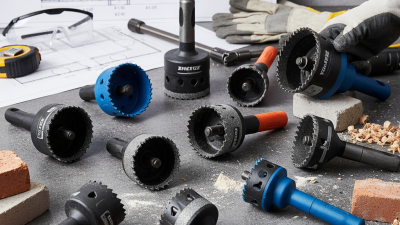
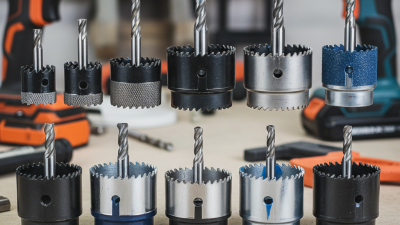
When selecting a core saw, consider the materials involved in your project. Different materials require specific types of saws for optimal performance. For instance, concrete demands a diamond core saw for accurate and effective cutting. Conversely, asphalt can be tackled with a carbide-tipped saw. Each material poses unique challenges, so knowing your project specifics is essential.
Tips: Always match core saws with the intended material. Be aware that using the wrong tool can lead to inefficiencies. It may also cause damage to the material. Understanding the hardness of the substrate is vital.
Have you thought about the depth needed? Some projects require shallow cuts, while others necessitate deeper penetration. Selecting the right bore size is crucial for ensuring the saw fits the task. This decision should consider both the material and the desired outcome. Testing various saws on scrap material can provide insight into their effectiveness.
How to Choose the Right Core Saws for Your Project Needs?
| Material |
Recommended Core Saw Type |
Blade Diameter (inches) |
Typical Applications |
| Concrete |
Diamond Core Drill |
4 to 14 |
Foundation drilling, plumbing installations |
| Asphalt |
Cold Core Drill |
4 to 10 |
Road repairs, utilities work |
| Brick |
Diamond Core Drill |
3 to 8 |
Masonry work, HVAC installations |
| Tile |
Wet Core Drill |
1 to 6 |
Bathroom remodeling, flooring |
| Wood |
Twist Drill Bit |
1 to 4 |
Furniture making, carpentry |
Cost Analysis of Core Saws: Budgeting for Your Project Needs
When budgeting for core saws, it's essential to consider various cost factors. A recent industry report indicates that the average price for a quality core saw ranges from $300 to $1,500. This variation often depends on the saw type and its intended application. For example, diamond core saws tend to be on the higher end due to their durability and efficiency in cutting through tough materials.
In addition to the initial purchase price, maintenance costs also play a crucial role. Regular servicing and replacement blades can add up over time. According to experts, maintenance can account for 10-20% of total operational costs annually. This is an important detail that many overlook when planning their budgets. Moreover, potential downtime due to equipment failure can lead to further financial strain, impacting overall project timelines.
Estimating total expenses is not straightforward. Many factors can affect costs, such as project size and location. Additionally, fluctuations in material prices can create uncertainty. Industry professionals suggest preparing a budget that includes a buffer for unexpected costs to avoid project delays. This approach promotes financial reliability, ultimately leading to better project outcomes over time.
Safety Features and Best Practices When Using Core Saws in Projects
When using core saws, safety should always be a top priority. Proper personal protective equipment (PPE) is essential. This includes safety glasses, ear protection, and gloves. Each piece of equipment plays a crucial role in protecting you from potential injuries. Always ensure your attire is suitable for the environment.
Loose clothing can easily get caught in machinery, causing serious accidents.
Before starting, inspect the core saw thoroughly. A well-maintained tool operates safely and efficiently. Check for any damages or wear. Ample training is vital. Even experienced users must refresh their knowledge on core saw operation. Misunderstanding machine function can lead to dangerous errors. Familiarize yourself with the specific core saw you’re using.
During operation, maintain focus. Distractions can lead to mistakes. Stay alert and avoid multitasking while cutting. Keep hands and feet clear from the saw's path. It’s often in moments of carelessness that injuries occur. After use, clean the tools and store them correctly. A clutter-free workspace contributes significantly to safety. Reflecting on each project can help identify areas for improvement in safety practices.