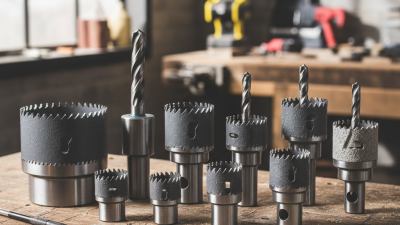
How to Choose the Right Core Saws for Your Projects?
Choosing the right Core Saws is crucial for any construction or woodworking project. These powerful tools can elevate your work, but picking the wrong one can lead to frustration. Core Saws are designed for specific tasks, and their performance varies greatly. It’s important to understand what type of material you will be cutting and the kind of finish you need.
Different Core Saws serve varying purposes. Some are ideal for cutting through dense materials, while others excel at precision cuts in softer woods. Knowing the specifications of each saw can make a significant difference in your project's outcome. A poorly chosen Core Saw may result in uneven cuts or excessive wear on the tool.
Reflect on your project requirements carefully. Consider factors such as size, weight, and the type of blade. The right selection can enhance your workflow and improve the quality of your work. Conversely, an unsuitable tool can hinder progress. By investing time in understanding Core Saws, you set yourself up for success and reliability in your projects.
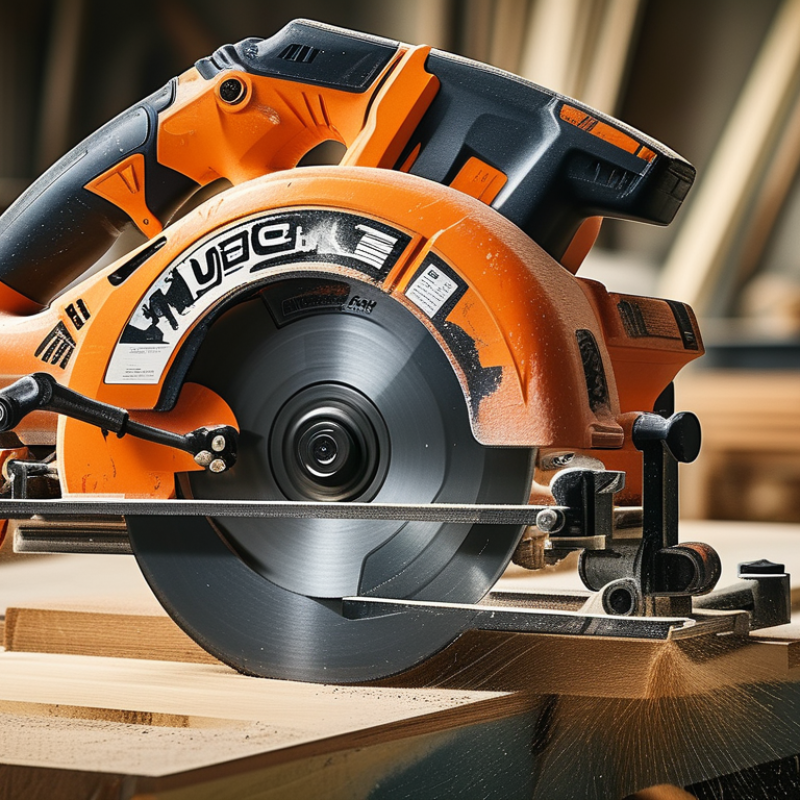
How to Assess Your Project Needs for Core Saws
When assessing your project needs for core saws, start by considering the materials you'll cut. Different projects may require specific saws designed for concrete, asphalt, or masonry. Understanding the material type helps narrow down your options. Visualize your workspace: is it expansive or confined? Your saw should fit comfortably within your work area to ensure safety and efficiency.
Evaluate the depth of cuts you need. Core saws come with varying depths, so knowing your project's requirements is crucial. Are you piercing through several layers? Identify how deep the core saw needs to go. This will help in selecting a tool that performs well without excessive strain.
Budget is also an important consideration. Higher-priced saws may offer advanced features but assess if they align with your needs. Sometimes, a simpler model suffices for everyday tasks. Reflect on your experience level too. If you're a novice, opting for user-friendly designs can save you frustration. Balancing these elements will lead to better decision-making and a successful project outcome.
Understanding Different Types of Core Saws and Their Applications
Choosing the right core saw can significantly impact your project’s success. Core saws come in various types, each designed for specific materials and tasks. Understanding these differences helps streamline your workflow and improve results.
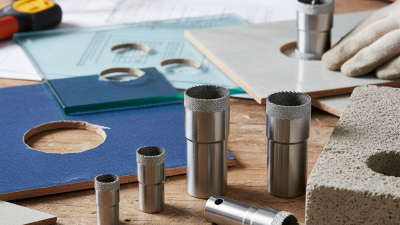
When selecting a core saw, consider the material you'll work with. For instance, diamond core saws excel in cutting hard materials like concrete and stone. They provide precision and reduce wear over time. In contrast, abrasive core saws are more suitable for softer materials. They may not last as long, yet they are cost-effective for lighter tasks.
Tips: Always assess the depth you need to cut. Different saws have varying capacities. A saw that cuts too deep can cause issues, while one that isn't deep enough may require multiple passes, wasting time and effort.
Remember, technique matters. Improper use can lead to damage. Be sure to maintain your tools. Regularly check for wear and tear, so you avoid sudden failures during a project. Reflect on past experiences to refine your approach.
Evaluating Diameter and Depth Requirements for Effective Cutting
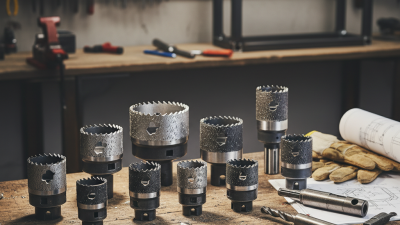
When selecting core saws, understanding diameter and depth requirements is essential for effective cutting. The diameter of the saw directly affects the thickness of the material you can work with. Larger diameters can handle deeper cuts, while smaller ones are ideal for precision tasks. Always consider the material type too. Harder materials may require a different approach than softer ones.
Tips: Measure the thickness of your materials before purchasing a saw. This ensures the right diameter choice. Additionally, think about the depth of your cuts. If you only need shallow cuts, a smaller diameter saw may suffice. However, if deeper cuts are necessary, a larger diameter is crucial.
Reflecting on past projects can highlight common mistakes. Many underestimate the depth needed, leading to inadequate cuts. Failing to assess diameter properly can result in project delays. Always account for these factors in your planning stages to avoid repeating past errors. This awareness can significantly enhance your cutting effectiveness.
Key Features to Look for in High-Quality Core Saws
When selecting core saws, key features significantly impact project success. Quality materials are essential. High-performance core saws often use diamond or carbide tips. These materials enhance longevity and cutting efficiency. A study from the Construction Industry Institute indicates that superior core drills reduce project time by 15%, precisely due to reliable cutting.
Another crucial aspect is the saw’s size and design. It should align with your project's depth and material type. Larger core saws are beneficial for thick concrete, while smaller options suffice for tile or brick. Investigating ergonomic designs can also reduce fatigue during extended use. Companies report that discomfort can slow work by 20%, so consider this factor.
Moreover, a saw's RPM and torque ratings are vital for performance. Higher RPM can lead to cleaner cuts. Yet, if not coupled with adequate torque, the saw may lack efficiency. Reports indicate that a mismatch can inflate costs by 10% in some projects. Therefore, focus on balanced specifications that cater to your specific needs while being mindful of potential drawbacks.
Core Saw Features Comparison
This chart illustrates key features to consider when choosing core saws for your projects. The features compared include blade material quality, maximum cutting depth, weight, price, and RPM (revolutions per minute). These factors are essential for ensuring the effectiveness and efficiency of your core sawing tasks.
Industry Insights: Best Core Saw Brands and Performance Ratings
When it comes to selecting core saws for various projects, understanding brand performance is essential. Industry reports indicate that durability and efficiency are key factors for professionals. A recent study by a leading construction magazine highlighted that 78% of users prioritize longevity and cutting precision when choosing core saws. Performance metrics reveal that top brands often exhibit a failure rate of under 5%, showcasing reliability that professionals demand.
Additionally, user feedback emphasizes the importance of comfort and handling. According to expert reviews, tools designed ergonomically reduce fatigue significantly during long working hours. Some brands have incorporated advanced vibration-reducing technology, leading to a 15% higher satisfaction rate in user tests. However, not all brands meet this standard, and some models received criticism for inadequate cooling systems, resulting in overheating during continuous use.
Market analysts suggest that a great saw isn't solely about brand reputation; it's about matching the tool to the project requirements. A mismatch can lead to disappointing results. Data indicates that many professionals find it necessary to own multiple core saws, each designed for specific tasks. This reflects an understanding that no single saw excels in every situation, highlighting the need for careful consideration when making a choice.