How to Choose the Right Stainless Steel Drill Bits for Your Projects?
Choosing the right tools can be daunting. For precise drilling in stainless steel, selecting the right stainless steel drill bits is crucial. These bits are designed specifically for challenging materials, making them essential for any DIY or professional project.
Understanding your options is key. Not all stainless steel drill bits are created equal. Some might excel in durability while others offer speed. Evaluating your specific needs can lead to better performance. It’s vital to consider factors like bit design and coating. Misunderstandings in these areas can lead to poor results and frustration.
With so many choices available, experience can be valuable. Seek recommendations from experts or user reviews. Not every tool will meet your expectations. Be prepared to adapt and reassess if necessary. Ultimately, the right stainless steel drill bits can enhance your project’s quality and efficiency.
Understanding Different Types of Stainless Steel Drill Bits
When selecting stainless steel drill bits, understanding the different types available is crucial for optimal results. Cobalt steel bits are popular for working with tough stainless materials. They are durable and resistant to heat. According to a recent industry report, these drill bits can withstand temperatures up to 1,200 degrees Fahrenheit. This makes them ideal for heavy-duty applications.
Another option is carbide-tipped drill bits. They offer superior hardness and longevity compared to others. Users have reported longer lifespan than standard high-speed steel bits. However, they can be brittle and prone to breaking under excessive pressure. It's important to note that the choice of bit should depend on the specific application and material type.
Standard high-speed steel (HSS) bits are versatile but may struggle with harder grades of stainless steel. While they perform well, they tend to dull faster. When working with different materials, one should consider the trade-off between speed and durability. Understanding your project needs is vital to selecting the right drill bit type. Each type has its strengths and weaknesses that can significantly impact your project’s outcome.
Key Factors to Consider When Choosing Drill Bits
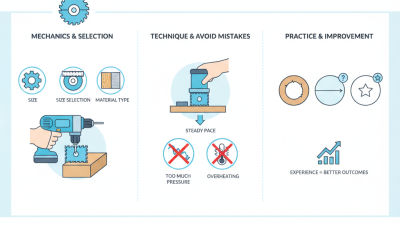
Choosing the right drill bits for stainless steel projects is crucial. There are several key factors to consider. The material and coating of the bit can significantly affect performance. Look for high-speed steel or cobalt drill bits for better durability. Coated bits, such as titanium or black oxide, reduce friction and increase lifespan.
Tips: Always match the drill bit size to your project needs. If you're unsure, start with a smaller bit and work your way up. This prevents damages and maintains precision.
The design of the drill bit also matters. Twist bits are common for metalwork, but stepped bits offer versatility. For thicker stainless steel, consider using a carbide-tipped bit for efficient drilling. Adjust your speed settings based on the bit type and thickness for optimal results.
Tips: Keep the drill bit cool. Overheating can damage both the bit and the material. A drop of cutting oil can help maintain temperature and improve the drill's performance. Pay attention to wear on your bits. Regular inspection can prevent unexpected failures during your projects.
Matching Drill Bit Size to Your Project Requirements
Choosing the right drill bit size is crucial for project success. An improper size can lead to poor results. A report from the Industrial Fasteners Institute indicates that approximately 30% of project failures relate to the incorrect choice of tools. Selecting the appropriate stainless steel drill bits can prevent wasted materials and time.
When matching drill bit sizes, consider the dimensions of the project. A standard bit may suffice for simple tasks. However, complex projects often require custom sizes. For instance, using a bit too small can cause excessive friction and heat, while one too large may yield weak joints. According to the American National Standards Institute, accurate sizing reduces overall manufacturing errors by about 20%.
It's essential to reference detailed project plans. Take into account aspects like thickness and type of stainless steel involved. Some builders disregard this, leading to costly mistakes. Regularly reviewing project requirements reinforces good habits in selecting drill bits. A precise match promotes efficiency and can enhance the longevity of the finished product. A careful approach to choosing sizes ensures higher-quality outcomes.
Evaluating Quality and Durability of Stainless Steel Drill Bits
When selecting stainless steel drill bits, evaluating quality and durability is essential. The material composition greatly influences performance. High-quality stainless steel offers resistance to wear and corrosion. Look for bits made from premium alloys for superior strength. Inspecting the manufacturing process can also reveal insights. Bits that undergo rigorous testing usually promise reliability.
A visual inspection can provide useful clues. Look for smooth finishes and consistent edges. Any sign of roughness could indicate subpar production methods. Additionally, check for the hardness of the bits. Harder bits tend to last longer but can be more brittle. Balance is key; a bit that's too hard may break under stress.
Don't overlook user reviews and feedback. Real-world experiences can guide your choices. Also, consider how often you plan to use the bits. If they are for occasional projects, lower durability may be acceptable. However, frequent use demands more robust options. Reflect on your needs; it helps avoid wasting money on overspecified products. Choose wisely, as the right bits can enhance the quality of your work.
Best Practices for Maintaining Your Drill Bits
Maintaining your stainless steel drill bits is crucial for effective performance and longevity.
Regular cleaning is essential. After each use, remove any metal shavings. Use a brush to scrub the bits gently.
This simple habit can prevent rust and corrosion over time.
Store your bits in a dry place, away from moisture. A dry environment minimizes unwanted oxidation.
Sharpening drill bits can restore their cutting efficiency. Over time, even high-quality bits dull with use.
A dull bit can cause frustration and lead to mistakes. Use a sharpening stone or file.
Be careful with the angle to ensure a proper edge. Frequent users might consider investing in a professional sharpener.
It's a valuable tool that can prolong the life of your bits.
Lastly, inspect your drill bits regularly. Check for any signs of wear or damage.
Tiny cracks or chips can compromise their effectiveness. If you notice any wear, it’s time to consider replacing them.
Reflecting on your maintenance practices can lead to improvement. Keeping a consistent maintenance routine is key to optimizing your tools.