Why Choose the Right Hacksaw Blades for Your Projects?
Selecting the right hacksaw blades can greatly influence your project's outcome. Quality blades are essential for achieving precise cuts in various materials, from metal to plastic. The right hacksaw blades not only enhance efficiency but also prolong the life of your tools.
Many users often overlook the importance of blade selection. They might grab any available blade without considering factors like tooth count and material compatibility. This can lead to frustration during cutting tasks. When the wrong blade is used, it can easily result in poor performance and wasted materials.
It's crucial to understand that hacksaw blades are not one-size-fits-all. Each project demands specific features to deliver optimal results. By learning about these differences, you can make informed choices, ultimately improving your work quality and enjoyment. Investing time in selecting the proper hacksaw blades can make all the difference in your projects.
Understanding Hacksaw Blades: Types and Materials
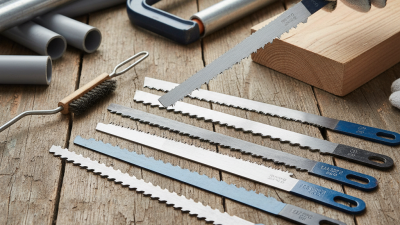
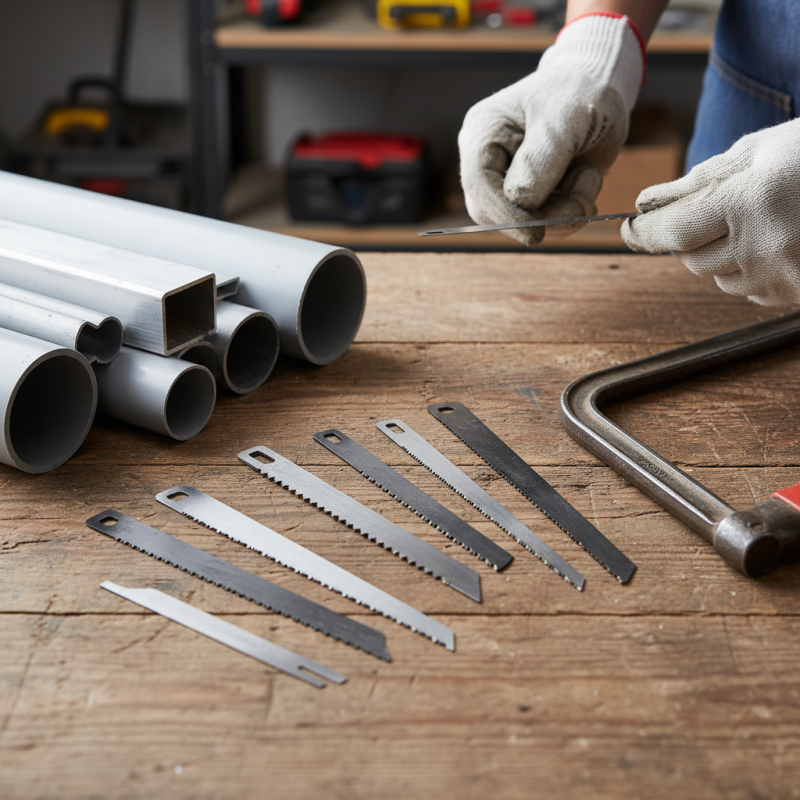
When selecting the right hacksaw blades, understanding their types and materials is crucial. Hacksaw blades come in various styles, each designed for specific materials. Common types include high-carbon steel, bi-metal, and carbide-tipped blades.
High-carbon steel blades are affordable and suitable for softer materials like plastic and aluminum. They may dull quickly with harder metals, so they are not always reliable for heavy-duty work.
Bi-metal blades combine flexibility and durability. They are designed to cut through tougher materials like stainless steel and metal tubing. The unique construction helps prevent breakage and ensures longevity.
Carbide-tipped blades, though more expensive, excel in cutting harder materials like ceramic and certain alloys. They maintain their sharpness longer, providing a better overall cutting experience.
However, they are prone to chipping on harder impacts.
Choosing the right blade also involves considering the tooth count and pitch. Finer teeth work well for delicate cuts, while coarser blades are best for faster, rougher cuts. Balancing these factors is essential but can feel overwhelming. Experimenting with different blades might lead to mistakes, but these lessons are vital for improving future projects. Each project can demand different approaches, making it important to stay adaptable and learn continuously.
Factors to Consider When Choosing Hacksaw Blades
Choosing the right hacksaw blade involves several important factors. Think about the material you'll cut. Different materials require different blade types. For example, a thicker blade works better for metals, while a finer tooth blade is ideal for plastic or wood. The tooth count directly influences the cut quality and speed. Generally, more teeth provide finer cuts but may slow down the process.
Consider the blade's material as well. Carbon steel is common, yet bi-metal blades offer enhanced durability and flexibility. These factors influence the blade's lifespan and cutting efficiency. A reliable blade can save time and effort on repetitive projects. Pay attention to the kerf width too. A wider kerf means more material removed, which can affect precision.
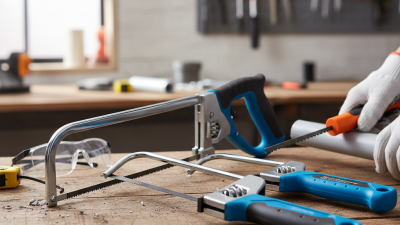
Some users overlook the importance of compatibility with their hacksaw frame. Not all blades fit all frames. Checking compatibility ensures safety and efficiency. Reflect on your level of expertise too. Beginners may benefit from more forgiving blade types. Ultimately, it’s about finding a balance that meets both your project needs and skill level.
Why Choose the Right Hacksaw Blades for Your Projects? - Factors to Consider When Choosing Hacksaw Blades
| Blade Type |
Material |
Tooth Count |
Length (inches) |
Applications |
| Bi-Metal Blade |
High-Speed Steel |
14 TPI |
12" |
Metals and Some Plastics |
| Carbon Steel Blade |
Carbon Steel |
24 TPI |
10" |
Thin Materials, Soft Metals |
| Alloy Steel Blade |
Alloy Steel |
18 TPI |
14" |
Metals, Hard Plastics |
| Specialty Blade |
High-Speed Steel |
32 TPI |
6" |
Precision Cuts, Thin-Walled Sections |
Common Applications of Hacksaw Blades in Projects
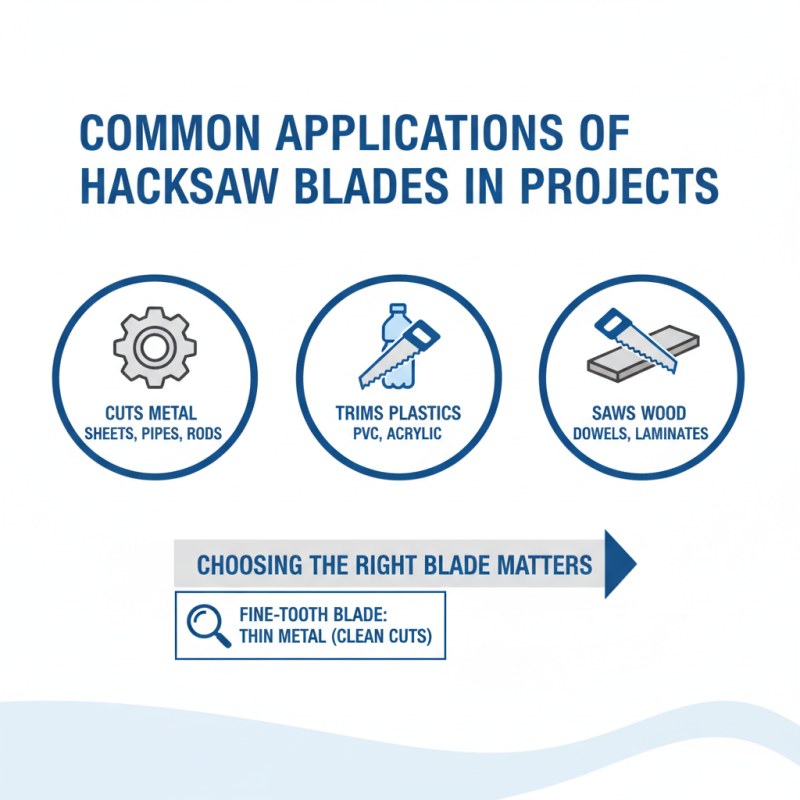
Hacksaw blades are essential tools for various projects. They efficiently cut through materials like metal, plastic, and wood. Choosing the right blade can significantly improve your work quality and speed. For instance, a fine-toothed blade works well for thin metal sheets, providing clean cuts without damaging the material.
Projects like plumbing repairs or metal fabrication often rely on hacksaw blades. A common application is cutting pipes or conduits. The right blade ensures smooth, precise cuts, saving time and effort. In woodworking, a hacksaw can help shape small components. However, using a blade meant for metal on wood can lead to splintering and uneven results.
It’s crucial to assess the specific needs of your project. Understanding the material and required cut type can guide your choice. Not all blades are equal, and selecting a generic one may lead to frustration. Reflecting on past experiences can help uncover the right approach to blade selection. A thoughtful choice can enhance efficiency and finish quality in your projects.
Maintenance Tips for Prolonging Hacksaw Blade Life
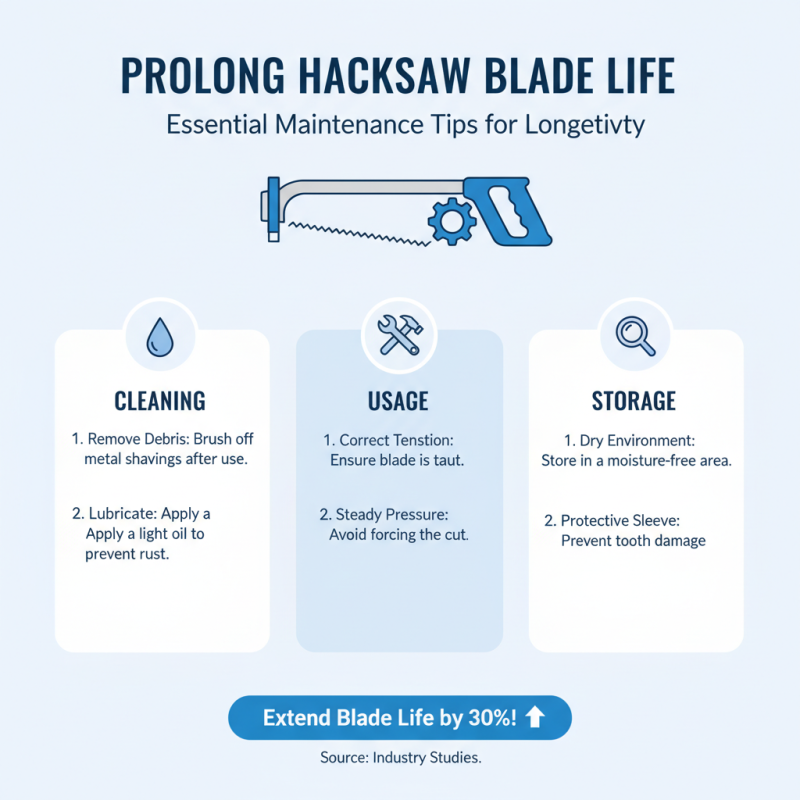
Choosing the right hacksaw blades can significantly impact your project’s efficiency. However, maintaining these blades is equally crucial for their longevity. Proper care can extend the life of your hacksaw blades by up to 30%, according to industry studies.
One essential tip is to clean the blades after each use. This removes debris and prevents buildup that can dull the blade. Using a wire brush or cloth can help maintain smooth edges. Additionally, storing blades in a protective case can prevent damage and bent teeth. Many users overlook proper storage, which can lead to unnecessary replacements.
Another important aspect is to regularly check blade tension. A blade that is too loose can lead to uneven cuts, while a blade that is too tight may break more easily. Aim for just enough tension to keep the blade secure without excessive stress. Remember, improper tension can result in reduced cutting efficiency. By following these simple maintenance tips, you can ensure your hacksaw blades remain sharp and effective for every project.
The Impact of Blade Quality on Project Outcomes
Choosing the right hacksaw blades is crucial for achieving optimal project outcomes. Quality blades can significantly affect the precision and efficiency of cutting tasks. According to a study by the National Woodworking Association, using higher-grade blades can reduce cutting time by up to 30%. This improvement leads to better overall productivity.
Inadequate blade quality often leads to more issues than expected. Poor cuts can produce rough edges, wasting time on rework. Furthermore, a report from the Metalworking Industry Association indicates that over 40% of metalworkers attribute project delays to blade failures. Selecting a blade designed for the specific material enhances cutting performance and reduces the risk of accidents.
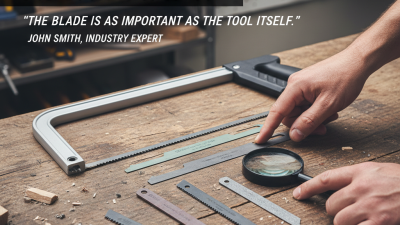
Many users underestimate the impact of wear and tear on blades. Dull blades require excessive force, increasing the chances of damaging projects. According to industry experts, regularly assessing blade condition is essential for maintaining project integrity. Yet, only a small percentage of craftsmen do this routinely. Investing time in understanding blade specifications can save material and effort in the long run.
Impact of Hacksaw Blade Quality on Project Outcomes