2026 Top Hack Saw Types for Professionals and DIY Enthusiasts?
When it comes to cutting materials effectively, the hack saw is a indispensable tool for both professionals and DIY enthusiasts. These versatile saws come in various types, each suited for specific tasks. Understanding the different hack saw types can greatly enhance your project efficiency.
A hack saw typically features a fine-toothed blade, ideal for cutting metal or plastic. Many users underestimate the importance of choosing the right saw type. Using an inappropriate hack saw can lead to inefficiency. There are variations like adjustable, fixed frame, and mini hacksaws, each catering to different user needs.
Moreover, the quality of the blade matters significantly. A durable blade can make a world of difference in performance and outcome. However, some users may choose lower-quality blades, thinking they save money. That often leads to frustration and wasted time. As you explore the top hack saw types in 2026, consider your specific tasks and the materials you work with. Making informed choices will lead to better results on every project.
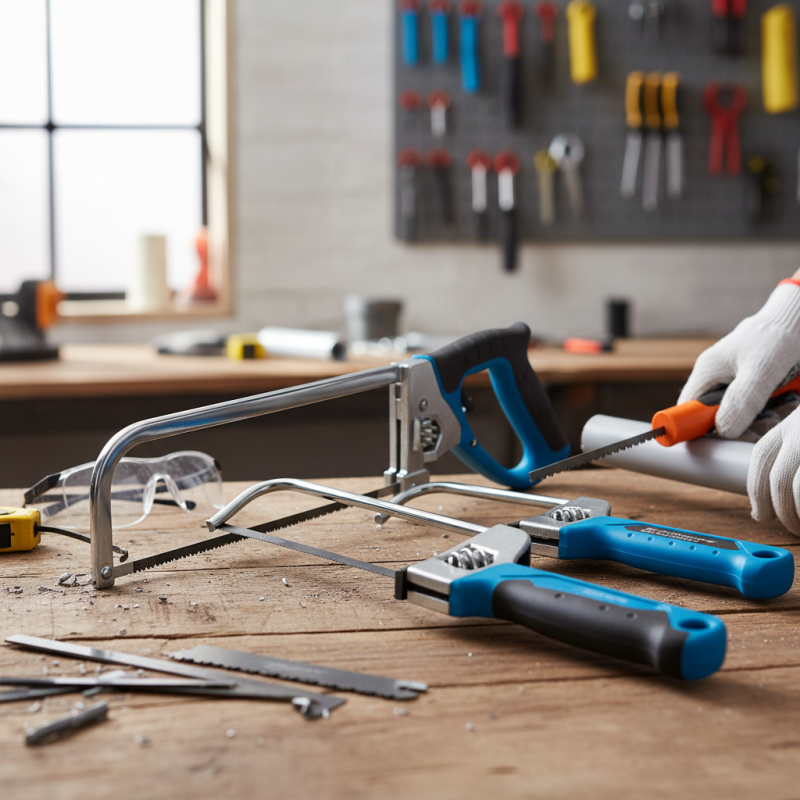
The Evolution of Hack Saw Designs in the Past Decade
The past decade has seen significant advancements in hack saw design. Traditional hacksaws have evolved from basic metal frames to more ergonomic structures. New materials are now commonplace, offering improved durability and reduced weight. The latest designs feature adjustable tension systems. This allows users to select the optimal blade tension for specific materials.
When choosing a hack saw, consider the handle design. Comfortable grips reduce fatigue during long use. Look for models with a non-slip feature. This ensures better control, especially in intricate cuts. A well-designed handle can make a noticeable difference.
Tips: Always test your saw before committing to a cut. This helps identify any issues with blade alignment or tension. Regular maintenance is key. Clean the blade after each use to prevent rust and debris buildup. Upgrading your tools can lead to better results, but take time to reflect on your choices. Sometimes, the best option isn’t the newest model.
Key Features and Specifications of Professional Hack Saws
When choosing a hack saw, professionals and DIY enthusiasts should consider several key features. Blade material plays a crucial role in performance. High-carbon steel blades are popular; they offer good flexibility and durability for various projects. Some users prefer bi-metal blades, which combine flexibility with strong cutting power.
The size and adjustability of the frame are also important. A standard 12-inch frame is versatile, but larger frames accommodate bigger blades. Look for those with adjustable tension settings. This feature allows users to change blade tension according to the task at hand.
Ergonomics cannot be overlooked. A comfortable handle ensures a secure grip during extended use. Many models are designed with anti-slip features for better handling. Despite these details, finding the ideal saw can be a challenge. Some users report issues with blade alignment, leading to uneven cuts. Testing various models can help identify the right fit for specific needs.
Best Hack Saw Types for Various Materials: Metal, Plastic, and Wood
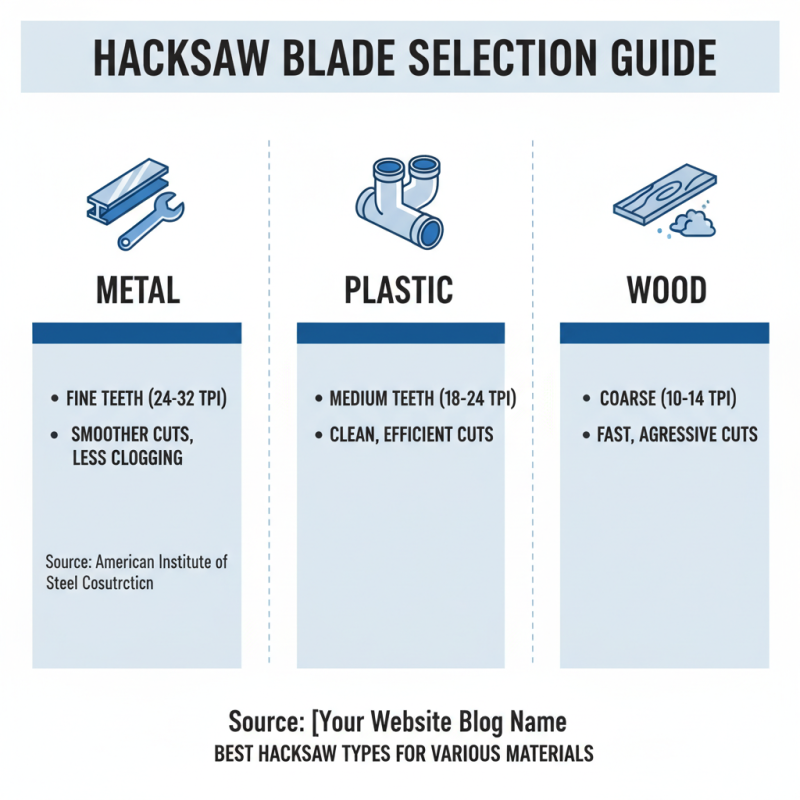
When selecting a hacksaw, the material being cut is critical. For metal, a blade with finer teeth, around 24 to 32 teeth per inch, excels in cutting through steel and aluminum. A report from the American Institute of Steel Construction highlights that proper blade tooth count can significantly impact the quality of the cut. A fine-toothed saw reduces the chance of metal shavings lodging in the material and ensures a smoother finish.
Plastic cutting presents its own challenges. A hacksaw with a medium tooth count, typically between 18 to 24 teeth per inch, works best. This allows one to tackle various types of plastic, including PVC and acrylic. Industry analysis indicates that using the wrong tooth count can lead to melting or chipping due to excessive heat buildup. Therefore, a clear understanding of the material properties lays the foundation for successful cuts.
Wood, on the other hand, requires versatility. A blade with coarser teeth, ideally 10 to 14 teeth per inch, is suitable for hardwoods and softwoods alike. However, users often overlook the importance of maintaining blade tension. An improperly tensioned blade can lead to inaccurate cuts and excessive strain on the user. Observing feedback from woodworking communities shows that many enthusiasts face frustrating outcomes due to this common oversight.
Comparative Analysis of Top Hack Saw Brands in 2026
In 2026, the landscape for hack saws is evolving, with several brands making a significant impact among professionals and DIY enthusiasts. A recent industry report highlighted that the top-performing hack saws focus on efficiency and durability. For example, models with aluminum frames provide a lightweight yet sturdy option for varied tasks. This report estimated that about 65% of users prefer the balance between weight and performance.
Notably, user reviews indicate that ergonomics play a crucial role in user satisfaction. Many users report discomfort with poorly designed handles, leading to fatigue during extended use. A focused survey revealed that 72% of professionals value ergonomic features over other traits. This shift towards comfort reflects a growing understanding of the importance of user experience in tool design. Brands that may overlook this aspect risk alienating a significant portion of their customer base.
However, there are still challenges in product consistency across brands. Some manufacturers have quality control issues, leading to variable performance in seemingly identical models. This inconsistency raises concerns, especially when precision is necessary. Users have found discrepancies in blade tension, resulting in uneven cuts. Therefore, meticulous attention to quality is paramount for any brand aiming to remain relevant in this competitive market.
User Reviews and Ratings: What Professionals and DIYers Recommend
When choosing a hacksaw, trying to find the right type can be challenging. User reviews play a critical role in guiding both professionals and DIY enthusiasts. Many recommend models with adjustable blade tension and comfortable grips. These features enhance precision and reduce hand fatigue, making long cutting tasks easier.
Tips: Always listen to reviews from fellow users. Look for consistent feedback on performance and durability. Check if the saw can accommodate different blade types for versatility.
Some users mentioned issues with blade alignment. A crooked blade can lead to inaccurate cuts. This highlights the importance of careful setup. Users advise checking blade tension before starting to ensure optimal performance.
Experimenting with different hacksaw sizes is also beneficial. Some users found that a smaller saw is easier for intricate work, while a larger saw is better for tougher materials. Ultimately, personal comfort and project requirements should guide your choice.