Best Hack Saw Reviews and Buying Guide for Global Buyers?
When it comes to selecting the right Hack Saw, understanding specific features is crucial. Renowned industry expert, Mark Thompson, once stated, "Choosing the right Hack Saw can significantly impact your project’s efficiency and quality." This highlights the importance of making an informed choice.
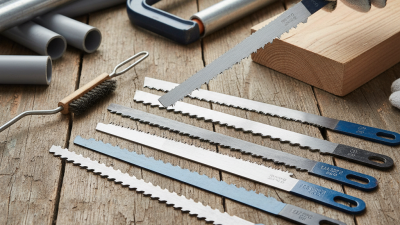
Hack Saws are essential tools for both professionals and DIY enthusiasts. They offer versatility and precision in cutting various materials like metal, wood, and plastic. However, not all Hack Saws are created equal. Factors such as the blade type, frame material, and adjustable features can make all the difference.
In today’s market, buyers face numerous options. It can become overwhelming. Understanding each component and its relevance is vital. This guide aims to simplify that process. We will provide a comprehensive overview, ensuring you find the perfect Hack Saw for your needs. Remember, each choice matters. Choosing wisely can enhance your work and save time.
Overview of Hacksaw Types and Their Applications
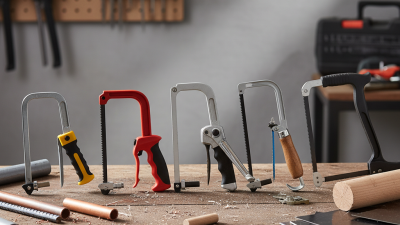
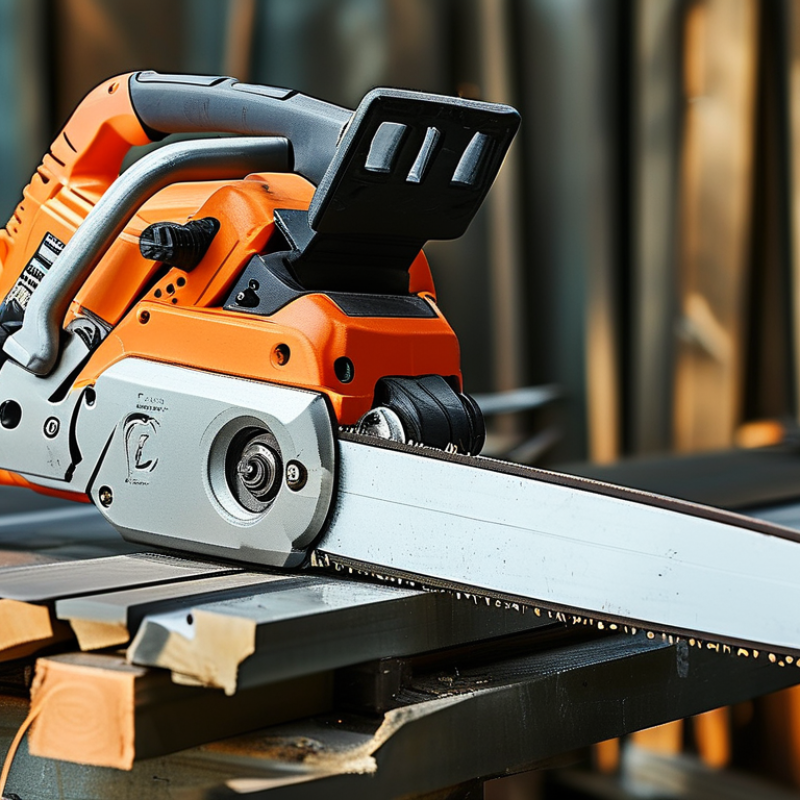
When choosing a hacksaw, understanding the different types available is essential. Hacksaws are primarily categorized based on their frame styles and blade configurations. Each type is designed for specific applications, enhancing both accuracy and efficiency. For instance, a standard hacksaw frame is versatile, ideal for cutting metal and plastic. It's a reliable option for most DIY projects.
There are also specialized hacksaws like the junior hacksaw, which features a smaller frame. This makes it perfect for tight spaces or delicate work. Such a model may lack the cutting power of larger ones, but it excels in precision. Another variation is the reciprocating hacksaw, which uses power for heavier cuts. It can be faster but may require more skill to control properly.
Not all hacksaws will meet every need. Selecting the right type depends on the material you're cutting and the precision required. Consider the blade teeth per inch as well. Finer teeth can cut through metals smoothly, while coarse teeth are better suited for larger, thicker materials. An informed choice will significantly improve results in any project.
Hacksaw Types and Their Applications
Key Features to Consider When Buying a Hacksaw
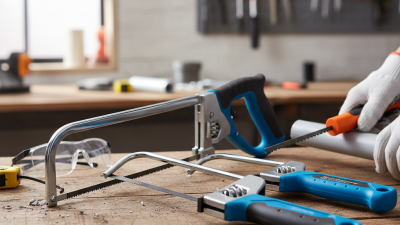
When selecting a hacksaw, it’s essential to consider key features that impact its performance. A good hacksaw frame should provide stability and comfort. Look for adjustable tension systems, as they help maintain blade tension during use. There are various blade types available, and choosing the right one is crucial. Bi-metal blades, for instance, offer flexibility and durability.
The handle’s comfort also matters. Ergonomic designs prevent fatigue during extended use. Pay attention to the grip material to ensure it handles well in various conditions. Furthermore, weight plays a role as well. A lightweight saw can be easier to maneuver, but it should still feel sturdy.
Another aspect is blade length. Most hacksaws accept standard blades, which come in various lengths. Ensure compatibility when making a choice. Additionally, consider the overall construction quality. Cheaper options might fail after several uses. Reflect on your needs before making a purchase. Quality tools can significantly affect your project outcomes.
Top Hacksaw Brands Reviewed for Performance and Durability
When considering hacksaws, performance and durability are critical factors for users worldwide. According to industry reports, a well-made hacksaw can cut through various materials with ease, enhancing efficiency in construction and DIY projects. Various tests show that high-quality blades can last up to five times longer than cheaper alternatives. This durability ensures a better return on investment over time.
Many hacksaw brands stand out based on rigorous testing protocols. They are evaluated for their cutting speed, blade tension, and overall build quality. In one independent study, users rated top brands with a performance score of over 80%, with several noting the importance of a comfortable grip during extended use. Users reported that fatigued hands led to decreased accuracy, highlighting the need for ergonomic designs.
However, not all products perform equally. Some models may break under extreme conditions or wear out quickly. Certain brands have received feedback regarding their blade alignment. It is essential to acknowledge that even the best hacksaws require regular maintenance and blade replacement to continue performing effectively. A detailed inspection before heavy use can help mitigate potential issues.
Best Hack Saw Reviews and Buying Guide for Global Buyers
| Model |
Blade Length |
Weight |
Material |
Durability Rating |
| Model A |
12 inches |
1.5 lbs |
Steel |
90% |
| Model B |
14 inches |
1.8 lbs |
Aluminum |
85% |
| Model C |
12 inches |
1.3 lbs |
Carbon Steel |
92% |
| Model D |
16 inches |
2.0 lbs |
High Carbon Steel |
88% |
| Model E |
18 inches |
2.1 lbs |
Heavy Duty Steel |
95% |
User Ratings and Feedback on Popular Hacksaw Models
When choosing a hacksaw, user ratings and feedback are crucial. Many individuals rely on the experiences of fellow users. This firsthand feedback can highlight the pros and cons of specific models. Users often share their thoughts on the comfort of grips and the durability of blades. Some find certain models feel heavier, affecting their overall experience.
Not all hacksaws receive praise. Certain models face criticism for blade vibrations. Others might struggle with fine cuts, which can frustrate users. Many reviewers also mention the ease of changing blades. Quick swaps can save time on projects. However, if a hacksaw is complicated to use, it may deter buyers.
Users' feedback often emphasizes the importance of build quality. A sturdy frame can make a significant difference. Some reviews mention that, despite positive initial impressions, long-term durability can be an issue. Not every model lives up to expectations over time. This is where user experience shines, revealing insights that catalog descriptions often miss. Assessing user ratings is essential for making an informed decision.
Maintenance Tips for Extending the Life of Your Hacksaw
Maintaining your hacksaw is crucial for optimal performance and longevity. Proper care extends its life significantly. Most metal cutting tools, including hacksaws, can last up to five years if maintained well. Research indicates that routine maintenance can increase tool lifespan by up to 30%. Simple cleaning after use is essential to prevent rust accumulation.
Regularly checking the tension of the blade also plays a pivotal role. An improperly tensioned blade can cause uneven cuts and shorten its lifespan. Some studies show that a well-tensioned blade performs better and requires less frequent replacement. This small adjustment can make a big difference.
Inspecting the blade for wear and tear is equally important. A dull blade strains the tool and affects cutting efficiency. Studies suggest that using a new blade enhances cutting speed and precision. This not only improves your work quality but also prevents unnecessary fatigue. Remember, even small actions in maintenance can lead to significant outcomes.