10 Best Cnc Machine Tools for Precision Engineering in 2026?
The world of precision engineering is rapidly evolving. In 2026, CNC machine tools stand at the forefront of this transformation. As industries demand higher precision and efficiency, selecting the right CNC machine tool becomes crucial.
CNC machine tools offer advanced capabilities for manufacturing complex designs. However, navigating the various options can be daunting. Not all machines serve the same purpose. What works for one application may not be suitable for another. It’s essential to understand your specific needs and the machine's capabilities.
Reliability and innovation are key factors in choosing the best CNC machine tool. As technology progresses, we face new challenges and opportunities. Still, the quality of the tool influences the final product. Engineers must critically assess their resources. The right CNC machine tool can lead to remarkable outcomes, but sometimes, choices can lead to unexpected results. Balancing precision with practicality remains a vital consideration for all engineers.

Overview of CNC Machine Tools in Precision Engineering
CNC machine tools play a crucial role in precision engineering. They are essential for achieving high levels of accuracy in manufacturing processes. According to a recent report by Research and Markets, the global CNC machine tools market is expected to grow at a CAGR of 8.2% from 2021 to 2026. This growth can be attributed to the increasing demand for automated solutions in industries like aerospace, automotive, and electronics.
As precision engineering evolves, new challenges emerge. Manufacturers face issues such as skill shortages and evolving technology. In 2022, a survey by the Association for Manufacturing Technology highlighted that 65% of manufacturers struggle to find skilled operators. This situation calls for advanced training programs and better educational resources. Innovation in CNC technologies is crucial to address these skill gaps and maintain competitive advantages.
Additionally, sustainability is becoming increasingly important. The push for eco-friendly manufacturing practices can clash with the rapid pace of technological development. A 2023 report by Deloitte found that 72% of manufacturers consider sustainability a priority. However, integrating sustainable practices into CNC operations can be complex. Companies must carefully weigh the cost versus benefits of adopting green technologies. Balancing precision, efficiency, and environmental responsibility continues to be a significant challenge for the industry.
Key Features to Consider for CNC Machines in 2026
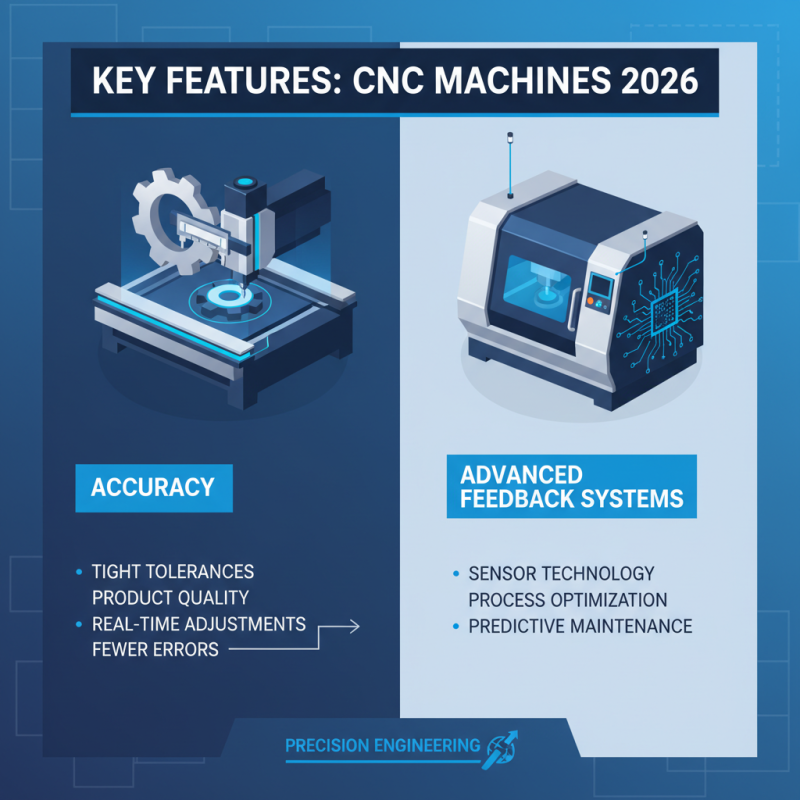
When selecting CNC machines in 2026, several key features emerge as essential for precision engineering. Accuracy is paramount. When machines are precise, they improve overall product quality. Look for models boasting tight tolerances. This ensures that every component meets design specifications. Advanced feedback systems also enhance accuracy. These features can adjust operations in real-time, leading to fewer errors.
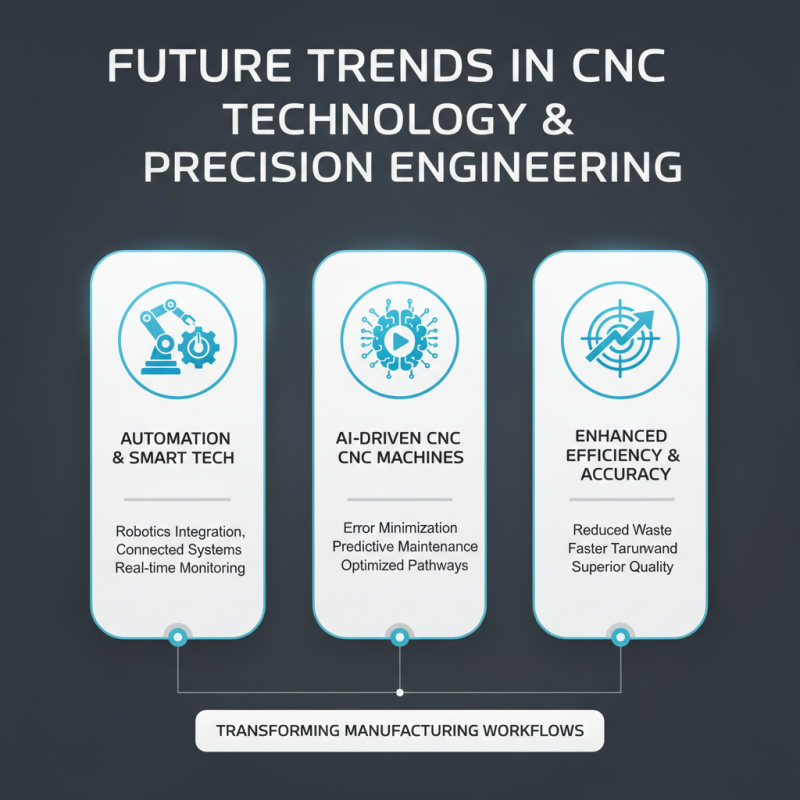
Another significant aspect is automation capability. The market demands efficiency. Modern CNC machines that limit manual intervention can significantly boost productivity. Features like automatic tool changers and adaptive machining are important. These allow for continuous operation, reducing downtime. Moreover, connectivity is crucial. Machines that integrate with Industry 4.0 technologies offer seamless data exchange. This connection streamlines operations and enables better decision-making.
Lastly, consider the machine's versatility. The ability to handle a variety of materials is valuable. Not all shops can afford different machines for specific tasks. Thus, selecting a comprehensive solution can be more cost-effective. Regular software updates also contribute to longevity. However, it’s vital to remain adaptable. As technology evolves, continuous learning is necessary to keep pace with industry changes.
Top 10 CNC Machine Tools for Precision Engineering
CNC machine tools are essential for precision engineering. In 2026, the demand for these tools is expected to rise sharply.
Many industries rely on them for manufacturing high-quality components. The evolution of technology drives innovation in this field.
It’s crucial for engineers to stay updated on the latest tools.
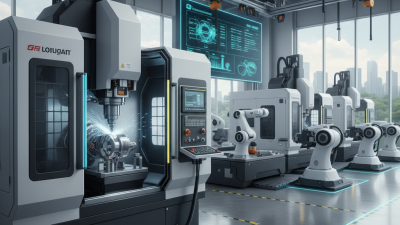
Advanced machining centers offer enhanced speed and accuracy. These machines can handle complex geometries with ease.
However, not all machines are suitable for every application. It's important to evaluate each tool based on specific needs.
Some users report challenges with setup and calibration. This can lead to delays and increased costs, revealing the need for experienced operators.
Another factor to consider is maintenance. Regular upkeep ensures the longevity of CNC machines. Neglecting maintenance can result in costly breakdowns.
Operators must also be trained adequately. Proper training minimizes errors and improves efficiency.
Selecting the right CNC tools can significantly impact production quality and ultimately, customer satisfaction.
Comparative Analysis of Performance and Cost
The landscape of CNC machine tools is evolving rapidly. Precision engineering depends heavily on both performance and cost. Evaluating various tools reveals significant differences in capabilities and pricing. High-performance machines often come with a steep price tag. Meanwhile, more affordable options can sometimes fall short in producing high-quality outputs.
In recent analyses, several machines exhibited exceptional precision but were costly to operate. The running costs, maintenance, and initial investment need careful consideration. Cheaper alternatives sometimes lack the durability required for rigorous tasks. Users face tough choices between performance and budget constraints. A balance is vital for achieving both quality and financial viability.
A deeper look into user experiences highlights a common tension. Many operators report that investing in higher-end tools leads to measurable improvements in productivity. However, others express frustration over unfulfilled promises from lower-cost machines. The research indicates the importance of thorough evaluations before making purchasing decisions. Ultimately, choosing the right tool involves understanding specific needs and the long-term implications of each option.
10 Best CNC Machine Tools for Precision Engineering in 2026
| Machine Tool Type |
Performance Rating (1-10) |
Cost (USD) |
Features |
| CNC Milling Machine |
9 |
$120,000 |
High precision, 5-axis capabilities |
| CNC Lathe |
8 |
$95,000 |
Automatic tool changers, high-speed machining |
| CNC Router |
7 |
$50,000 |
Versatile material handling, easy programming |
| CNC Plasma Cutter |
8 |
$40,000 |
High-speed cutting, portable options |
| CNC Wire EDM |
9 |
$150,000 |
Excellent precision, complex geometries |
| CNC Swiss Machine |
9 |
$120,000 |
Fast cycle times, suitable for small parts |
| CNC Mill-Turn Center |
10 |
$170,000 |
Multi-tasking, high productivity |
| CNC Vertical Machining Center |
8 |
$85,000 |
User-friendly interface, high output |
| CNC Horizontal Machining Center |
9 |
$130,000 |
Reduced tool changing time, enhanced productivity |
| CNC Multitasking Machine |
9 |
$160,000 |
Combines milling and turning processes |