Leave Your Message

What Are the 10 Best Carbide Hole Saws?

Choosing the right hole saw can change a difficult drilling job into a clean, controlled cut. This guide examines what makes the 10 best carbide hole saws worthy of attention. It considers cutting performance, tooth durability, heat control, compatibility, and value. A strong Carbide Hole Saw should cut through tough materials without excessive vibration or premature wear. That sounds simple. It rarely is.

Real workshop experience shows that performance depends on more than the product label. A saw that works smoothly on ceramic tile may behave differently on stainless steel, cement board, or hardwood. Arbor quality, pilot-bit stability, cutting speed, and cooling methods also influence the final hole. Small details matter. A slipping arbor can ruin an otherwise excellent tool.

The selections are assessed through practical criteria, manufacturer specifications, user feedback, and common trade requirements. Attention is given to tooth design, cutting depth, size availability, and safe handling. These factors help readers compare tools with greater confidence, whether they are fitting pipes, installing electrical hardware, or completing renovation work. Still, no ranking is perfect. Material condition, drill quality, and operator technique can change the result. That limitation deserves honest recognition.

The following overview aims to separate useful evidence from confident marketing claims. It highlights where each Carbide Hole Saw performs best and where it may disappoint. Readers should confirm material compatibility before drilling. Proper eye protection, stable workpieces, and controlled pressure remain essential. A sharper cut is valuable. A safer process matters more.
What Are the 10 Best Carbide Hole Saws?

What Is a Carbide Hole Saw and How Does It Work?

A carbide hole saw is a circular cutting tool with carbide teeth fixed around its rim. Unlike a plain abrasive cutter, it removes a ring of material. A pilot drill steadies the tool, then the outer teeth score and deepen the cut. As the arbor rotates, gullets carry chips away from the kerf. Simple in appearance. The cutting edge is not simple. Tungsten carbide combines hard carbide particles with a tougher metallic binder, giving the teeth strong wear resistance and useful heat tolerance.

The U.S. Geological Survey’s Mineral Commodity Summaries 2024 reported about 81,000 metric tons of mined tungsten production worldwide in 2023. This matters because tungsten carbide depends on a strategic, energy-intensive material stream. The International Energy Agency’s Global Critical Minerals Outlook 2024 also identifies tungsten as important to industrial supply chains. These reports do not measure hole-saw sales, but they explain why tooth design and service life matter.

In workshop use, the saw works best when the pilot point enters squarely. Moderate pressure lets the teeth cut instead of rubbing. For steel, cutting fluid can reduce heat; for masonry, dust control and the correct dry-rated design are essential. Never force a stalled saw. Excess pressure can chip carbide teeth or distort the hole. The method is efficient, but not perfect. Thin sheet can grab suddenly, and worn teeth may leave a rough, oversized opening. Inspect the rim after every demanding cut, especially through stainless steel or dense tile. That small check is easy to skip. It should not be.

What Are the 10 Best Carbide Hole Saws?

What Is a Carbide Hole Saw and How Does It Work?

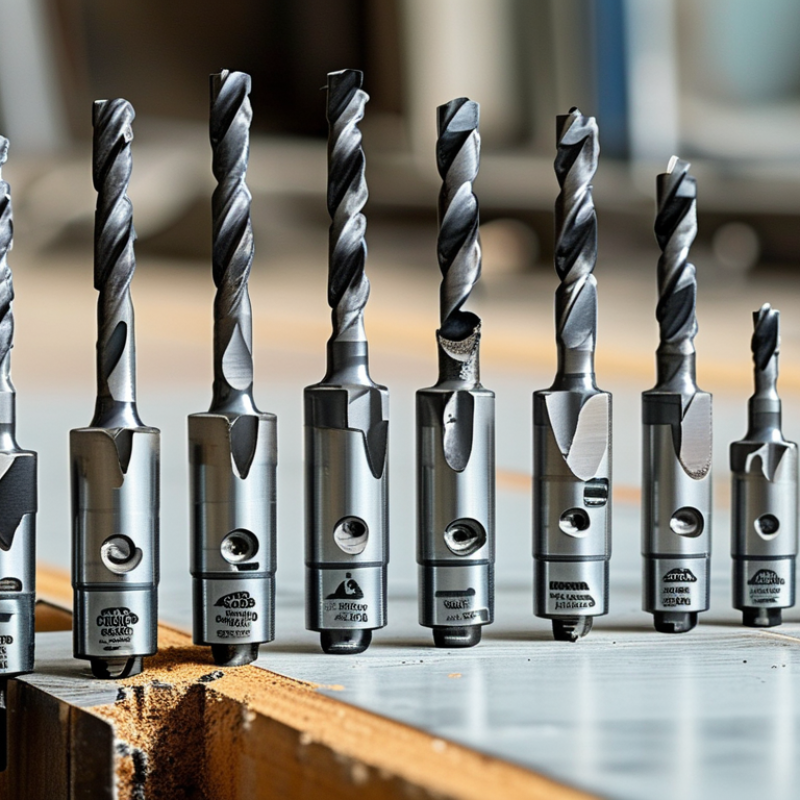
Carbide hole saws use carbide cutting teeth or an abrasive carbide-grit edge to remove material while a pilot drill keeps the cut centered. The ten diameters shown are commonly used nominal sizes, ranging from small openings for cables and pipes to larger openings for plumbing, ventilation, and electrical installations. Larger diameters generally require slower cutting speeds, firm workpiece support, and suitable cutting fluid when working with metal.

Which Features Distinguish a High-Quality Carbide Hole Saw?

What Are the 10 Best Carbide Hole Saws?

A high-quality carbide hole saw starts with a carefully selected carbide cutting edge. Its teeth should remain sharp while cutting tile, cement board, laminates, or abrasive metal. Cheap edges often chip before the work is complete. That matters.

Tooth geometry is equally important. Alternating tooth heights can reduce vibration and prevent binding. A reinforced body helps the saw stay round under pressure. Look for clean brazing between the carbide teeth and steel cup. Uneven joints may create wobble, excess heat, or early tooth loss. The cutting depth should match your material, rather than forcing one tool to handle everything.

A reliable pilot drill also makes a noticeable difference. It should hold firmly and start without skating across a smooth surface. Some designs allow the pilot bit to be replaced, which is useful during repeated installation work. Check the shank size and arbor connection before drilling. Compatibility is easy to overlook.

In practical use, heat control separates dependable tools from disappointing ones. Moderate pressure, short pauses, and suitable lubrication can extend cutting life. I have sometimes pressed too hard when a cut slowed, only to damage the edge. That was avoidable. A quality hole saw should cut steadily, but operator technique still matters. No hole saw is perfect. Inspect the teeth after each demanding cut, especially when the material feels unusually dense.

What Are the 10 Best Carbide Hole Saws? - Which Features Distinguish a High-Quality Carbide Hole Saw?

Rank Carbide Hole Saw Type Typical Diameter Carbide Cutting Design Recommended Materials Typical Cutting Depth Shank and Arbor Features Key Quality Indicators Best For Overall Rating
1 Fine-Tooth Carbide-Tipped Hole Saw 22–51 mm Precisely brazed carbide teeth with a fine, even tooth pattern Thin steel, stainless steel, aluminum, brass, plastic and wood Up to 38 mm Quick-change arbor with a replaceable pilot drill and secure locking pin Uniform tooth height, low vibration, corrosion-resistant body and clean brazing Clean holes in sheet metal and mixed materials ★★★★★
2 Variable-Pitch Carbide Hole Saw 32–102 mm Alternating tooth spacing to reduce chatter and harmonic vibration Metal panels, non-ferrous metal, wood, PVC and composite board Up to 40 mm Heavy-duty arbor with a threaded pilot bit and replaceable components Variable pitch, rigid backing plate, balanced construction and sharp carbide tips Drilling larger holes with reduced vibration ★★★★★
3 Carbide-Grit Hole Saw for Masonry 32–127 mm Tungsten-carbide grit bonded around the cutting rim Brick, concrete block, cement board, plaster and abrasive tile Up to 50 mm Reinforced arbor with a durable pilot drill for rotary drilling Even grit distribution, strong rim bonding, open chip clearance and a rigid shell Fast openings in abrasive construction materials ★★★★★
4 Diamond-Grit and Carbide Hybrid Hole Saw 20–100 mm Carbide support structure with an abrasive diamond-grit cutting edge Ceramic tile, porcelain tile, glass-reinforced board and hard surfaces Up to 35 mm Water-compatible arbor with a replaceable or removable pilot guide Continuous abrasive coverage, heat-resistant bond and a stable cutting rim Hard tile and brittle surfaces requiring a controlled cut ★★★★☆
5 Multi-Purpose Carbide-Tipped Hole Saw Set 19–76 mm Medium-pitch carbide teeth designed for several material types Wood, drywall, plastic, aluminum, thin steel and laminate Up to 38 mm Universal arbor compatible with common drill chucks and impact-rated adapters Interchangeable saw cups, positive tooth seating and clear size markings General maintenance and installation work ★★★★☆
6 Deep-Cut Carbide Hole Saw 40–152 mm Extended carbide teeth with a deep cylindrical cutting wall Thick wood, layered panels, plastic pipe and light-gauge metal Up to 60 mm Long arbor with a pilot drill, locking screws and high-strength backing plate Consistent wall thickness, strong side support and effective chip ejection Deep penetrations through thick boards and assemblies ★★★★☆
7 Thin-Kerf Carbide Hole Saw 25–68 mm Narrow carbide cutting rim engineered to remove less material Sheet metal, plastic, plywood, MDF and laminated panels Up to 32 mm Compact arbor with a pilot drill and a low-profile mounting system Thin kerf, accurate runout control, sharp teeth and efficient cutting resistance Portable drilling where speed and low power consumption matter ★★★★☆
8 Heavy-Duty Carbide Hole Saw for Metal 30–80 mm Large, impact-resistant carbide tips with a robust tooth profile Stainless steel, mild steel, cast aluminum and galvanized sheet Up to 38 mm High-strength arbor, pilot drill with split point and positive cup retention Heat-resistant carbide, reinforced body, low tooth breakage and accurate concentricity Repeated metal drilling in workshops and fabrication tasks ★★★★☆
9 Compact Carbide Hole Saw for Electrical Work 16–54 mm Fine carbide teeth optimized for conduit, cable and junction-box openings Drywall, wood, PVC, aluminum and thin metal enclosures Up to 35 mm Short arbor with a replaceable pilot bit and standard drill-chuck compatibility Accurate sizing, smooth entry, reduced snagging and clearly etched diameter marks Electrical, plumbing and HVAC installation openings ★★★★☆
10 Adjustable Carbide Hole Saw System 30–120 mm Replaceable carbide cutting segments positioned on an adjustable head Wood, plastic, drywall, composite panels and selected thin metals Up to 40 mm Adjustable arbor with locking screws, guide plate and replaceable pilot drill Secure segment locking, precise adjustment scale, rigid guide plate and balanced assembly Projects requiring multiple hole diameters with one tool ★★★☆☆
Selection note: A high-quality carbide hole saw should have securely brazed or bonded carbide, accurate concentricity, a rigid backing body, effective chip clearance, a replaceable pilot drill and a cutting depth suited to the workpiece. Use the recommended speed, cutting lubricant and personal protective equipment for the material being drilled.

How Are the 10 Best Carbide Hole Saws Evaluated?

Choosing the 10 best carbide hole saws requires more than checking cutting speed. Evaluation begins with carbide quality, tooth design, and shell strength. A reliable saw should cut cleanly through tile, fiber cement, masonry, or layered materials without losing teeth quickly. The cutting edge must stay stable under pressure. A wobbling arbor can ruin an otherwise excellent tool.

Testing should include real work conditions. Measure cutting time, hole accuracy, heat buildup, vibration, and tooth wear. A good hole saw leaves a controlled edge, not a chipped crater. Reviewers should also inspect the pilot bit, arbor connection, and removal of the cut plug. These small details affect safety and productivity. In my experience, a saw that performs well once may still disappoint after twenty holes. That is an easy mistake to make.

Tips: Match the saw diameter to the job, then check the material rating. Use steady pressure and avoid forcing the cut. For dense surfaces, cooling may reduce heat and extend tooth life. Wear eye protection and secure the workpiece before drilling. Record performance across several holes, not just one. Also, consider replacement parts and storage. A compact case protects carbide teeth from accidental impacts. The final ranking should balance durability, precision, speed, user control, and practical value. No single model wins every material.

What Are the 10 Best Carbide Hole Saws for Different Materials?

Choosing the ten best carbide hole saws depends on the material, not only the tooth count.

A fine-tooth carbide-tipped saw suits thin steel and aluminum. A coarse-tooth version cuts plywood, softwood, and plastic with less clogging.

For stainless steel, choose a rigid, heat-resistant model with evenly spaced teeth. It should use cutting oil and steady pressure.

For cast iron, a carbide-grit hole saw often performs better because brittle chips can damage sharp teeth.

For ceramic tile, porcelain, and fiber-cement board, carbide-grit designs are practical choices. They remove abrasive dust without relying on delicate cutting edges. The ten strongest material-specific options include saws for softwood, hardwood, plywood, laminate, PVC, aluminum, mild steel, stainless steel, cast iron, and ceramic tile. Each one needs a different cutting speed. Hard materials demand slower drilling and frequent pauses. Never force the tool. I learned that lesson after overheating a saw on a thick steel panel.

Material thickness also changes the result. A deep-cutting saw helps with timber, but it may bind in thin sheet metal. A pilot drill improves alignment, although brittle tile can crack around the entry point.

Clamp loose workpieces firmly, wear eye protection, and clear chips regularly. Carbide is tough, but it is not indestructible. I still check tooth damage before every cut, especially after using the saw on masonry board. Glass remains a poor match for carbide; a suitable diamond tool is normally more reliable.

How Should Carbide Hole Saws Be Used and Maintained Safely?

Carbide hole saws work best when the material, speed, and cutting method match. Before drilling, check the saw, arbor, pilot bit, and locking threads for damage. Wear safety glasses, hearing protection, and fitted gloves only when they cannot catch in rotating parts. Secure the workpiece firmly. A loose panel can twist suddenly and cause injury.

Use a stable drill with the correct speed range. Start slowly, keeping the saw square to the surface. Let the carbide teeth cut instead of forcing them through. Excessive pressure can overheat the tool, chip the teeth, or enlarge the hole unevenly.

For metal, use suitable cutting fluid when the instructions allow it. For tile or masonry, cooling and dust control must follow the material guidance. Never drill near hidden cables or pipes without checking the area first.

Stop immediately if the saw vibrates, smokes, or produces a strange sound. Small warning signs matter. After use, disconnect the drill and wait for the tool to cool. Remove packed debris with a brush, not bare fingers.

Wipe the saw dry, inspect each tooth, and apply light rust protection where appropriate. Store it separately from loose steel tools. I sometimes find that cleaning is skipped after a quick job, but that shortcut reduces cutting accuracy later. Replace a cracked arbor, bent pilot bit, or missing carbide segment rather than trying to repair it. Always follow the saw’s specific instructions, because tooth design and safe operating limits can differ.