Top 10 Best Machine Tool Equipment for Precision Manufacturing?
In the world of precision manufacturing, choosing the right machine tool equipment is crucial. These tools are the backbone of any effective manufacturing operation. With advancements in technology, the options available can be overwhelming. Each machine serves a unique purpose and varies in capabilities. It’s essential to understand what each piece of equipment offers.
Precision is paramount in manufacturing. One mistake can lead to costly errors. Therefore, the best machine tool equipment must ensure accuracy and reliability. Features like enhanced control systems and robust designs play a critical role. However, not every tool on the market meets these standards. Some may lack the durability needed for high-demand environments.
Selecting machine tool equipment requires careful thought. It’s not just about the price. Evaluating the long-term benefits is essential. Understanding the specific needs of your operation can guide your choice. Innovators in the industry keep evolving these tools to meet new challenges. As a manufacturer, staying informed is not just beneficial; it's necessary for success.
Overview of Precision Manufacturing Machine Tools
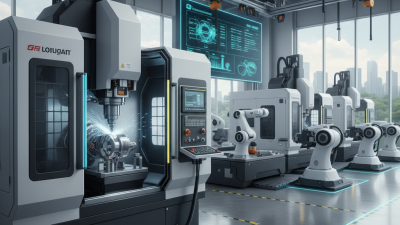
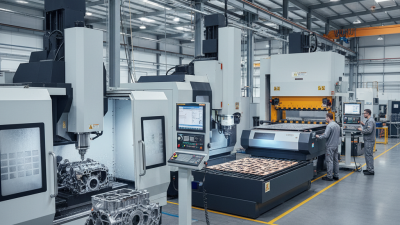
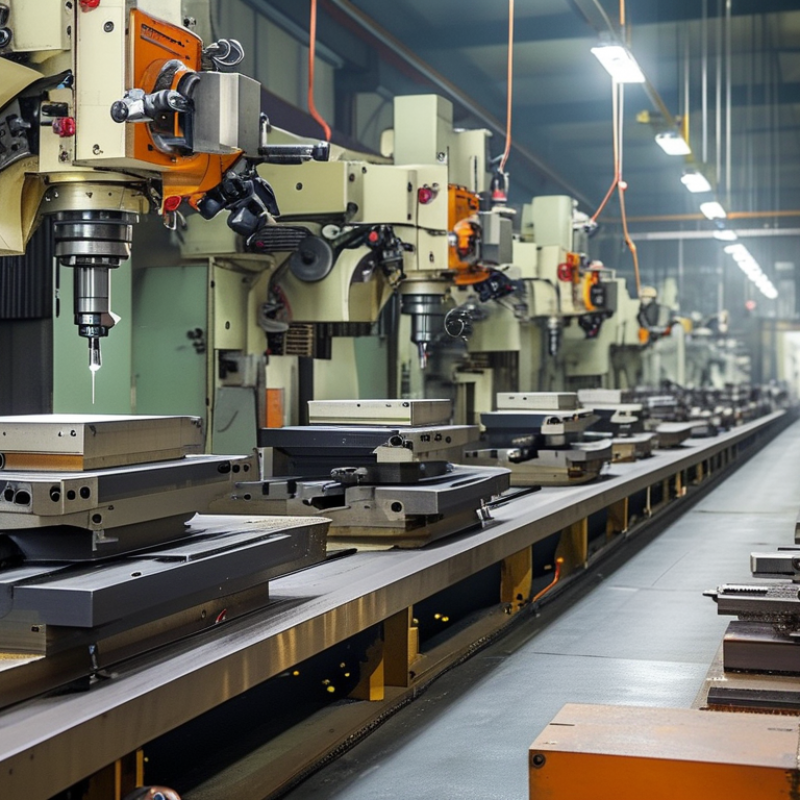
Precision manufacturing relies heavily on advanced machine tools. These tools ensure high accuracy and repeatability in producing complex parts. Each type of machine tool offers unique features tailored for specific manufacturing processes.
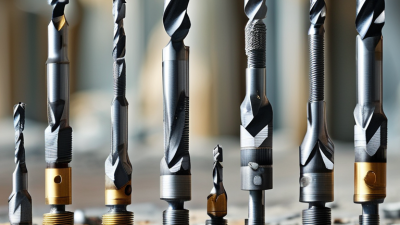
CNC machines are a cornerstone of precision manufacturing. They automate advanced tasks through programmed instructions. This reduces human error significantly but requires skilled operators. Additionally, tool grinders play a crucial role in maintaining the sharpness and precision of cutting tools, essential for optimal performance.
Every machine tool has its limitations. For example, while CNC machines excel in creating intricate designs, they may struggle with large-scale production. Understanding these aspects is critical for improving efficiency. Companies should regularly evaluate and invest in their tooling equipment to stay competitive. The right tools can lead to a dramatic increase in both quality and productivity.
Key Features to Consider When Choosing Machine Tool Equipment
Choosing the right machine tool equipment for precision manufacturing involves careful consideration. One key aspect is the machine's accuracy. Equipment should have tight tolerances to ensure consistent results. Regular calibration tests play a vital role in maintaining this accuracy. Check specifications thoroughly before making a decision.
Durability is another critical feature. Choose materials that resist wear over time. Equipment should withstand the demands of heavy usage without compromising performance. Observing feedback from other users can provide insights into reliability. Pay attention to any recurring issues or failures reported.
Ease of operation is often overlooked. User-friendly machines reduce training time for operators. Intuitive interfaces help avoid errors during the machining process. It's also beneficial to consider the availability of technical support. Access to knowledgeable assistance speeds up resolution during downtimes. In the end, weighing these factors helps identify suitable tools for your manufacturing needs.
Top 10 Machine Tool Brands Known for Precision Manufacturing
When choosing machine tool equipment for precision manufacturing, selecting reputable brands is essential. Top brands excel in reliability, accuracy, and innovation. Their equipment offers improved performance, which is crucial in precision work. These brands often invest in research and development, resulting in more advanced tools that enhance product quality.
Tips: Prioritize brands with a strong industry reputation. Look for those with a history of durability. Consider customer reviews and ratings as these provide real-world insights into performance.
Another vital factor is the technology these brands incorporate. Modern features such as CNC capabilities enhance precision. However, these advancements can come with a learning curve. Operators should be trained adequately to maximize the equipment's potential.
Tips: Always assess training options before purchasing. Ensuring staff are familiar with new technologies will lead to better outcomes. Investing time in learning the software is often overlooked but crucial.
Comparison of Different Types of Machine Tools for Precision Applications
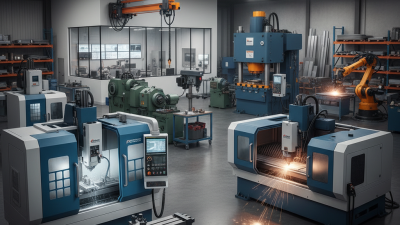
When selecting machine tools for precision manufacturing, understanding the various types is crucial. Lathes are vital for shaping materials through rotation, ensuring accuracy in cylindrical components. These tools excel in creating smooth finishes, but setup can be time-consuming. On the other hand, milling machines provide versatility. They can produce complex shapes using various cutting tools. However, consistency in results heavily relies on the skill of the operator.
Drill presses are essential for creating precise holes in materials. Their straightforward design facilitates accurate drilling. Still, they lack flexibility compared to milling machines. Meanwhile, CNC machines represent the cutting edge of technology. They offer automation and repeatability, which enhances productivity. Yet, initial costs and programming can pose challenges for small manufacturers.
Each type of machine tool serves different precision needs. Understanding their strengths and weaknesses is key to effective usage. Manufacturers must assess their unique requirements regularly. This ongoing reflection can lead to better decisions in tool selection. Not every tool will fit every application, so adaptability is vital in this field. Tools evolve, and so should our approach to using them.
Future Trends in Machine Tool Equipment for Enhanced Precision
In the evolving landscape of precision manufacturing, machine tool equipment is integral. Future advancements focus on increasing accuracy, efficiency, and adaptability. Innovations like smart sensors and AI integration are changing traditional approaches to production. These developments promise to reduce human error and streamline workflows.
Tips: Embrace technology. Understand how machine learning can optimize operations. Regularly update your equipment to stay ahead.
Intelligent automation is set to redefine manufacturing. Machines equipped with real-time data analysis can make immediate adjustments. This capability leads to significant improvements in output quality and consistency. While the benefits are clear, some concerns remain.
How will smaller manufacturers cope with rapid changes?
Investing in skilled training for the workforce is crucial. A knowledgeable team will be essential in navigating and implementing these trends. Engaging in continuous education will ensure that companies maintain a competitive edge.
Top 10 Best Machine Tool Equipment for Precision Manufacturing
| Rank |
Equipment Type |
Key Features |
Material Compatibility |
Precision Rating (µm) |
| 1 |
CNC Milling Machine |
High-speed cutting, 5-axis capability |
Metal, Plastics |
5 |
| 2 |
Laser Cutting Machine |
High precision, minimal thermal distortion |
Metals, Wood, Composites |
10 |
| 3 |
EDM Machine |
Complex shapes, high accuracy |
Hard Metals, Carbides |
2 |
| 4 |
3D Printing Machine |
Additive manufacturing, customizable |
Plastic, Metal |
50 |
| 5 |
Turning Center |
High-speed rotation, precision turning |
Metals, Plastics |
8 |
| 6 |
Surface Grinder |
Fine surface finish, accurate dimensioning |
Metal, Composite |
3 |
| 7 |
Punch Press |
High-speed punching, minimal waste |
Sheet Metal |
15 |
| 8 |
Tool and Cutter Grinder |
Versatile tool sharpening, precision |
Various Tool Materials |
5 |
| 9 |
Bending Machine |
Precise bending angles, high efficiency |
Metal Sheets |
12 |
| 10 |
Laser Engraving Machine |
High-precision engraving, customization |
Wood, Acrylic, Metals |
20 |