Top 10 Saw Tools for Global Buyers in 2026?
In the ever-evolving world of construction and woodworking, saw tools stand as essential instruments. Experts in the industry continuously seek innovative designs and improved functionalities. John Thompson, a leading authority on cutting tools, once stated, “The right saw tool can transform your efficiency and precision in any project.” This sentiment highlights the importance of quality in selecting saw tools.
Top buyers in 2026 will prioritize advanced technology and sustainability in their purchasing decisions. Features such as ergonomic designs, electric options, and high-performance blades are becoming crucial. Consumers will look for tools that not only enhance productivity but also reduce environmental impact. The market is witnessing an increased demand for saw tools that blend functionality with eco-friendliness.
However, the rapid advancements come with challenges. Not all manufacturers adapt quickly to new trends. Some tools may not meet the expectations of discerning professionals. This gap can lead to dissatisfaction. Understanding these dynamics will be vital for global buyers navigating the saw tools market in 2026.
Overview of Saw Tools in 2026: Trends and Innovations
In 2026, the saw tools market is projected to see significant growth. Industry reports estimate a compound annual growth rate (CAGR) of 5.3% from 2021 to 2026. This growth reflects advancements in technology and demand for precision tools across various sectors. Workers expect better ergonomics and safety features. More efficient saw designs will undoubtedly become essential in woodworking and metal industries.
Trends indicate a shift towards battery-operated saw tools. They are gaining popularity due to mobility and convenience. Consumers appreciate their lightweight design and quieter operation. According to recent surveys, over 60% of professionals prefer cordless over traditional saws. This trend highlights the desire for tools that enhance productivity without sacrificing performance. However, battery sustainability remains a challenge, calling for innovations in recycling and energy efficiency.
Moreover, smart technology is on the rise. Tools equipped with sensors can provide real-time data on usage and maintenance needs. A recent report indicated that tools with IoT capabilities could reduce downtime by up to 25%. However, integrating these technologies can complicate repairs. The balance between smart features and simplicity will be crucial for future designs. Users are looking for tools that reflect both innovation and ease of use.
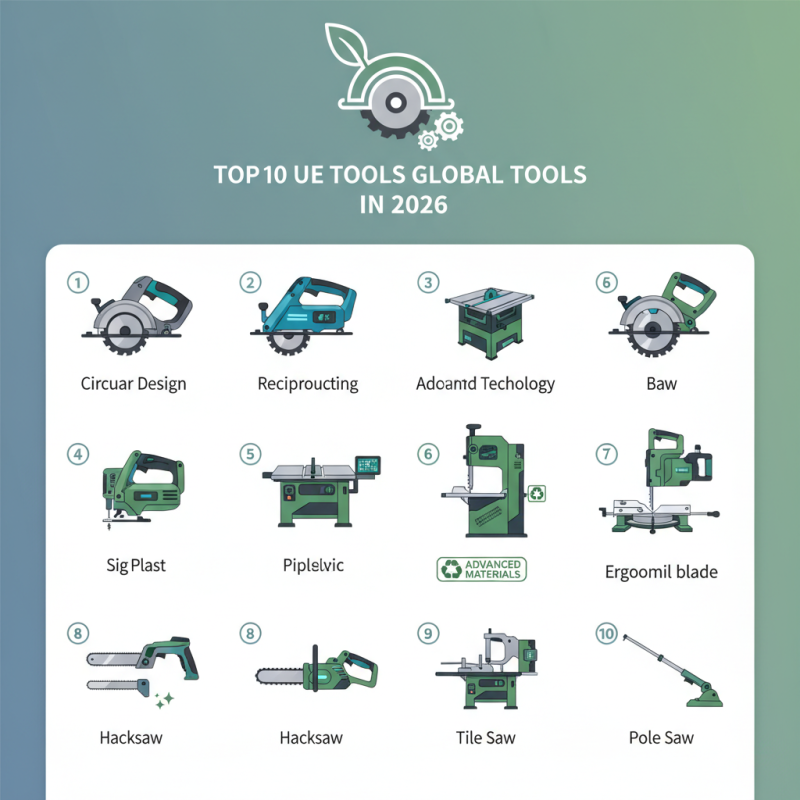
Top 10 Saw Tools for Global Buyers in 2026
| Rank |
Tool Type |
Power Source |
Cutting Capacity (mm) |
Weight (kg) |
Price Range (USD) |
| 1 |
Circular Saw |
Electric |
65 |
3.5 |
150 - 300 |
| 2 |
Band Saw |
Electric |
200 |
8.0 |
200 - 500 |
| 3 |
Jigsaw |
Electric |
30 |
1.5 |
50 - 150 |
| 4 |
Table Saw |
Electric |
75 |
15.0 |
300 - 800 |
| 5 |
Reciprocating Saw |
Electric/Battery |
150 |
3.0 |
100 - 250 |
| 6 |
Miter Saw |
Electric |
67 |
5.5 |
200 - 400 |
| 7 |
Tile Saw |
Electric |
30 |
4.0 |
100 - 300 |
| 8 |
Scroll Saw |
Electric |
50 |
2.0 |
60 - 150 |
| 9 |
Chain Saw |
Gas/Electric |
300 |
4.5 |
200 - 600 |
| 10 |
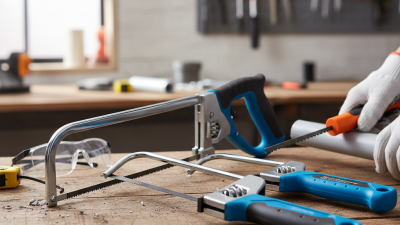
Hand Saw |
Manual |
100 |
0.5 |
10 - 30 |
Key Features to Consider When Selecting Saw Tools
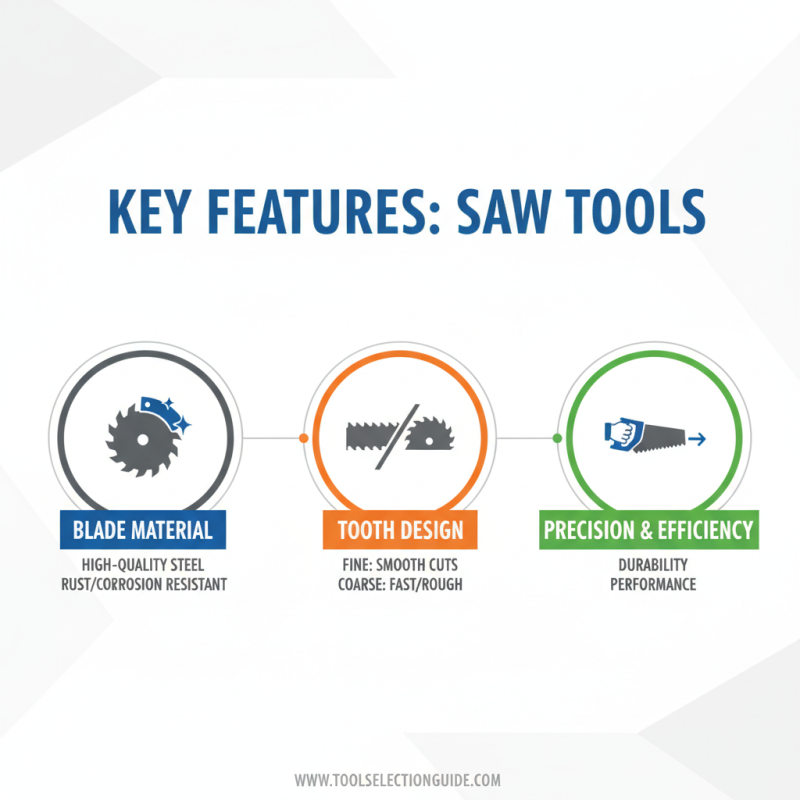
When selecting saw tools, several key features stand out. One crucial aspect is blade material. High-quality steel ensures durability and consistent performance. Look for options that offer resistances, such as rust or corrosion. A well-crafted blade can enhance cutting precision and efficiency. Consider also the tooth design. Different shapes serve various cutting requirements. A fine-toothed blade is ideal for smoother cuts. Coarse-toothed blades excel at faster, rough cuts.
Another aspect is the tool's power source. Electric saws often deliver higher speeds and efficiency. However, manual options allow greater control and precision. Personal experience varies; some prefer electric for big projects, while others praise hand-operated tools for detail work. Weight and ergonomics are equally important. A comfortable grip leads to better control and reduces fatigue over extended use. Many buyers overlook these factors until too late.
Portability can be essential for those on job sites or moving between tasks. Compact designs enhance practicality but may compromise power. Assess the balance between portability and performance. Ensure that accessories, like blades and batteries, are readily available. This can simplify maintenance and prolong tool life. Remember to think about safety features. Built-in guards and automatic shut-off mechanisms help prevent accidents. Prioritizing safety will enhance your overall experience with saw tools.
Top 10 Saw Tools: A Detailed Review of Each Tool
In 2026, the saw tool market is expected to evolve significantly. As global buyers look for reliable and efficient tools, understanding key features is crucial. Professional forecasts indicate a growing demand for both manual and power saws, with market growth rates projected at around 5% annually over the next few years.
When choosing saw tools, consider factors such as durability, precision, and ease of use. For instance, tools with ergonomic designs reduce user fatigue during prolonged usage. Data from industry reports show that saws with improved blade technology can enhance cutting efficiency by 30%. It's essential to analyze the materials used in saw construction, as this impacts longevity and performance.
**Tip:** Always check for safety features, such as blade guards and safety switches. Such features significantly lower the risk of accidents. Additionally, varying cutting speeds cater to different materials, a critical aspect to remember.
**Tip:** User reviews and ratings play a vital role when selecting tools. They provide insights into real-world performance, helping buyers make informed decisions. Emphasizing personal experiences often reveals hidden strengths or weaknesses in saw tools that professional reviews might overlook.
Market Insights: Global Demand and Supply of Saw Tools
The global demand for saw tools is expected to rise significantly by 2026. As industries expand, professionals seek quality tools that enhance precision and efficiency. The trends show an increasing interest in eco-friendly materials. This shift reflects a growing awareness among consumers about sustainable sourcing.
When selecting saw tools, consider the cost and quality balance. It's easy to be swayed by low prices, but they often come with hidden costs. Sometimes, cheaper tools do not perform well, leading to frustration and wasted resources. Proper research into tool features is essential, especially for professionals who rely heavily on their equipment.
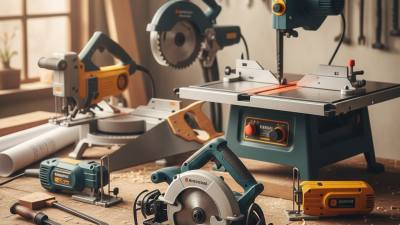
It’s wise to read reviews and gain insights from industry experts. Familiarize yourself with the types of saw tools available in the market. Circular saws, jigsaws, and reciprocating saws each serve specific purposes. Understanding these differences can prevent costly mistakes. Engaging with communities or forums can also provide valuable firsthand experiences. This knowledge helps you make informed decisions and avoid common pitfalls. Your choices today shape your productivity for years.
Tips for Buyers: Ensuring Quality and Value in Saw Tool Purchases
When purchasing saw tools, quality and value are paramount. Buyers must look for reliable materials and sturdy construction. Tools should endure rigorous usage without compromising performance. Always consider the longevity of the tool. A durable saw can save money in the long run. It's essential to check the specifications carefully.
Another vital aspect is the tool's compatibility with your projects. Not all saws are suitable for every task. Understanding your needs ensures that your purchase is worthwhile. Additionally, buyers should examine customer reviews. Feedback from other users can reveal common issues or advantages. Feeling overwhelmed? It’s normal. Consider asking for expert opinions.
Lastly, don’t ignore the importance of warranty and support. Quality brands often offer robust warranties. This indicates their confidence in the product. Remember, even a high-quality tool might have flaws. Assessing the after-sales support can provide peace of mind. The journey to finding the perfect saw tool requires patience and diligence.