2026 Top Saw Discs for Precision Cutting and Project Efficiency?
In the dynamic world of woodworking and construction, choosing the right tools is vital. Saw discs play a crucial role in ensuring precision during cutting tasks. Notably, experts like Mike Johnson, a leading figure in the saw disc industry, stress, "The right saw disc can make or break a project's efficiency."
With the rise of innovative saw disc technologies, understanding their nuances is essential for craftsmen and DIY enthusiasts alike. Precision cutting requires more than just a blade; it demands a quality disc tailored for specific materials. Many users struggle with selecting the appropriate type, often leading to inefficiencies and frustration.
Exploring the top saw discs of 2026 reveals significant advancements in design and materials. These innovations promise enhanced cutting accuracy and improved longevity. However, the choices can be overwhelming. Users must reflect on their specific needs aligning with project demands for optimal results. This careful consideration ensures that the investment in high-quality saw discs pays off in the long run.
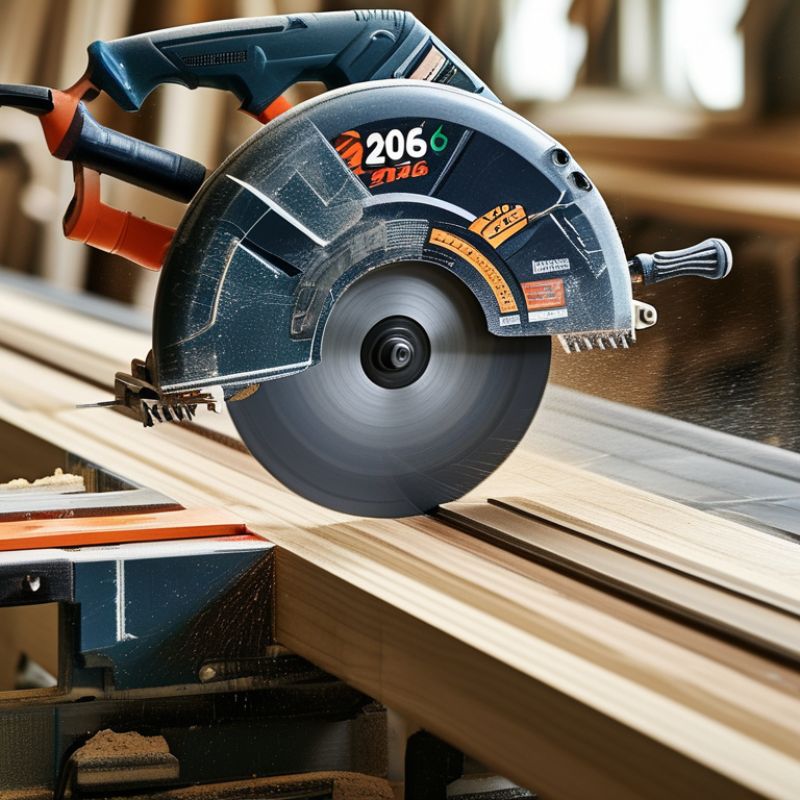
Top Features to Look for in Precision Saw Discs
When selecting saw discs for precision cutting, several key features influence project efficiency. The material of the blade plays a crucial role. Most professionals favor carbide-tipped blades due to their durability and resistance to wear. A report by the Cutting Tool Institute states that blades with carbide tips have a lifespan 50% longer than standard steel blades.
The design of the tooth shape also impacts cutting performance. A recent study highlights that blades with alternate top bevel (ATB) teeth enable smoother cuts in wood. This design reduces splintering, making it ideal for finish work. Conversely, a flat-top grind (FTG) is better suited for cutting materials like laminate. Understanding these characteristics can lead to better results.
Additionally, the tooth count must be considered. A higher tooth count provides finer cuts but increases heat buildup. Industry experts suggest a balanced approach is best. Use a lower tooth count for faster cuts in softer materials and a higher count for precision in hardwoods. The adaptability of the saw disc in various tasks will influence overall project outcomes, pointing to the need for careful selection based on specific project requirements.
Types of Materials and Their Suitability for Different Saw Discs
When selecting saw discs, considering the material type is crucial for project success. Different materials demand specific saw disc characteristics. For instance, wood requires sharp teeth and a fine kerf for clean cuts. A suitable disc can enhance efficiency in woodworking by minimizing splintering. However, not all wood discs are created equal. The blade's geometry impacts performance, and sometimes, it might not deliver as expected.
For cutting metal, carbide-tipped saw discs shine. They provide durability and precision in cutting through tougher surfaces. Yet, some users overlook the heat generated during cutting. Excessive heat can lead to disc wear and inaccurate cuts. A user might need to pause frequently, which can disrupt workflow.
Another critical factor is the cutting depth required. Thicker materials challenge even the best discs. Users often underestimate the effort needed to master deep cuts. In some cases, a disc meant for a thinner material will perform poorly, requiring an adjustment in strategy. Understanding these aspects helps in making informed decisions, ultimately leading to better project outcomes.
2026 Top Saw Discs for Precision Cutting
Comparative Analysis of the Best Saw Discs for 2026
When selecting saw discs for precision cutting, several factors come into play. The right blade can enhance efficiency and create smoother finishes. Key features include the tooth design, material quality, and the intended application. Each of these factors contributes to overall performance and durability, making them essential for project success.
Many users overlook the importance of matching the saw disc to the material being cut. For instance, a disc designed for wood may not perform similarly on metal or composite materials. As a result, mismatches occur, leading to subpar cuts and wasted materials. This can cause frustration, especially in complex projects where accuracy is paramount.
Moreover, the choice of saw disc thickness impacts the cutting experience. Thinner discs may provide a cleaner cut but can wear out quickly. Thicker discs are more durable but may create more friction and heat. Users often struggle to find the right balance. Understanding these nuances can elevate your project’s precision and efficiency. Engaging with expert reviews and comparative analyses enhances your decision-making process. Each project may provide different demands, urging a thoughtful approach towards the selection of saw discs.
Maintenance Tips for Extending the Life of Saw Discs
Maintaining saw discs is crucial for maximizing their lifespan and effectiveness. Regularly cleaning saw discs helps remove debris and resin buildup. This simple task can enhance cutting efficiency. Use a soft brush or clean cloth to wipe the surface gently. Avoid harsh chemicals, as they can damage the disc.
Proper storage also plays a vital role. Store saw discs in a dry and cool environment. Moisture can lead to rust, affecting cutting precision. Hanging the discs or placing them in a protective case can prevent physical damage. Keeping them organized reduces the risk of accidents.
Another important aspect is checking the alignment. Misaligned discs can wear unevenly. Ensure that the saw is adjusted correctly before use. This attention to detail will help maintain balance and precision during cutting. Regular checks can reveal wear and tear before it affects performance. Each of these small practices contributes to better project efficiency and accuracy in your tasks.
User Reviews and Recommendations for Optimal Project Efficiency
When it comes to precision cutting, user feedback plays a crucial role. Many users highlight the importance of blade sharpness and material quality. A saw disc that dulls quickly can ruin a project. Plus, inconsistent cuts can lead to wasted materials and time. Real users often recommend investing in higher-quality discs, even if they come at a premium.
Another common theme in reviews is the disc's durability. Users regularly mention how often they need to replace blades. Some have found discs that last much longer than others. However, even highly-rated products sometimes fail to meet expectations in tough materials. This can be frustrating for both novice and experienced users. Many recommend trying different types of discs to find the one that works best for specific projects.
Ultimately, optimizing project efficiency involves more than just the right equipment. User experiences show that practice and learning from mistakes are vital. A blade that performs well for one task may not excel in another. Therefore, understanding your project requirements becomes essential. Balancing quality and cost while considering user experiences can lead to better results.
2026 Top Saw Discs for Precision Cutting and Project Efficiency
| Model |
Diameter (inches) |
Material |
Teeth Count |
User Rating (out of 5) |
Best For |
| Model A |
10 |
Carbide-tipped |
80 |
4.7 |
Wood, Plastic |
| Model B |
12 |
Diamond |
60 |
4.5 |
Concrete, Tile |
| Model C |
8 |
High-Speed Steel |
40 |
4.6 |
Metal |
| Model D |
14 |
Carbide-tipped |
100 |
4.8 |
Hardwood |
| Model E |
16 |
Aluminum |
50 |
4.9 |
Aluminum Sheets |