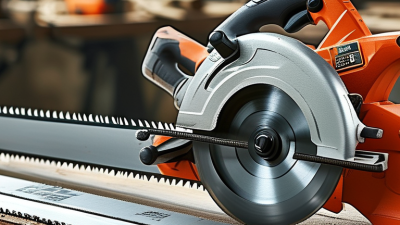
How to Choose the Right Saw Discs for Your Cutting Needs?
Choosing the right saw discs can significantly impact your cutting tasks. As noted by industry expert John Frazier, “The right saw disc transforms the quality of your work.” With countless options available, selecting the correct disc is not always straightforward.
Understanding your specific needs is crucial. Different materials require distinct saw discs. For instance, wood, metal, and concrete all demand varying teeth configurations and materials. A common mistake is to overlook the material compatibility when choosing saw discs. This can lead to inefficiencies and poor results. Carefully assess each task before making a decision.
Additionally, let’s consider the importance of safety. The improper selection of saw discs can lead to accidents. Regularly inspect your tools to ensure they are in optimal condition. This proactive approach may prevent costly mistakes. Balancing quality and budget in your selection is vital as well. The effort put into selecting the right saw discs can save both time and frustration in the long run.
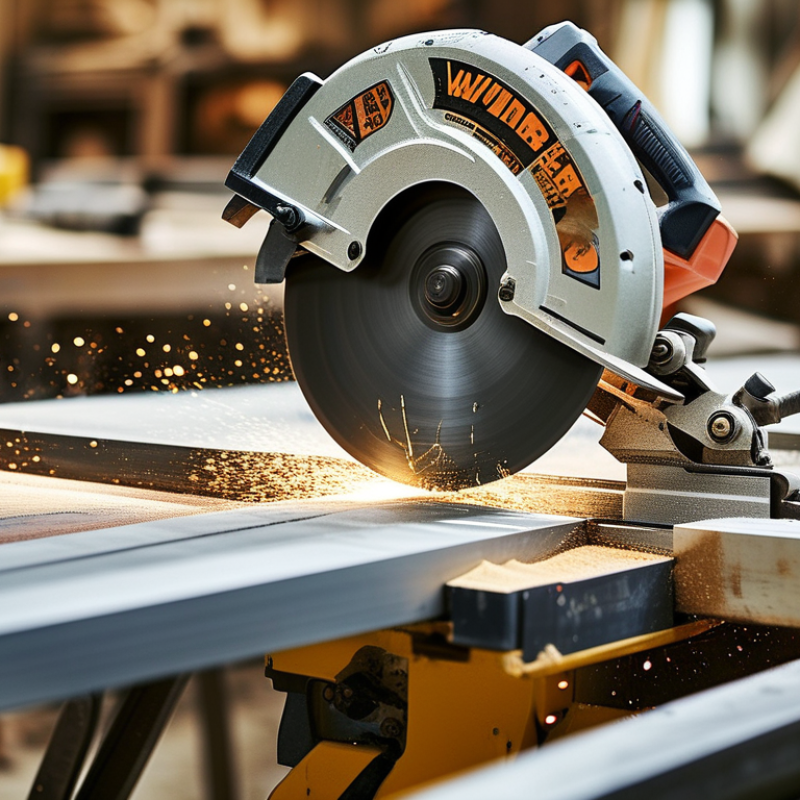
Understanding Different Types of Saw Discs and Their Applications
Choosing the right saw discs can be challenging. The market offers various types designed for specific materials. Understanding these differences is crucial for effective cutting.
Diamond saw discs are ideal for hard materials like stone or concrete. They provide smooth cuts and durability, making them suitable for heavy-duty tasks. Meanwhile, carbide-tipped discs work well on wood and plastics. Their sharp teeth ensure clean edges and swift performance.
An often overlooked option is the multi-material disc. This versatile tool can handle wood, metal, and plastic. Although it lacks the specialization of others, it’s handy for diverse projects. Reflecting on your typical cutting tasks can guide you in selecting the most appropriate saw disc. Think about the materials you frequently work with and the results you wish to achieve.
Factors to Consider When Choosing Saw Discs for Specific Materials
Choosing the right saw discs can significantly impact your cutting tasks. Different materials require specific types of discs for optimal results. When selecting saw discs, consider the material you are cutting. Hard materials like metal or concrete need tougher, more durable discs. Softer materials like wood can be cut with standard blades.
Tip: Always check the disc’s RPM rating. Matching it with your saw's speed is essential for safety and effectiveness. Overrevving a disc can lead to dangerous breakage.
The thickness of the material is another crucial factor. Thicker materials require thicker discs for stability. Thin discs can warp and create uneven cuts. Additionally, consider the tooth count of the disc. Higher tooth counts provide smoother finishes but cut slower. In contrast, fewer teeth allow for faster cuts, but may leave a rougher edge.
Tip: Experiment with different discs on scrap material. This practice helps you gain insights into how each disc performs. It also helps refine your technique for various materials. Stay patient; finding the perfect disc might require some trial and error.
How to Choose the Right Saw Discs for Your Cutting Needs
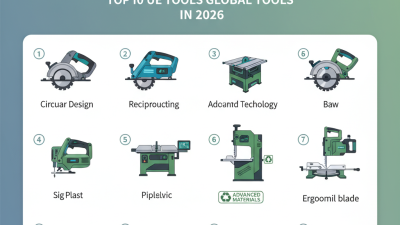
This chart displays the recommended saw disc types for various materials based on their cutting requirements.
Evaluating Saw Disc Specifications: Diameter, Teeth, and Arbor Size
When selecting saw discs, understanding specific specifications like diameter, teeth, and arbor size is crucial. The diameter directly impacts the cutting depth and speed. For instance, larger discs, typically over 10 inches, are favored for cutting thicker materials like hardwoods or metal, offering more stability. According to industry data from the Cutting Tool Institute, using the correct diameter can enhance cutting efficiency by up to 30%.
Teeth configuration also plays a vital role in performance. Fewer teeth, such as 24, allow for faster cuts through soft woods. Conversely, more teeth, like 80, deliver smoother finishes on plywood and laminate. A study by the Woodworking Machinery Industry Association indicates that saw discs with the right tooth count can reduce splintering by approximately 15%.
Lastly, the arbor size, often overlooked, ensures compatibility with your saw. A mismatched arbor can lead to safety hazards and poor performance. Industry reports highlight that using the correct arbor size minimizes vibration, enhancing both precision and safety during operation. Therefore, evaluating these specifications momentarily can lead to costly errors in your projects. Proper diligence in choosing the right saw disc can substantially improve your cutting outcomes.
Comparing the Cost and Quality of Various Saw Disc Brands
When comparing saw disc brands, cost and quality play crucial roles. Industry reports indicate that cheaper discs often compromise on durability and precision. For instance, a study by the Cutting Tools Institute found that quality saw discs can last up to three times longer than lower-priced options. This longevity can result in significant savings over time.
Quality is not solely about thickness or material. It involves the manufacturing process and the technology used. Advanced designs can reduce friction and provide cleaner cuts. A detailed analysis in the Journal of Manufacturing Science highlighted that premium discs yield smoother finishes, reducing the need for secondary processes. Inaccurate measurements can lead to poor cut quality. Lower-quality discs often lead to jagged edges, resulting in wasted materials and time.
However, it’s important to note that higher prices do not always guarantee superior quality. Some brands may charge significantly more without offering noticeable benefits. Users should evaluate their cutting needs. Investigating user reviews and performance comparisons can provide insights. Cost-effectiveness often lies not in the initial purchase price but in the overall value considering performance and lifespan.
Tips for Maintaining and Replacing Saw Discs for Longevity and Efficiency
Maintaining your saw discs properly can extend their lifespan significantly. Regularly check for wear and damage. Small nicks on the surface can lead to bigger issues down the line. Replace discs that show signs of excessive wear. This prevents more serious damage to both the saw and your workpieces.
Cleaning the saw discs is crucial. Dirt and resin build-up can affect performance. Use a soft brush and appropriate cleaner to keep them in top condition. Make it a habit to inspect the discs after each use. This practice helps catch problems early. Check alignment and ensure they are mounted securely.
When it’s time to replace a disc, consider your cutting needs. Different materials demand different disc types. A wrong choice can lead to inefficiencies. It's not always obvious which disc suits your task best. Researching or consulting with experienced users can provide valuable insights. Listen to feedback, but also trust your own experiences. Each project teaches something new.