Top Hacksaw Blades for Every DIY Enthusiast and Professional User?
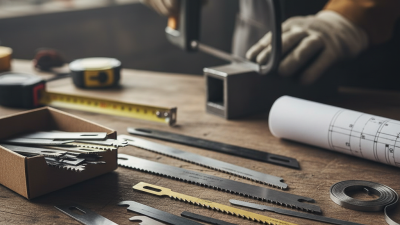
Choosing the right hacksaw blades is crucial for both DIY enthusiasts and professional users. These tools can greatly influence the quality of your work. A durable hacksaw blade ensures cleaner cuts and increases efficiency.
Understanding the different types of hacksaw blades available is essential. Options vary in terms of tooth count, material, and design. Selecting the wrong blade can lead to frustration. An ineffective blade may break or wear down quickly, wasting both time and money.
For anyone passionate about crafting or construction, investing in good hacksaw blades is a wise decision. They are an often-overlooked tool that can significantly impact your projects. This guide aims to highlight top selections that cater to diverse needs. By focusing on quality and specifications, you can make an informed choice for your next project.
Essential Factors to Consider When Choosing Hacksaw Blades
When selecting hacksaw blades, it’s crucial to consider several factors to ensure optimal performance. The type of material you intend to cut—metals, plastics, or wood—greatly influences your choice. For instance, a study by the American National Standards Institute suggests that blades with higher tooth counts are more effective for thinner materials, while those with fewer teeth are better for tougher materials.
Blade material is another essential consideration. Bi-metal blades, for example, have a longer lifespan and can withstand higher temperatures compared to standard steel blades. This durability comes into play for professionals and DIY users alike, who may be cutting through a range of thicknesses and materials. According to industry reports, users have noted up to a 50% increase in lifespan with proper blade selection.
The tension of the blade is also significant. Insufficient tension can lead to bending and breakage, quickly rendering your efforts ineffective. In fact, a survey indicated that nearly 30% of users experienced blade failure due to inadequate tension. Regularly checking and adjusting tension can save time and resources. Each of these factors can dramatically impact your project’s results, requiring thoughtful selection and adjustment.
Top Hacksaw Blades for Every DIY Enthusiast and Professional User
| Blade Type |
Material |
Teeth Per Inch (TPI) |
Ideal For |
Usage |
| High Carbon Steel |
Carbon Steel |
14 |
Wood, PVC |
General Cutting |
| Bimetal Blade |
HSS & Carbon Steel |
24 |
Metal, Thin Sheet Metal |
Precision Cutting |
| Diamond Blade |
Diamond Coated |
12 |
Ceramics, Glass |
Specialized Cutting |
| Bi-metal Hacksaw |
Bimetal |
18 |
Aluminum, Copper |
Heavy-Duty Cuts |
| Flexible Blade |
High Carbon Steel |
10 |
Plastic, Pipes |
Curved Cuts |
Types of Hacksaw Blades: Carbon, Bi-metal, and High-Speed Steel
When selecting a hacksaw blade, the material significantly impacts performance. Three common types include carbon, bi-metal, and high-speed steel.
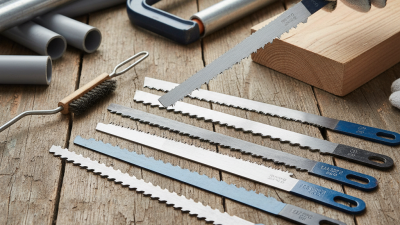
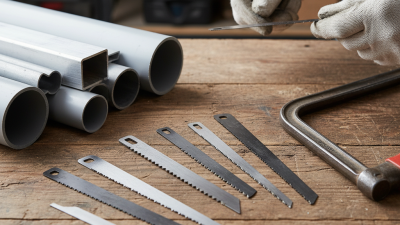
Carbon blades are popular for their cost-effectiveness. They are best suited for cutting softer metals and plastics. However, they can dull quickly when used on harder materials. Bi-metal blades combine high-speed steel teeth with a flexible carbon body. This design enhances durability and cutting precision, making them ideal for various applications. High-speed steel blades offer exceptional hardness. They excel in cutting tough materials but may require a more careful handling approach.
Tips: Choose the blade type based on your specific project needs. For heavier tasks, opt for bi-metal or high-speed steel. Regularly inspect blades for wear and replace them as needed. Dull blades can lead to frustration and poor cuts.
Consider the tooth count, too. A finer tooth count offers cleaner cuts but requires patience. Coarser teeth cut faster but may leave a rougher finish. Balancing speed and quality is essential.
Top Recommended Hacksaw Blades for DIY Projects
Choosing the right hacksaw blade can make or break your DIY project. Different tasks require specific blades for optimal performance. For cutting metal, a blade with 18 teeth per inch (TPI) is ideal. It allows for smooth cuts without excessive effort. For wood, a blade with fewer teeth, around 10 TPI, works better. This ensures quick and efficient cuts.
When selecting a hacksaw blade, consider the material you are cutting. Blades vary in thickness and tooth configuration. A thicker blade will provide more rigidity, which is great for tougher materials. However, it may be less agile for intricate cuts. A thinner blade is more flexible but can bend under heavy pressure. Balancing these factors based on your project can be tricky.
Moreover, not all hacksaw blades are created equal. Some might dull after only a few cuts, while others remain sharp longer. You might find yourself frequently replacing blades, leading to frustration and higher costs. Research user reviews and expert recommendations to find reliable options. This can improve your experience and save time in the long run. The right choice will enhance your projects and help you achieve better results.
Best Hacksaw Blades for Professional Applications
When it comes to professional applications, selecting the right hacksaw blade is crucial. According to a study by the Materials and Manufacturing Institute, a significant percentage of professionals find the material and tooth design of blades impacts cutting efficiency. Blades made from high-speed steel (HSS) typically offer superior durability and endurance compared to carbon steel counterparts. For professional users cutting metal or thick materials, a blade with finer teeth ensures smoother cuts and reduces the chances of material splintering.
Industry reports indicate that improper blade selection can lead to inefficiencies. A blade that is too coarse for the material may result in unnecessary wear. Furthermore, professionals note that blades should be frequently assessed and replaced based on usage. Regular maintenance practices, although sometimes overlooked, can dramatically affect cut quality. Many professionals often admit that neglecting this aspect leads to more time spent on corrections rather than actual work.
Choosing the right width and tooth count also plays a vital role. For metalwork, a blade with a tooth count between 18 and 24 teeth per inch is often recommended. However, comfort and grip during use can vary significantly from user to user, affecting overall performance. Professionals should take time to experiment with different options to identify the best fit for their specific tasks, ensuring they are not compromising efficiency for comfort.
Top Hacksaw Blades Comparison for DIY Enthusiasts and Professionals
Maintenance Tips for Prolonging the Life of Hacksaw Blades
Hacksaw blades are essential tools for any DIY enthusiast or professional. To get the most out of these blades, proper maintenance is crucial. Regular cleaning can significantly prolong their lifespan. Dust and debris can affect cutting performance. Using a soft brush or cloth after each use helps keep the blades clear.
Proper storage also plays a vital role. Blade exposure to moisture can lead to rust, reducing effectiveness. Store blades in a dry place, away from humidity. Some reports indicate that well-maintained blades can last up to three times longer than those that are neglected. It's worth noting that dull blades can cause accidents and increased fatigue.
Monitoring blade tension is essential too. Too tight or too loose can lead to premature wear. A loose blade does not cut efficiently; it can warp if it doesn’t have enough tension. Regularly checking these aspects of maintenance can save time and money. Industry studies reveal that poor blade management can result in 20% more wasted material, underscoring the importance of routine care.