Top 10 Wall Hole Saws for Precision Drilling Needs?
When it comes to precision drilling, a Wall Hole Saw is an essential tool. These saws enable clean and accurate cuts in various materials, making them indispensable for construction and renovation projects. Whether you're a DIY enthusiast or a professional contractor, choosing the right Wall Hole Saw can greatly influence your work quality.
In this article, we will explore the top 10 Wall Hole Saws available today. Each selection is based on factors such as durability, ease of use, and cutting performance. Precision is crucial in drilling. The wrong saw can lead to messy results and wasted resources. With the right information, you can make an informed choice.
Understanding the features of Wall Hole Saws is key. Consider the material, size, and design tailored to your specific needs. Choosing a high-quality saw might cost more upfront, but it ensures reliability and precision. The goal is to achieve the best results with minimal frustration. Your drilling projects deserve the best tools available.
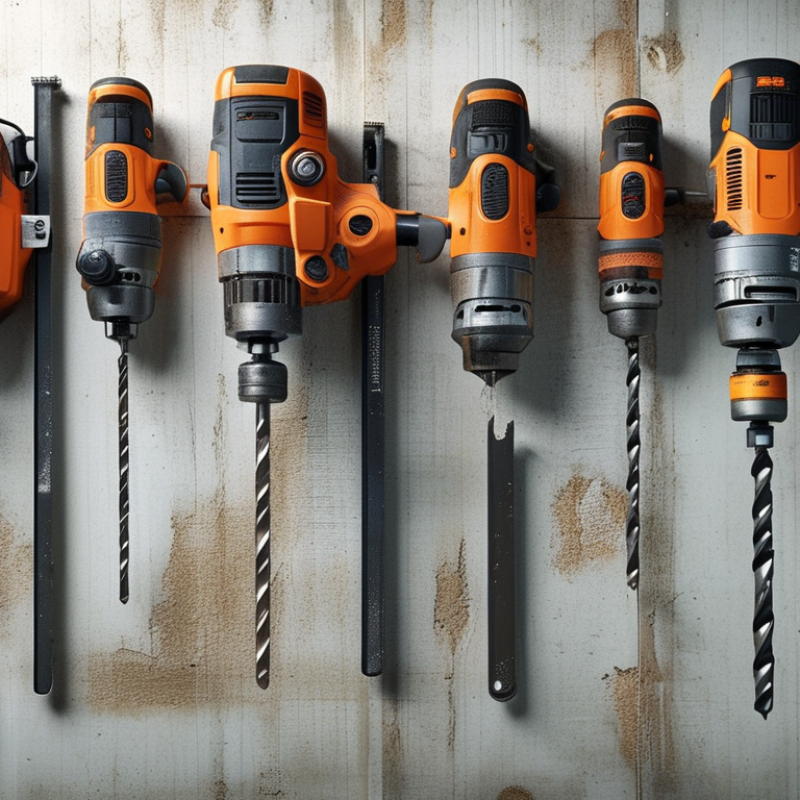
Top Criteria for Choosing the Right Wall Hole Saw for Precision
When selecting a wall hole saw for precision drilling, several factors should be prioritized. The material and design of the saw are critical. According to a report from the International Journal of Construction Engineering and Management, high-speed steel and carbide-tipped saws provide the best durability and cutting efficiency. These materials are essential for professional-grade tools, ensuring longer life and fewer replacements.
Another vital criterion is the diameter range of the saw. The diverse needs in construction projects require different size options. Studies show that a wall hole saw with variable diameter capabilities enhances versatility. Furthermore, handle grip and ergonomics influence user comfort and precision. A poorly designed grip can lead to drill slippage, compromising accuracy.
Lastly, ensure the compatibility with different drills. Some wall hole saws may not fit all drill brands or types. Research indicates that mismatched tools can lead to dangerous situations and less effective drilling. A precise fitting ensures safety and operational efficiency. Always consider these aspects to make informed decisions for your drilling tasks.
An Overview of Different Types of Wall Hole Saws Available on the Market
When it comes to precision drilling, wall hole saws are essential tools. These saws come in various designs and sizes. Each type serves different purposes, catering to a range of materials and drilling requirements. Understanding these differences is crucial for achieving efficient results.
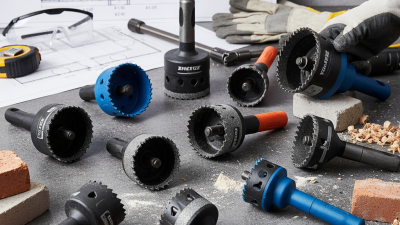
Bi-metal hole saws are popular for their durability. They combine high-speed steel with a tough backing material. This design allows them to drill through wood and metal easily. Diamond-coated saws are ideal for harder surfaces. They excel in drilling through materials like concrete and stone. The advantage of diamond teeth is their resistance to wear and tear.
It’s worth mentioning that not all hole saws perform as expected. Some may struggle with thicker materials or create excessive damage. Users should be cautious and consider the specific needs of their projects. Researching user experiences can highlight potential drawbacks. Understanding the right choice leads to better results, ensuring precision and reliability in drilling tasks.
Top 10 Wall Hole Saws for Precision Drilling Needs
| Type |
Diameter (inches) |
Material |
Cutting Depth (inches) |
Best Use |
| Bi-Metal Hole Saw |
1.5 |
High-Speed Steel |
2.0 |
Wood and Metal |
| Diamond Core Bit |
2.5 |
Diamond-Coated |
4.0 |
Concrete and Masonry |
| Carbide Tipped Hole Saw |
3.0 |
Carbide |
3.0 |
Tile and Brick |
| Hole Saw with Arbor |
1.0 |
Steel |
1.5 |
General Purpose |
| Extra Long Hole Saw |
4.5 |
High-Speed Steel |
5.0 |
Deep Cuts |
| Holesaw for Metal |
2.0 |
Bi-Metal |
3.0 |
Sheet Metal and Aluminum |
| Wood Hole Cutter |
2.5 |
High-Speed Steel |
2.0 |
Wood Applications |
| Tile Drill Bit |
1.0 |
Diamond |
1.5 |
Ceramic and Porcelain |
| Deep Well Drill |
3.0 |
Steel |
6.0 |
Industrial Use |
| Heavy Duty Hole Saw |
2.0 |
Bi-Metal |
3.0 |
Construction and Renovation |
Comparative Analysis of Material Durability in Wall Hole Saws
When selecting wall hole saws, material durability is a key factor. Most common materials include high-speed steel (HSS), carbon steel, and carbide-tipped options. HSS is known for its strength and resistance to heat, making it reliable for various materials. Carbon steel offers good performance but lacks longevity compared to HSS. Carbide-tipped saws provide excellent durability and can tackle tougher surfaces.
Analyzing the durability of these materials reveals some inconsistencies. Users often report mixed experiences with carbon steel; while it's affordable, it can dull quickly under heavy use. HSS usually stands out in terms of lifespan but may struggle with harder surfaces. Carbide-tipped saws shine when precision is crucial, yet they come with higher costs. It’s crucial to weigh these aspects based on your specific drilling needs, as not all projects require the most durable option. Remember, the experience will vary based on how often and under what conditions you use these saws.
Key Features to Look for in High-Performance Wall Hole Saws
When selecting a wall hole saw, consider the material and design. High-performance saws are typically made from high-speed steel or carbide-tipped materials. These materials enhance durability and precision. A versatile saw should handle various wall types, whether it's drywall, wood, or masonry. Look for a bi-metal design for added strength and cutting efficiency.
Cutting depth is another critical feature. It affects how deep you can drill into a surface. Some saws have adjustable depths. This flexibility allows for customization based on your project needs. Additionally, observe the tooth configuration. Sharp, well-spaced teeth ensure efficient cutting and minimize binding.
Don't overlook the size options available. A range of sizes caters to different hole requirements. Users often forget to match the saw size with the task at hand. Check for user-friendly features like pilot bits. These ensure precise starts and help maintain the saw's position. Performance may vary, leading to unexpected challenges. Proper maintenance and selection are key to achieving optimal results.
User Reviews and Recommendations for the Best Wall Hole Saws
When it comes to drilling precision holes in walls, choosing the right hole saw can make all the difference. User reviews highlight several key features that define the best wall hole saws. Many users emphasize the importance of durability. A sturdy saw can withstand frequent use without dulling quickly. This not only saves time but also ensures clean, accurate cuts.
Additionally, experts recommend checking the teeth design. Saw blades with unique tooth patterns can improve cutting efficiency and reduce friction. Some users have reported that certain models struggle with tougher materials, which creates frustration. It's essential to match the saw type with the materials you plan to drill into.
Many users also comment on the ease of use. A good wall hole saw should be user-friendly. Some saws have features like quick attachment mechanisms that boost convenience. However, it’s crucial to be mindful of safety. Wearing protective gear is a must, regardless of the saw's quality. Overall, user feedback showcases the vital balance between efficiency and safety in selecting wall hole saws.