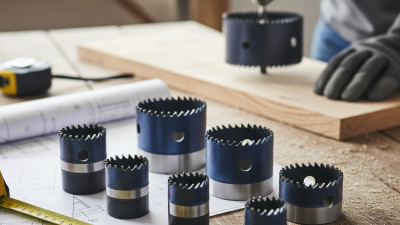
Why Choose Carbide Hole Saw for Your Next Project?
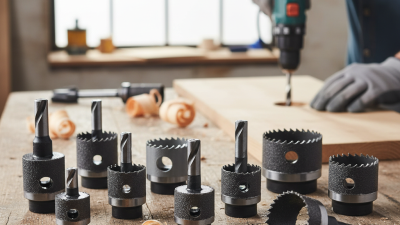
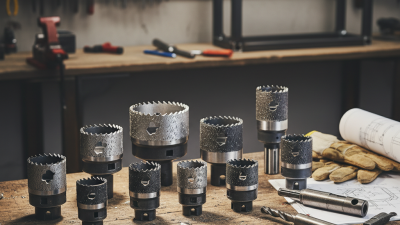
When tackling your next project, choosing the right tools is crucial. A Carbide Hole Saw stands out as a reliable option for various applications. Its durability and effectiveness in cutting through tough materials make it a favorite among professionals and DIY enthusiasts alike.
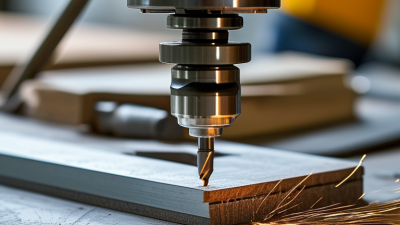
Unlike traditional hole saws, a Carbide Hole Saw can handle dense substances like ceramic and metal with ease. This capability increases efficiency, minimizing the need for multiple tools. However, some users may find the initial cost higher than standard options. Yet, the long-term performance and longevity usually justify this investment.
Moreover, proper usage is key to maximizing the benefits of a Carbide Hole Saw. A careful approach can yield excellent results, even if you initially struggle with the technique. It’s important to reflect on your experiences and adapt your methods. Ultimately, the right choice can make a significant difference in the outcome of your project.
Benefits of Using Carbide Hole Saws in Construction Projects
Carbide hole saws have gained popularity in construction due to their durability and efficiency. These tools are designed for cutting through tough materials like metal, wood, and masonry. This versatility allows builders to tackle a variety of tasks without needing multiple tools. Carbide construction means they can handle high temperatures, reducing wear over time. This saves both time and money on projects.
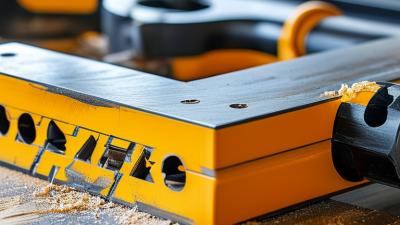
Using a carbide hole saw can increase precision in drilling. Their design helps to minimize the chances of chipping or splintering, especially on sensitive materials. The smooth cutting action leads to cleaner holes, which is crucial in professional construction settings. Additionally, they often require less force to operate, making them easier to handle for long periods. Yet, while they offer significant benefits, proper technique is still essential. Misusing the hole saw can lead to ineffective cuts or damage to the tool.
Though carbide hole saws are reliable, they require maintenance. Cleaning and storing them properly is critical for longevity. Users sometimes overlook this aspect, leading to premature wear. Understanding when to replace them is equally important. Regular inspection ensures that projects remain on schedule and quality doesn’t suffer. Awareness of these factors can significantly impact overall project success.
Benefits of Using Carbide Hole Saws in Construction Projects
This chart illustrates the key benefits of using carbide hole saws in construction projects, highlighting their efficiency, durability, cost-effectiveness, and versatility compared to standard hole saws.
Comparison of Carbide Hole Saws vs. Traditional Hole Saws
When comparing carbide hole saws to traditional hole saws, several key differences emerge. Carbide hole saws are designed for durability and precision. They can cut through harder materials like metal and masonry with ease. Traditional hole saws may struggle with these tougher materials, leading to quicker wear and tear.
The cutting edge of carbide hole saws lasts significantly longer. This longevity means fewer replacements and less downtime during your project. However, the initial investment can be higher. It raises the question of whether the added cost is justifiable in every situation. For lighter tasks, traditional saws might suffice, yet they could result in more frequent replacements.
Consider your material and job requirements carefully. If you plan to tackle tough materials regularly, carbide is likely the better choice. However, for occasional use, traditional models may be adequate. There’s a balance to strike between cost and effectiveness. A thoughtful approach ensures the right tool for each specific application.
Durability and Lifespan of Carbide Hole Saws: Industry Standards
When it comes to construction tools, durability is key. Carbide hole saws excel in this area. They resist wear and tear better than traditional tools. This is essential for any project requiring precision and longevity. The tough material allows for cutting through metal, wood, and other tough materials effortlessly.
Industry standards hold carbide hole saws in high regard. They have a longer lifespan compared to standard steel saws. This means fewer replacements over time, saving both time and money. However, even the best tools can fail under extreme conditions. Users should consider the specific demands of their projects. The initial investment in carbide may be higher but often pays off in performance and durability.
In selecting tools, balance is crucial. Not all projects require high-end equipment. Assessing your needs can lead to better choices. A tool that works perfectly for one situation may not suit another. It’s worth reflecting on past experiences with various materials and conditions. Understanding both strengths and limitations leads to smarter decisions in your next project.
Cost-Effectiveness of Carbide Hole Saws for High-Volume Cutting
Carbide hole saws are gaining popularity for high-volume cutting tasks. Their durability translates into fewer replacements and less downtime. When tackling numerous projects, every saved minute adds up. With the ability to cut through tough materials, carbide saws deliver consistent performance. They maintain sharpness longer than traditional options. This reduces the overall cost per cut, making them ideal for cost-conscious professionals.
While the initial investment may seem higher, long-term savings often outweigh this concern. Fewer changes and repairs mean less disruption in workflows. It’s essential to consider the total cost of ownership. However, some may hesitate due to upfront costs. Evaluating usage frequency can help determine whether they are right for your project. Are you ready to choose longevity over short-term expenses?
Additionally, carbide hole saws retain their cutting efficiency, resulting in cleaner holes. This reduced need for rework can significantly save both time and resources. Yet, no tool is perfect. Users should ensure they are using the correct technique to maximize effectiveness. Understanding the nuances of the material being cut is crucial. Ultimately, these saws can be a smart addition to your toolkit for high-volume applications.
Applications of Carbide Hole Saws in Various Industries
Carbide hole saws are increasingly popular across various industries due to their exceptional durability and precision. In construction, they play a vital role in cutting through hard materials like metal, hardwood, and drywalls. This versatility makes them invaluable for electricians who need to create clean openings for electrical installations. Operators enjoy the efficiency they bring to projects, reducing time and effort.
In manufacturing, carbide hole saws excel in creating precise holes for assembly. Their longevity means fewer replacements, which can lead to cost savings over time. However, some users may find the initial investment steep compared to standard saws. It’s essential to weigh the benefits of longer-lasting tools versus upfront costs. In the automotive sector, carbide hole saws are used to shape exhaust systems and other components. These applications require reliability under high-stress conditions, reinforcing the need for quality tools.
Despite their advantages, proper maintenance of carbide hole saws is critical. Users must regularly check for wear and tear, as neglect can lead to poor performance. Often, professionals overlook this, leading to frustrating project delays. Understanding the specific applications and care of these tools can significantly impact the overall outcome of a project. Each industry can benefit from the consistent quality that carbide hole saws provide, but only with careful attention to their use and upkeep.
Why Choose Carbide Hole Saw for Your Next Project?
| Industry |
Application |
Material Cut |
Advantages |
| Construction |
Drilling holes in concrete and masonry |
Concrete, Brick |
Durable, long life, efficient cutting |
| Manufacturing |
Creating precision holes for assembly |
Metal, Plastics |
High accuracy, reduced burrs |
| Automotive |
Drilling access holes in chassis |
Steel, Aluminum |
Efficient and clean cutting |
| Electrical |
Creating holes for wiring and fixtures |
Drywall, Wood |
Clean cuts, minimal dust |
| HVAC |
Drilling for ductwork and plumbing |
Sheet Metal, PVC |
Fast and easy cutting |