How to Choose the Best Saw Hole Cutter for Your Projects?
Choosing the right Saw Hole Cutter is crucial for the success of your projects. According to the U.S. Bureau of Labor Statistics, accurate cutting tools can improve efficiency by up to 30%. Selecting the proper cutter not only impacts productivity but also affects the final finish of your work. A suitable Saw Hole Cutter can enhance precision, minimize waste, and save you time in the long run.
Various factors influence your choice of a Saw Hole Cutter. Material compatibility is essential; not all cutters work well with every substrate. Reports indicate that using the wrong cutter can lead to premature wear and increased project costs. Additionally, cutter size and design must align with your specific project requirements. It's important to evaluate your needs carefully to avoid costly mistakes in the long run.
Some users may overlook the importance of brand reputation. Not all Saw Hole Cutters are created equal. Using a lesser-known brand might seem economical but can lead to disappointing results. Invest in reliable tools from reputable manufacturers to ensure quality and durability. Trustworthy resources emphasize the value of thorough research when selecting cutting tools to meet industry standards.
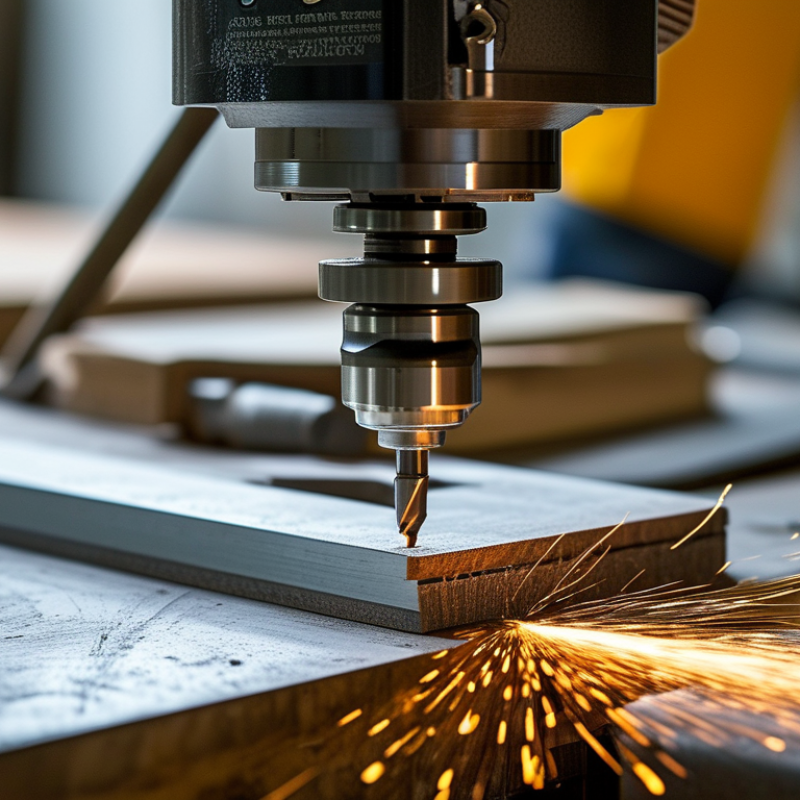
Understanding Different Types of Saw Hole Cutters Available in the Market
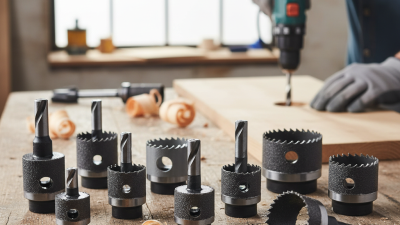
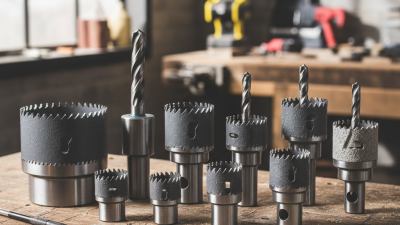
Choosing the right saw hole cutter can be overwhelming, especially with so many types available. Each type is designed for different materials and applications. For instance, bi-metal hole saws are effective for cutting metal. They provide long-lasting performance and precision. On the other hand, carbide-tipped hole cutters are ideal for tougher materials like ceramic tile. They deliver clean finishes but can be costlier.
The range of sizes is also important to consider. Smaller hole saws work well for pipes or electrical wiring. Larger sizes are suitable for vents or drains. It's easy to overlook compatibility with your drill. Ensure that the cutter fits your equipment properly to avoid mishaps. Some users might find maintenance a hassle, which can affect long-term usage. Regular cleaning and checking for wear can prevent frustration during projects.
Learning about each type's specific applications helps you make informed decisions. It might be tempting to choose based solely on price. However, investing time in understanding features can reduce errors later. Reflecting on previous experiences with different cutters can also guide your choice. Consider your project requirements before making a selection.
Key Factors to Consider When Selecting a Saw Hole Cutter
Selecting a saw hole cutter requires careful consideration. Key factors include the cutter's material, size, and type.
Different projects demand durability and precision. For example, metal cutters often provide cleaner holes than their wood counterparts. Knowing the intended use helps in the selection process.
User reviews can provide insights, but they are not all reliable. Some reviews may reflect personal experiences rather than objective evaluations. It's important to verify claims through multiple sources. Consider the intended hole size as well. Larger diameters may require specific cutters that handle material variations effectively.
Weight and balance should also influence your choice. A heavy cutter may provide stability, but it can be tiring during extended use. Reflect on your own comfort levels while operating the cutter.
Finally, ask experts for opinions or consult guides online. Misinformation can easily lead to poor choices, so focusing on trustworthy resources matters.
Assessing the Compatibility of Saw Hole Cutters with Your Projects
When selecting a saw hole cutter, compatibility with your specific project is crucial. Different materials require different tools. For instance, wood, metal, and ceramics each demand specialized cutters. Understanding these differences can prevent inefficiencies and unexpected outcomes. Assess your project requirements carefully.
Consider the size of the hole you need. Larger holes might require more robust cutters. Conversely, delicate projects may benefit from smaller, precise cutters. Think about the depth as well. Not all cutters can drill deep holes effectively. Check the manufacturer's specifications for recommended applications.
Additionally, assess your own skill level. If you're an amateur, complex tools could lead to frustration. Simpler designs are easier to handle but may not deliver the precision you need. Reflect on your previous experiences with similar tools. Did they meet your expectations? This reflection can guide you to make a more informed choice. Selecting the right tool is essential for both safety and efficiency.
Evaluating Quality and Durability of Saw Hole Cutters
When selecting a saw hole cutter, evaluating its quality and durability is crucial. The materials used in construction significantly influence how well the cutter performs over time. Look for high-grade steel or carbide options that resist wear and maintain sharpness. A durable cutter ensures clean cuts without compromising the workpiece. However, cheaper options may fail faster. Sometimes you might save money upfront but regret it later when frequent replacements are necessary.
Tip: Always check for reviews or recommendations. User experiences can shed light on long-term performance. Don't overlook warranty options, as they indicate the manufacturer's confidence in their product.
Another aspect is the design. A good cutter has precise geometry. This helps in achieving accurate and smooth cuts. Test different styles to find what works best for your needs. While it may be tempting to go for flashy designs, practicality should guide your choice.
Tip: Assess the cutter's compatibility with your existing tools. Misalignment can lead to frustrating experiences and wasted materials. The best choice balances aesthetic appeal with functional reliability.
Tips for Proper Use and Maintenance of Saw Hole Cutters
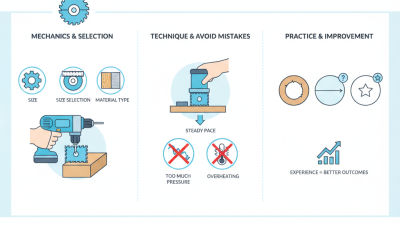
When using a saw hole cutter, understanding proper maintenance is crucial. Regularly inspect the cutting edge for signs of wear. A dull blade can lead to uneven cuts and increased pressure on the tool. It’s vital to replace blades when they start to show significant wear. This simple action can enhance performance and safety.
Cleaning the saw hole cutter after each use is essential. Dust and debris can accumulate, affecting its efficiency. Use a soft brush to remove any particles. Avoid using water, as it can lead to rust. Lubricating the tool periodically will also help maintain its mechanism. This step can prevent friction and prolong the lifespan of your equipment.
Working with this tool requires attention to detail. Be cautious of your grip and keep the work area clutter-free. Align the cutter accurately before starting to prevent binding. Mistakes can lead to wasted materials and time. Take a moment to ensure everything is in place. Regular reflection on your technique can lead to improvement and better results over time.