Top Wood Cutting Drill Bit Options for Your Projects?
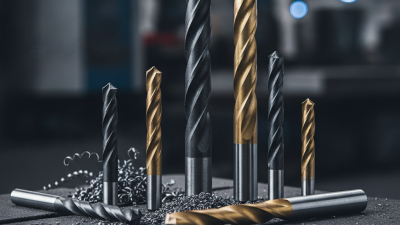
When embarking on woodworking projects, choosing the right tools is crucial. One essential tool is the Wood Cutting Drill Bit. These bits are designed specifically for drilling into various types of wood, ensuring clean cuts and less splintering. Selecting high-quality bits can significantly enhance your project’s outcome.
Wood Cutting Drill Bits come in different shapes and sizes. Each type serves a unique purpose, from creating precise holes to making larger openings. The effectiveness of these bits impacts not only your efficiency but also the finish of your work. Not all bits are created equal. Inexperienced users might find themselves frustrated by subpar performance.
Understanding the characteristics of drill bits can help you avoid mistakes. A poorly chosen Wood Cutting Drill Bit can lead to damaged materials or even injuries. Investing time in research pays off. High-quality bits are often worth the cost. They promise durability and reliability. This guide will explore top options, helping you make informed choices for your woodworking endeavors.
Types of Wood Cutting Drill Bits and Their Uses
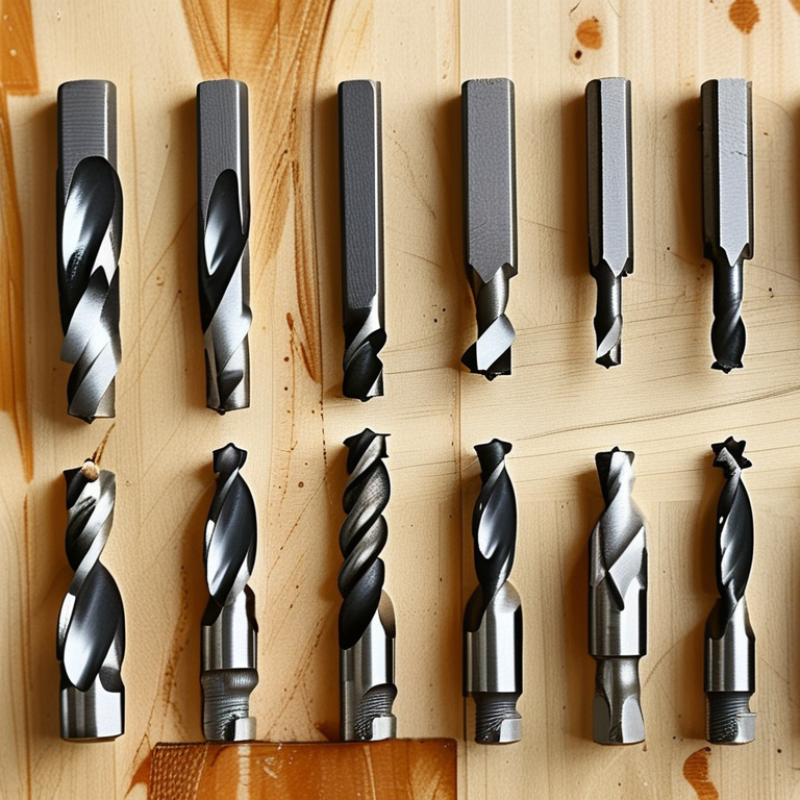
When selecting wood cutting drill bits, the type you choose plays a crucial role. Spade bits are common for drilling large holes quickly. They feature a flat blade design, ideal for softwoods and some hardwoods. Their simplicity makes them easy to use, especially for beginners. However, they might not be the best option for precision work.
For finer tasks, twist bits offer versatility. These bits excel at drilling smaller holes with accuracy. They feature a spiral design, reducing friction and heat during drilling. This design helps maintain the integrity of the wood, minimizing splintering. According to industry reports, using twist bits can lead to a 30% increase in efficiency for precision projects.
Auger bits are another popular choice, particularly for deep holes. Their helical design allows for effective wood removal. This makes them suitable for both soft and hardwoods. However, they can sometimes be challenging to handle, particularly in tightly spaced areas. Despite their effectiveness, users often report experiencing difficulty in maneuverability. Consider these aspects while choosing the right drill bit type for your next woodworking project.
Factors to Consider When Choosing Drill Bits for Wood
Choosing the right drill bits for woodworking projects involves several important factors. Start with the type of wood you'll be working with. Softwoods, like pine, require different bit characteristics than hardwoods, such as oak or maple. For example, softer woods generally allow for quicker drilling but may splinter more easily. This varies based on the density of the wood, which influences your bit selection.
Another factor to consider is the drill bit material. High-speed steel bits are common and great for beginners. They handle many types of wood effectively but may dull quickly. Carbide-tipped bits offer increased durability. They are excellent for tough hardwoods but might be overkill for simple projects. Pay attention to bit designs, like twist or spade shapes, which can impact the quality of your holes.
Lastly, don’t overlook the size of the drill bit. Ensure it matches the screw or dowel you plan to use. A bit that's too large can lead to loose joints. On the other hand, a bit that's too small may not give you the fit you need. Every project is a learning experience; reflect on past mistakes to help guide your choices. Finding the right drill bit can require some trial and error but will ultimately yield better results in your woodworking endeavors.
Top Wood Cutting Drill Bit Options for Your Projects
| Bit Type |
Material |
Diameter (inches) |
Cutting Depth (inches) |
Special Features |
| Spade Bit |
High-Speed Steel |
3/4 |
1 |
Wide cutting edges |
| Forstner Bit |
Carbide |
1 |
1.5 |
Creates flat-bottomed holes |
| Twist Bit |
High-Speed Steel |
1/4 |
2 |
Versatile for various materials |
| Hole Saw |
Bi-Metal |
2 |
3 |
Ideal for cutting larger holes |
| Countersink Bit |
Carbide |
3/8 |
0.5 |
Creates a conical hole for screws |
| Brad Point Bit |
High-Speed Steel |
1/2 |
1.25 |
Sharp point for accurate drilling |
Top Brands for Quality Wood Cutting Drill Bits
When it comes to wood cutting drill bits, quality matters. Not all bits are created equal. Studies show that higher-quality bits can outperform lower-tier options by up to 30% in precision and durability. Many professionals rely on leading brands that consistently deliver reliable performance in various woodworking projects.
Wood cutting bits must be crafted from durable materials. High-speed steel (HSS) and carbide-tipped variations are popular for their longevity. A report by a woodworking association highlights that bits made from these materials last significantly longer than standard steel options, sometimes lasting twice as long with proper use. It's essential to choose the right bit based on project requirements, whether you're drilling holes or creating intricate designs.
Understanding the bit design is crucial. For instance, spade bits are great for rough-cutting, while brad-point bits excel in clean finish work. Experimenting with different designs can lead to discovering the most effective tools for your specific needs. Keep an eye on the wear of your bits. Dull bits can cause damage to both the workpiece and the drill itself, resulting in more significant costs for repairs. Prioritize quality over quantity in your tool collection for successful projects.
Tips for Maintaining and Extending the Life of Drill Bits
Maintaining drill bits is essential for any woodworking project. Regular care can extend their lifespan significantly. Studies show that well-maintained drill bits can last up to four times longer than their neglected counterparts. Simple practices can make a big difference in performance.
Cleaning drill bits after use is crucial. Wood residue can create buildup, affecting cutting efficiency. A mixture of warm soapy water and a soft brush works well for cleaning. Moreover, storing drill bits in a dry, safe place prevents rust and damage. Proper storage can add years to their life.
Sharpening bits regularly is another key factor. Dull bits require more force to penetrate wood, leading to quick wear and tear. It is recommended to sharpen bits after every few uses or when they show signs of dullness. A good sharpening can restore them to peak performance, ensuring smooth, accurate cuts. Research indicates that consistent maintenance is not only economical but also enhances safety during use.
Common Mistakes to Avoid When Using Wood Cutting Drill Bits
Using wood cutting drill bits can enhance your projects, but many overlook crucial factors. A report from the Woodworking Institute indicates that improper usage leads to over 30% of drilling-related errors. These mistakes often stem from a lack of understanding of tool capabilities.
One common error is using the wrong bit type for specific wood. Every wood is different in density. Thus, drill bits should match the material’s hardness. A study revealed that mismatched bits could increase wear by 40%. Not monitoring drill speed can also lead to burn marks. Even expert users can overlook this, resulting in project setbacks.
Alignment issues often arise during drilling as well. A skewed entry can compromise bit performance. Some users may ignore this, thinking adjustments are unnecessary. In reality, proper alignment can improve cut precision significantly. Ensuring clear visibility and using stable work surfaces are vital practices. A well-lit workspace can reduce misalignment chances by 25%. It’s essential to reflect on these aspects to ensure better outcomes for your wood projects.