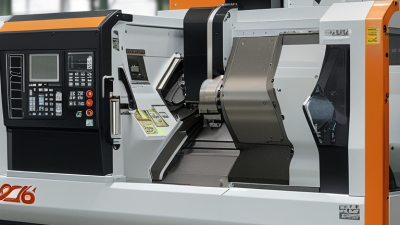
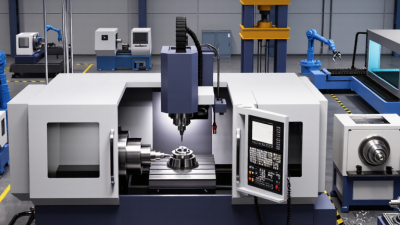
China Top Machine Tool Equipment Manufacturers?
China’s machine tool sector has moved far beyond low-cost production. Today, Chinese manufacturers supply CNC lathes, machining centers, grinding machines, and intelligent production systems worldwide. However, identifying the “top” companies requires more than checking sales rankings. Buyers should examine machining accuracy, spindle stability, automation capability, software integration, after-sales service, and long-term parts availability.
Professor Yusuf Altintas, a leading authority in machining science, has emphasized that “precision is achieved through the entire process, not claimed by a single machine.” That principle matters when comparing China’s Machine Tool Equipment manufacturers. A polished brochure cannot reveal thermal drift during an eight-hour shift. A factory visit can. Tool-change speed, chip removal, vibration control, and operator training often decide whether equipment performs reliably on the shop floor.
This guide introduces major Chinese manufacturers, including established builders and rapidly developing CNC specialists. It considers their product ranges, engineering experience, export reach, certifications, and suitability for automotive, aerospace, energy, mold, and general industrial applications. Some companies offer impressive automation but limited overseas support. Others provide dependable service yet lag in digital integration. These weaknesses deserve attention.
“Top” is not always the same as “best.”
Readers should compare test-cut results, positioning accuracy, installation records, and customer references before making a purchase. A machine that looks affordable may become expensive after installation delays, software problems, or unavailable replacement components. China’s Machine Tool Equipment industry is advancing quickly, but buyers still need evidence, careful questioning, and a willingness to challenge attractive claims.
China’s Machine Tool Manufacturing Industry: Scope and Development
China’s machine tool manufacturing industry covers metal-cutting, metal-forming, CNC systems, precision components, automation, and after-sales services. Its scope extends from compact turning centers to large machining lines for vehicles, energy equipment, and aerospace parts. According to Gardner Intelligence’s 2024 World Machine Tool Survey, China remained the world’s largest machine tool producer and consumer in 2023. Its estimated consumption reached about US$26 billion, showing the scale of domestic industrial demand.
The industry is moving toward higher accuracy and stronger digital integration. A modern workshop may connect CNC machines with sensors, production software, and automatic loading systems. This helps reduce idle time and records tool wear more clearly. The China Machine Tool Industry Association reported continued pressure on industry revenue and orders in 2023, despite steady demand for advanced equipment. That contrast matters. Large production volumes do not always mean high profitability or equal technical strength.
Development is also uneven across regions and product categories. Some manufacturers now provide five-axis machining, intelligent monitoring, and localized control components. Others still depend heavily on imported high-end parts. The International Federation of Robotics reported China’s factory robot installations exceeded 270,000 units in 2023. This supports automation demand, but machine tools need more than robots. They require stable accuracy, skilled engineers, reliable software, and long-term maintenance. Industry data can show market size, yet it cannot fully measure service quality on a factory floor. That remains a weakness worth examining.
Key Types of Machine Tools Produced by Chinese Manufacturers
China’s machine-tool manufacturers cover a broad technical range, from compact turning units to heavy five-axis systems. CNC turning centers shape shafts, threads, and flanges with repeatable tool paths. Vertical and horizontal machining centers handle milling, drilling, and tapping in one setup. This reduces fixture changes on busy factory floors. Gardner Intelligence’s 2024 World Machine Tool Survey identified China as the world’s largest machine-tool producer and consumer in 2023, representing roughly one-third of global consumption.
Other important categories serve more specialized work. Grinding machines finish hardened surfaces where microns matter. Press brakes, stamping presses, and laser-cutting machines process sheet metal for vehicles, cabinets, and industrial frames. Wire and die-sinking EDM systems cut complex conductive parts without conventional cutting pressure. Some manufacturers also produce gear machines, saws, and metal additive equipment. The range is wide.
Scale is impressive, but volume does not prove accuracy.
CMTBA industry statistics show China’s machine-tool sector continues moving toward CNC and high-value equipment, yet users should inspect thermal stability, spindle testing, software compatibility, and after-sales response. A machine may look efficient on a brochure. Production floors are less forgiving. Reports from Gardner and CMTBA provide useful market direction, but they cannot replace sample machining, dimensional inspection, and lifecycle-cost checks. That practical gap deserves more attention.
Leading China-Based Machine Tool Equipment Manufacturers
China-based machine tool equipment manufacturers now serve a broad industrial base, from automotive plants to aerospace workshops. Gardner Intelligence’s 2023 World Machine Tool Survey estimated China’s machine tool consumption at approximately US$30 billion. This scale supports strong supplier networks, faster component access, and varied production capabilities.
In practical factory evaluations, buyers should examine more than catalogue specifications. A reliable manufacturer should provide spindle accuracy records, repeatability data, machining samples, and clear maintenance procedures. China Machine Tool Industry Association reports have highlighted steady investment in digitalization and high-end equipment, although development remains uneven across suppliers. That matters. Some factories offer advanced five-axis machining, while others still depend heavily on manual inspection.
A responsible sourcing process should include video acceptance tests, material traceability, and verified delivery records. ISO 230 testing standards can help assess positioning accuracy and thermal behavior. Energy use also deserves attention, especially for continuous production. The International Energy Agency identifies industrial efficiency as a major cost-control priority, and modern machine tools can reduce idle consumption through smarter control systems.
Still, marketing claims may exceed real performance. Independent inspection is worth the expense. A supplier’s export history, engineering response time, and spare-parts availability often reveal more than polished brochures. The leading China-based manufacturers are not identical, and the best choice depends on tolerance requirements, production volume, software compatibility, and after-sales support.
Core Technologies and Manufacturing Capabilities
China Top Machine Tool Equipment Manufacturers?
China’s leading machine tool manufacturers compete through core engineering, not only production volume. Their capabilities often include CNC control integration, precision guideways, high-speed spindles, and automated tool changing systems. These technologies support milling, turning, grinding, and complex multi-axis machining. Accuracy depends on the entire machine structure. A strong spindle cannot compensate for poor thermal stability.
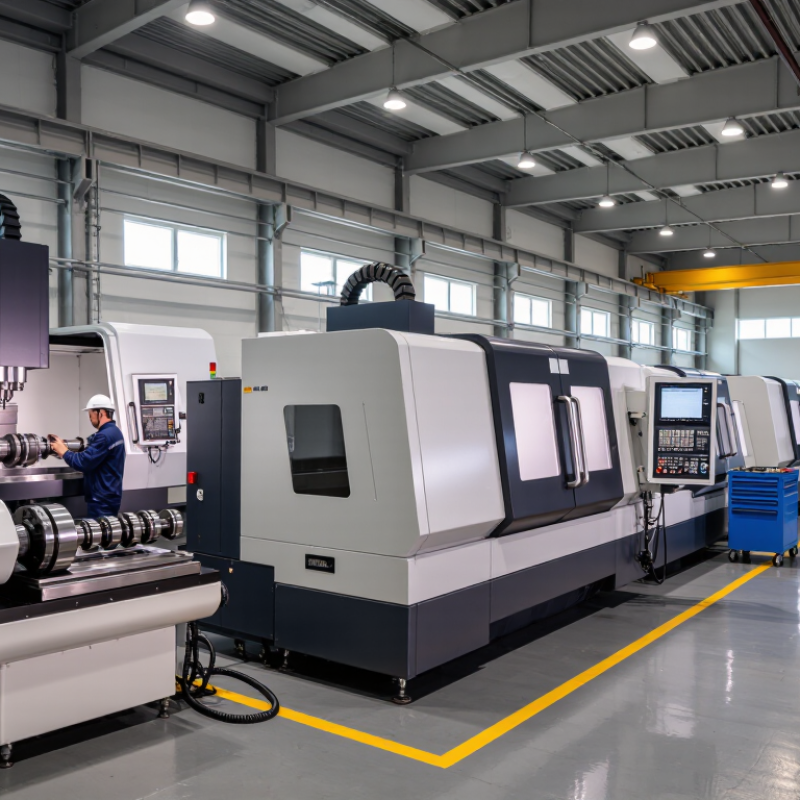
Manufacturing capability becomes clearer on the factory floor. Skilled engineers inspect castings for internal defects before assembly. Technicians align guide rails with laser measurement equipment. Calibration records should connect each machine to a traceable standard. In serious facilities, temperature-controlled workshops reduce expansion during precision assembly. Test cuts then reveal vibration, surface-finish problems, and positioning errors. These details matter.
Quality evidence needs careful checking. Certifications can support credibility, but they cannot replace factory audits or sample testing. Buyers should review repeatability data, component origins, software support, and maintenance response times. I have found that published specifications sometimes describe ideal conditions rather than daily performance. That deserves reflection. No factory is flawless. A realistic evaluation should include rejected parts, repair procedures, and operator training. Long-term reliability often comes from disciplined processes, stable suppliers, and honest technical communication. Manufacturers with these strengths are better prepared for demanding aerospace, automotive, energy, and general industrial applications.
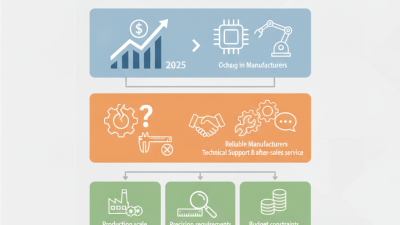
How to Evaluate China’s Machine Tool Suppliers
How to Evaluate China’s Machine Tool Suppliers
Choosing a Chinese machine tool supplier requires more than comparing prices. I begin by checking factory records, production capacity, and engineering experience. A polished showroom can mislead. Ask for recent machine photos, test videos, and customer references from similar industries.
Technical evidence matters most. Request spindle runout data, positioning accuracy reports, and calibration certificates. Review the machine’s casting quality, guideway design, control system, and component sources. If possible, send a sample part for trial machining. Measure its surface finish, dimensional stability, and cycle time. Small errors often become expensive during continuous production.
Inspect the supplier’s quality process in person or through an independent auditor. Look for traceable inspections, documented assembly steps, and final testing under load. Ask how engineers handle software faults, vibration, or delayed replacement parts. Response time should be written into the contract. Do not accept vague promises.
After-sales support deserves equal attention. Confirm installation training, spare parts availability, remote diagnostics, and technician coverage in your region. I once underestimated communication delays; a simple adjustment then took several days. That mistake changed my evaluation method. Now I test response speed before placing an order. A supplier may offer excellent accuracy, but inconsistent documentation can still create operational risk. Reliability is proven through repeatable evidence, not confident sales language.