2026 Best Machine Tool Options for Global Buyers?
In the competitive landscape of manufacturing, selecting the right machine tool is crucial for success. As global buyers navigate through countless options, understanding the best machine tools of 2026 becomes vital. Quality machine tools can enhance productivity, precision, and efficiency, making them indispensable in various industries.
The diversity of machine tools caters to different manufacturing needs. From CNC machines to lathes and milling equipment, each tool serves a unique purpose. Buyers must weigh factors such as cost-effectiveness, reliability, and technological advancements. A wise decision will depend on both current and future production demands.
However, not every machine tool will suit every operation. Some tools may offer advanced features but lack user-friendliness. Others may be budget-friendly but sacrifice quality. Users should reflect on their specific requirements before making a choice. Investing in the right machine tool is fundamental, yet it should not come at the expense of practical usability.
2026 Global Machine Tool Market Overview and Trends
The global machine tool market is poised for significant growth in 2026.
Advances in automation and smart technologies are transforming production processes.
Buyers are increasingly interested in tools that integrate artificial intelligence and data analytics.
This shift enhances efficiency and reduces downtime.
Emerging trends highlight sustainability and energy efficiency.
Manufacturers are exploring ways to minimize waste and reduce carbon footprints.
There is a notable demand for machines that support eco-friendly practices.
This trend reflects a broader industry commitment to environmental responsibility, which is increasingly important among consumers.
Global buyers must navigate diverse options in this dynamic market.
Choosing the right machine tool involves considering production needs and technological advancements.
However, the rapid pace of innovation can be overwhelming.
Buyers should prioritize establishing strong relationships with suppliers.
This collaboration can lead to better insights and improved decision-making.
Key Factors Influencing Machine Tool Selection for Buyers
When selecting machine tools, buyers face several critical factors. Understanding these factors is essential for making informed choices. One of the most influential aspects is the intended application. Different manufacturing processes demand specific tool capabilities. This can include precision, durability, and material compatibility.
Cost considerations play a significant role as well. While some buyers may prioritize initial purchase price, long-term operational costs can outweigh these short-term savings. Maintenance, energy consumption, and tooling costs should also be evaluated. A more expensive machine could save money in the long run.
Buyers often overlook the importance of support and training. Having access to reliable customer service and training resources can significantly enhance productivity. Investing in machine tools with excellent support can lead to smoother operations. These factors are critical yet frequently ignored, leading to potential regrets in the future.
2026 Best Machine Tool Options for Global Buyers
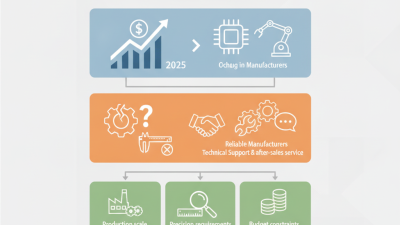
This chart illustrates the key factors influencing machine tool selection for buyers in 2026, including price, precision, versatility, and customer service support.
Top Machine Tool Brands: Performance Metrics and Reliability
When exploring the best machine tool options for 2026, performance metrics and reliability become crucial factors. Buyers often seek precise machining capabilities, durability, and efficiency. Many tools currently on the market promise high-speed operation and exceptional precision. However, how do they truly perform under pressure?
Reliability is not just a buzzword. It can directly impact production schedules and costs. Frequent breakdowns can lead to significant downtime. Buying decisions should consider maintenance history and user reviews. Some tools may have strong features but fail in real-world scenarios. Buyers should reflect on their unique needs and past experiences.
It's also essential to evaluate service support. A great machine often comes with effective after-sales service. Yet, in some cases, manufacturers fall short. This discrepancy can lead to frustration. Understanding user feedback on support can offer insightful guidance. Choosing the right machine tool is not a simple task. It requires thorough research and reflection on personal requirements for optimal performance.
2026 Best Machine Tool Options for Global Buyers
| Machine Tool Type |
Precision (μm) |
Speed (RPM) |
Reliability Rating (0-10) |
Warranty (Years) |
| CNC Milling Machine |
5 |
12000 |
9 |
3 |
| Laser Cutting Machine |
3 |
10000 |
8 |
2 |
| EDM Machine |
2 |
1500 |
7 |
5 |
| Lathe Machine |
8 |
4000 |
8 |
4 |
| 3D Printing Machine |
20 |
300 |
9 |
2 |
Emerging Technologies in Machine Tools: Automation and AI Integration
Emerging technologies in machine tools are reshaping the industry. Automation is becoming a crucial element for improving efficiency. With robotic arms and automated systems, tasks that once required extensive labor can now be performed faster and more accurately. Manufacturers can reallocate human resources to higher-value activities. However, reliance on automation introduces challenges that need careful consideration.
AI integration in machine tools is a game changer. Machine learning algorithms can analyze vast amounts of data to optimize production processes. This technology can predict failures before they happen, drastically reducing downtime. Yet, AI systems require substantial data to function effectively. Data security becomes a critical concern. Not all companies are ready to invest in robust cybersecurity measures.
Moreover, the transition to AI and automation is not always seamless. Workforce training is essential. Many workers may feel threatened by these technologies. Their anxiety can lead to resistance, hindering progress. Addressing these human factors is vital for successful implementation. As companies adopt these new technologies, balancing innovation with workforce adaptation will be key.
Cost-Benefit Analysis of Machine Tool Investments for Manufacturing
Investing in machine tools is critical for manufacturing success. A thoughtful cost-benefit analysis can guide buyers toward better decisions.
Manufacturers must consider upfront costs, maintenance, and the potential return on investment. Pricing varies widely across technologies.
More advanced machines often come with higher initial costs. Yet, they can enhance productivity significantly.
When assessing options, reliability is paramount. Machines that break down frequently add hidden costs. Maintenance can drain resources and time.
Alternate choices may require a steeper learning curve. It's crucial to weigh these factors during the selection process. An informed choice can
lead to long-term benefits, while poor decisions can prove detrimental.
The evolving market presents both challenges and opportunities. Emerging technologies can offer significant advantages. However, they may also
demand a higher initial investment. Manufacturers should be cautious of trends that promise instant returns. Careful analysis can mitigate risk.
It's essential to balance innovation with practicality when choosing machine tools. A measured approach will yield more reliable outcomes
in the long run.