Top 10 Types of Saw Discs for Global Buyers
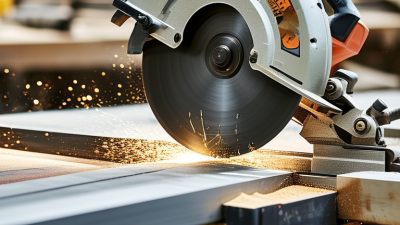
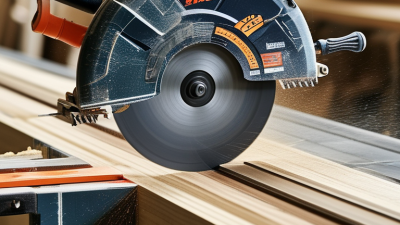
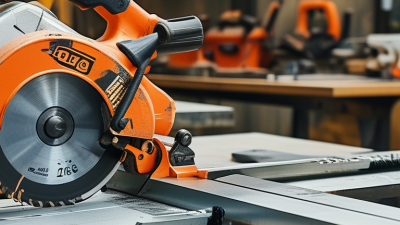
Choosing among the Top 10 Types of Saw Discs requires more than comparing prices or tooth counts. Global buyers must match each disc with the material, machine, cutting speed, and production target. A disc designed for hardwood may perform poorly on aluminum, masonry, or laminated panels. Small details matter. Tooth geometry, kerf width, arbor size, carbide grade, and cooling conditions can change the result.
Dr. Steven R. Schmid, a manufacturing engineering educator and cutting-tool specialist, emphasizes, “Tool selection must match the material, machine, and process—not the catalog photograph.” This principle guides the discussion of Saw Discs for professional buyers, distributors, and industrial users. Each type offers a different balance of speed, surface quality, durability, and operating cost. Some discs create clean edges but remove material slowly. Others cut aggressively and leave more finishing work.
Real workshops rarely match catalog conditions. Machines vibrate. Materials vary. Operators make compromises. That is why this guide examines practical performance, not only technical labels. It considers circular saw discs, diamond discs, abrasive discs, carbide-tipped discs, and specialized options for wood, metal, stone, and composite materials. The comparison is useful, but not perfect. A disc that works well in one factory may disappoint in another. Buyers should verify compatibility, inspect safety markings, and test samples before large orders. The right choice begins with evidence.

Saw Disc Basics: Structure, Materials, and Cutting Principles
Top 10 Types of Saw Discs for Global Buyers
Saw Disc Basics: Structure, Materials, and Cutting Principles
A saw disc is not merely a round cutting plate. Its body, teeth, gullets, and mounting bore work as one system. The steel core provides strength and keeps the disc stable during rotation. The bore must match the machine spindle precisely. Even a small mismatch can create vibration, noise, and uneven cuts. That detail is often underestimated.
Disc materials influence both service life and cutting behavior. Hardened steel bodies suit many general applications. Carbide-tipped teeth usually maintain sharp edges longer on wood, panels, and selected composite materials. Abrasive discs use mineral grains to remove material through friction. Tooth shape also matters. Flat teeth remove material quickly, while alternating bevel teeth can produce cleaner edges. These differences affect several of the ten common disc types.
Cutting depends on speed, feed pressure, tooth count, and material hardness. A high tooth count may improve surface quality, but it can reduce chip space. A low tooth count often cuts faster and produces larger chips. I have seen operators blame the disc when excessive feed pressure caused burning. The disc was not entirely at fault. Still, product guidance can be unclear, so buyers should verify diameter, kerf width, bore size, tooth geometry, and recommended machine speed before ordering. Real cutting tests remain valuable, because workshop conditions rarely match a catalogue perfectly.
Ten Major Saw Disc Types and Their Typical Applications
Top 10 Types of Saw Discs for Global Buyers
Saw disc selection depends on the material, cut quality, and machine speed.
Ripping discs use fewer teeth and remove wood quickly along the grain.
Crosscut discs have more teeth for cleaner cuts across boards.
Combination discs balance both tasks on general woodworking projects.
Fine-tooth discs suit plywood, laminates, and trim where splintering is a concern.
Hollow-ground discs create smooth cuts in plastic sheets and some nonferrous materials.
Carbide-tipped discs support long production runs in solid wood and engineered panels.
Diamond discs handle masonry, concrete, tile, and other mineral-based materials.
Abrasive discs cut steel, stainless steel, and hard alloys, but they generate heat and sparks.
Thin-kerf discs remove less material, helping smaller saws work with reduced power.
Dado discs produce wide grooves for shelving, joints, and cabinet parts.
In purchasing work, I check the arbor size, maximum revolutions, tooth geometry, and material compatibility before comparing prices.
A disc that fits physically may still be unsafe at the wrong speed.
Dust extraction matters, especially with composite boards and masonry. Operators should use guards, eye protection, and suitable hearing protection.
A neat chart cannot replace a test cut. The “best” disc can still fail when feed pressure, moisture, or machine alignment changes. That detail is easy to overlook.
How Tooth Design, Diameter, and Kerf Affect Cutting Performance
Choosing among the top ten saw disc types starts with tooth geometry, not appearance. Ripping discs use fewer teeth and deeper gullets, clearing long wood chips quickly. Crosscut and fine-finish discs use more teeth, producing cleaner edges but demanding slower feed rates. A carbide-tipped disc with 24 teeth may suit rough timber, while 80 teeth can reduce splintering on laminated panels. The choice is not universal.
Diameter controls cutting depth, rim speed, and machine compatibility. A 305 mm disc usually cuts deeper than a 216 mm disc, but its greater mass can increase starting load. The European Commission’s 2023 machinery safety guidance stresses matching tool dimensions and rated speed to the machine. That point is often overlooked. An oversized disc can create unstable cutting behavior, even when its arbor fits.
Kerf decides how much material becomes waste and heat. A 3.2 mm kerf removes 60% more material than a 2.0 mm kerf over the same cutting distance. Thin-kerf discs reduce waste and motor demand, making them useful for portable saws and softwood production. However, they may deflect more easily in dense hardwood or metal. Reports from the U.S. Forest Service on wood-processing efficiency consistently link chip control, feed rate, and blade sharpness with energy use. Still, published figures rarely reflect every workshop. Dust, moisture, operator pressure, and a slightly misaligned fence can change the result. Test cuts remain necessary.
Top 10 Types of Saw Discs for Global Buyers
How tooth design, diameter, and kerf affect cutting performance
The chart compares representative kerf values for ten commonly traded saw-disc types.
Thinner kerfs generally reduce material waste and cutting resistance, while thicker kerfs
can improve rigidity and durability in demanding applications. Tooth count and tooth design
influence the balance between cutting speed, surface finish, and chip clearance. The listed
diameters, tooth counts, and kerfs are representative midpoints from common international
product specifications; actual values vary by tool, material, and manufacturer.
Global Buyer Guide: Standards, Compatibility, and Purchasing Factors
Top 10 Types of Saw Discs for Global Buyers
Global buyers should match the disc to the material, machine, and local standard.
Common options include carbide-tipped, thin-kerf, dado, masonry, abrasive cut-off, metal-cutting, segmented diamond, continuous-rim diamond, turbo diamond, and general-purpose circular discs. Each design creates different heat, dust, vibration, and cutting speed.
Standards matter more than attractive packaging.
EN 847-1 covers safety requirements for woodworking tools, while EN 13236 applies to superabrasive products. ANSI B7.1 provides guidance for abrasive wheel use, mounting, and guarding. ISO 12100 supports machinery risk assessment. These standards are not interchangeable. Check the exact marking, test documentation, and importer requirements. The 2024 Fortune Business Insights power tools report valued the global market at about USD 36.1 billion in 2023, showing strong demand but also intense product variation.
Compatibility checks should include arbor diameter, maximum RPM, disc thickness, kerf width, tooth count, cutting depth, flange design, and wet or dry operation.
A disc rated below the machine’s speed is unsafe. Dust extraction may also affect performance. For abrasive discs, inspect expiration dates and storage conditions. For diamond discs, compare segment height and bonding type, not only price. A cheaper disc can cost more through slow cuts and rework. Perfect purchasing decisions are rare. Buyers should request batch traceability, inspection records, and samples before larger orders. Small differences in local standards can still cause expensive delays.